


An OWI charge (Operating While Intoxicated) is a serious offense that occurs when someone operates a motor vehicle while impaired by alcohol, drugs, or both. This impairment can significantly affect a person’s ability to drive safely, posing a risk to themselves and others on the road. If you’re wondering, what is an OWI charge, it’s important to note that it differs from other similar terms like DUI (Driving Under the Influence) and DWI (Driving While Intoxicated). Each state has its own laws and penalties regarding OWI charges, which can vary based on factors like blood alcohol concentration (BAC) levels or the presence of other substances.
Understanding what an OWI charge involves and the penalties that may follow is essential for anyone facing these charges. Being informed can help individuals navigate the legal process and take the necessary steps, whether through legal representation or other methods.
What Is an OWI Charge?
OWI stands for Operating While Intoxicated. It refers to a situation where an individual is in control or operating a vehicle while under the influence of alcohol, drugs, or a combination of both. Though this term is most commonly used in Michigan, Iowa, Indiana, Wisconsin, and some other states, it is often interchangeable with DUI (Driving Under the Influence) or DWI (Driving While Intoxicated) in other parts of the United States.
OWI and Other Terms
While OWI, DUI, and DWI are often used interchangeably, each term has legal nuances that differ by state. While DUI and DWI are terms typically used for driving offenses, OWI expands this definition by emphasizing control over the vehicle, not necessarily driving it. This can include sitting in the driver’s seat with the keys in the ignition or having control over the vehicle while it’s stationary.
Legal Differences Between OWI, DUI, and DWI
Though the terms are used interchangeably, they do have slightly different legal interpretations, especially when it comes to penalties and testing procedures. Here’s how the terms compare:
| Term | Definition | States of Usage |
|---|---|---|
| OWI | Operating While Intoxicated | Used in Michigan, Iowa, Wisconsin, Indiana |
| DUI | Driving Under the Influence | Nationwide, most common term |
| DWI | Driving While Intoxicated | Used in some states; similar to DUI |
The key difference lies in the term “operating.” For example, in Michigan and some other states, if a person is found behind the wheel with keys in the ignition or is in a position to operate the vehicle, they can be charged with an OWI, even if the vehicle is parked or not moving.
How Are OWI Charges Determined?
An OWI charge requires proof of two critical elements:
1. Operation of a Vehicle – This includes driving, controlling, or being in the driver’s seat, whether the vehicle is moving or not.
2. Intoxication or Impairment – This can be proven through a blood alcohol concentration (BAC) test, urine test, or field sobriety tests to show impairment by drugs or alcohol. In most cases, a BAC over 0.08% (for adults) constitutes intoxication.
BAC Testing and What It Means
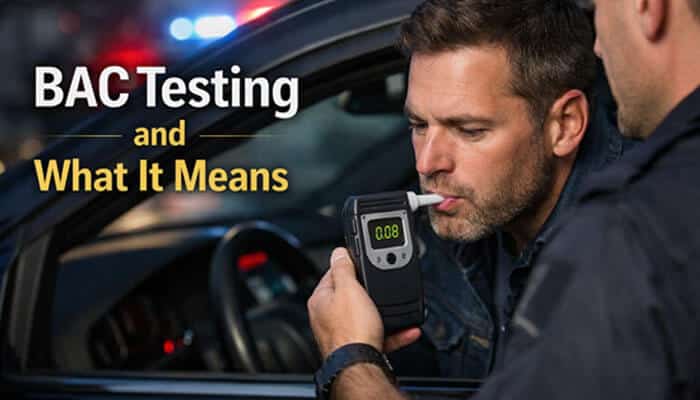
BAC testing is a critical component of OWI cases. The breathalyzer is one of the most common methods, but blood and urine tests are also often used. The 0.08% threshold is the legal limit for alcohol in most states, but impairment can occur at lower levels for some individuals, especially if drugs are involved. A person with 0.05% BAC might still be impaired, leading to an OWI charge if their ability to drive is compromised.
Additionally, field sobriety tests (FSTs) may be conducted during a traffic stop. These tests are subjective, as the officer evaluates whether the driver shows signs of lack of coordination and mental impairment. It’s important to understand that refusing a field sobriety test or a breathalyzer test may lead to additional penalties, such as license suspension or more severe charges.
State-Specific OWI Penalties and Laws
The penalties for OWI can differ significantly depending on the state in which the offense occurs. Below, we compare the OWI laws and penalties in Michigan, Wisconsin, and Iowa, which all use OWI as the primary term for impaired driving charges.
Michigan OWI Penalties and Laws
In Michigan, an OWI charge is not taken lightly. First-time offenders may face:
- Fines ranging from $100 to $500
- Driver’s license suspension for up to 6 months
- Jail time of up to 93 days
- Alcohol education programs
For second offenders, the penalties become more severe. These can include:
- Fines of up to $1,000
- One-year license suspension
- Jail time of up to one year or more
- Mandatory alcohol treatment programs
In cases of aggravating factors, such as a BAC over 0.17%, the penalties can increase. Individuals with such a high BAC face:
- Minimum 45 days of community service
- Higher fines
- Longer jail sentences
Wisconsin OWI Penalties and Laws
In Wisconsin, even a first-time OWI offense can carry significant penalties, although it’s typically classified as a civil violation rather than a criminal one. The penalties for a first offense include:
- Fines of up to $300
- License suspension for up to 6 months
- Alcohol assessment and education
However, second offenses can lead to:
- Criminal penalties
- Jail time (up to 6 months)
- Additional fines and license suspensions
Repeated offenses or accidents resulting in injury or death lead to felony charges with more severe penalties.
Iowa OWI Penalties and Laws
Iowa has strict OWI laws, with third offenses resulting in felony charges. Here’s how penalties are structured in Iowa:
- First offense: Fines, license revocation (up to 1 year), mandatory alcohol treatment, and probation.
- Second offense: License suspension for up to 2 years, fines of up to $5,000, and mandatory treatment programs.
- Third offense: Classified as a felony with possible jail time, extensive fines, and lifetime license revocation.
Each state has specific procedures for license reinstatement and the potential for alternative sentencing like community service or electronic monitoring.
Can an OWI Conviction Be Expunged?
Many individuals wonder whether they can have their OWI record expunged after a certain period. In some states, expungement is possible under specific circumstances, particularly for first-time offenders who have completed certain requirements.
How Expungement Works:
- Eligibility: Expungement is typically available after a waiting period (e.g., 5-10 years after the offense) and if the person has no subsequent criminal offenses.
- Process: The individual must file a petition for expungement with the court, and the court will evaluate the request based on various factors, such as the nature of the offense and the person’s rehabilitation efforts.
For many, consulting with a criminal defense attorney is crucial to understanding the eligibility and procedures for record sealing or expungement.
Prescription Drugs and OWI Charges
It’s important to clarify that driving under the influence of prescription medications (even if legally prescribed) can still lead to an OWI charge. Certain prescription drugs, such as opioids,
benzodiazepines and muscle relaxants can impair a person’s ability to operate a vehicle safely.
Common Prescription Drugs That May Lead to OWI:
- Opioids (e.g., oxycodone, hydrocodone)
- Benzodiazepines (e.g., Xanax, Ativan)
- Antidepressants
- Muscle relaxants
If an individual is found driving under the influence of these medications and is impaired, they can be arrested and charged with an OWI.
OWI Charges and Commercial Drivers (CDL)

Commercial drivers (with a Commercial Driver’s License or CDL) face stricter regulations when charged with OWI. A commercial driver who is arrested for OWI can face disqualification of their CDL, job loss, and even more severe penalties compared to non-commercial drivers.
Consequences for CDL Holders:
- First Offense: A commercial driver may be disqualified for at least one year for an OWI.
- Second Offense: A second OWI offense can lead to permanent disqualification from holding a CDL.
- Felony Charges: If the OWI charge involves a serious accident or injury, commercial drivers may face felony charges, further complicating their ability to work in the industry.
How Much Will an OWI Cost You?
The financial burden of an OWI conviction can be significant. Here is a breakdown of potential costs involved:
- Fines: Fines can range from $100 to $2,000, depending on the state and number of offenses.
- Court Costs: In addition to fines, there are often court fees that can range from $200 to $500.
- Alcohol Education Programs: Required programs can cost between $100 and $500.
- Insurance: Car insurance premiums can increase by 20%-50% after an OWI conviction, and drivers may be required to carry SR-22 insurance (high-risk insurance) at an additional cost.
Sobriety Checkpoints and OWI Arrests
Sobriety checkpoints are commonly used by law enforcement to detect impaired drivers. These checkpoints allow police to stop drivers without any suspicion of wrongdoing, testing them for signs of impairment.
Legality of Sobriety Checkpoints:
Sobriety checkpoints are legal in many states, though some states (e.g., Michigan) do not allow them. Checkpoints are a proactive way to deter impaired driving, but they must adhere to strict guidelines to avoid violating constitutional rights.
Are There Alternatives to Jail Time for OWI Offenders?
In certain cases, alternative sentencing can be an option for OWI offenders, particularly first- time offenders or those willing to participate in rehabilitation programs.
Common Alternatives:
- Community Service: Offenders may be allowed to serve their sentence by performing community service.
- House Arrest: In some cases, individuals may serve their sentence under house arrest with electronic monitoring.
- Work Release: Certain programs allow offenders to work during the day but return to jail or a halfway house at night.
Travel and Immigration Implications of OWI Charges
An OWI conviction can have serious consequences for international travel. For example, countries like Canada have strict regulations that prevent individuals with impaired driving convictions from entering.
Impact on Immigration:
- U.S. Citizens: Although OWI convictions typically do not affect U.S. immigration status, a conviction could impact travel to certain countries.
- Foreign Nationals: For immigrants or non-citizens, an OWI charge could lead to visa issues or even deportation, particularly if it results in a felony conviction.
What Is an Ignition Interlock Device and When Will You Need It?
An ignition interlock device (IID) is a breathalyzer that is installed in a vehicle to prevent it from starting unless the driver blows into it and has a BAC below 0.02%.
When Is It Required?
- Court-Ordered: IIDs are typically mandated for individuals who have multiple OWI convictions or a high BAC during the offense.
- Cost: The cost of installing and maintaining an IID can range from $70 to $150 per month.
Conclusion: The Importance of Understanding OWI Charges
An OWI charge is a serious offense that can lead to significant penalties and long-lasting consequences. Understanding what an OWI charge entails, its legal implications, and the potential penalties can help individuals make informed decisions to avoid such offenses. Knowledge of the law is crucial to navigating the complexities of an OWI charge.
If you’re facing an OWI charge, it’s essential to seek legal counsel. A skilled attorney can help protect your rights and provide guidance on how to mitigate the potential impact on your life. Taking the right steps early can make a significant difference in the outcome of your case.
What Is an OWI Charge? FAQs
1. What Is an OWI Charge?
A: An OWI charge stands for Operating While Intoxicated. It involves operating a vehicle while impaired by alcohol, drugs, or both. While similar to DUI and DWI, OWI is used in certain states with its own specific laws and penalties.
2. Can I be charged with OWI if I’m not driving the car?
Yes, in many states, you can still be charged with OWI if you’re in control of the vehicle, even if it is parked, provided that you are able to start the vehicle or have keys in the ignition.
3. How long does an OWI stay on my record?
A: OWI convictions generally stay on your record for 5 to 10 years, depending on state law, and in some states, it may be permanent.
4. How much does an OWI conviction cost me?
A: Beyond fines, OWI convictions can lead to increased insurance premiums, court costs, and mandatory alcohol treatment programs, which can significantly affect your finances.
5. Can I expunge my OWI record?
In some states, expungement is possible after a waiting period (typically 5 to 10 years) and if the individual has no subsequent offenses. Consulting a criminal defense attorney can help you understand eligibility.
6. How do sobriety checkpoints work for OWI arrests?
Sobriety checkpoints are legal in many states and allow law enforcement to stop drivers without suspicion. They are designed to deter impaired driving and can result in OWI arrests if impairment is detected.
