

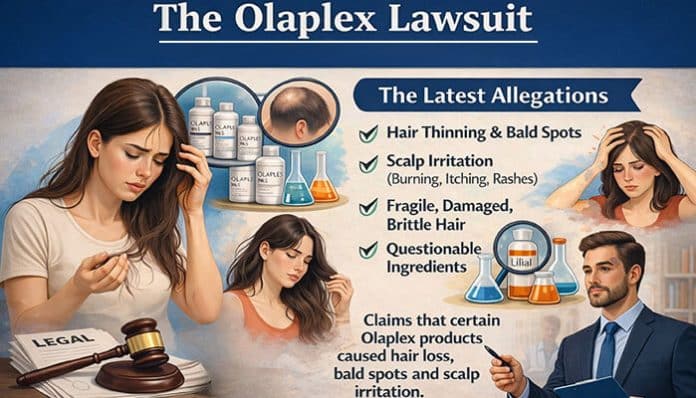

The Olaplex lawsuit has become a major topic in both the beauty industry and legal circles. Olaplex, known for its hair care products that promise to repair damaged hair, is now under fire after numerous consumers filed a lawsuit alleging that these products caused severe hair loss, bald spots, and scalp irritation.
This article provides an overview of the Olaplex lawsuit, detailing the allegations, the company’s defense, and the potential impact on consumers.
What Is the Olaplex Lawsuit About?
The Olaplex lawsuit primarily revolves around allegations made by consumers claiming that the brand’s products caused harmful side effects, such as:
- Hair thinning
- Bald spots
- Scalp irritation, including redness, burning, and itching
- Damaged hair that worsened with use
The plaintiffs assert that Olaplex failed to warn customers about the potential risks associated with their products, which led to these adverse reactions. In addition, the lawsuit alleges that the company misrepresented the safety and efficacy of its products, particularly those marketed to help repair chemically damaged hair.
The Allegations: Olaplex Products Causing Hair Loss
-
Hair loss and bald spots: Consumers claim that certain Olaplex products caused hair loss and bald spots after several weeks of use.
-
Hair damage: Users reported their hair becoming fragile, thinning, and prone to breakage after using the products.
-
Scalp irritation: Some consumers experienced severe irritation, including burning sensations and rashes on the scalp.
-
Product claims vs. user experience: Despite being marketed as safe for all hair types and effective at repairing damaged hair, some users experienced further damage to their hair and scalp.
-
Ingredient concerns: The lawsuit raises concerns about the ingredients used in Olaplex’s formulations and their potential role in causing these reactions.
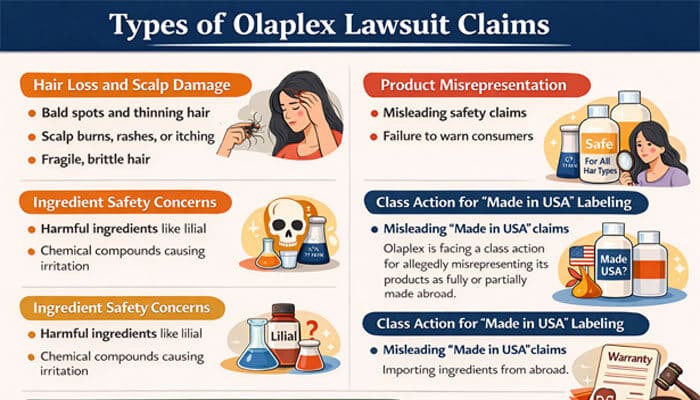
Types of Olaplex lawsuit Claims
The Olaplex lawsuit includes several key claims:
1. Hair Loss and Scalp Damage
-
Bald spots and thinning hair: Consumers allege that after using Olaplex products, they noticed hair thinning and bald patches, which were previously not present.
-
Scalp burns, rashes, or itching: Some plaintiffs reported experiencing painful scalp burns, redness, rashes, or persistent itching after using the products.
-
Fragile, brittle hair: Several consumers claim their hair became fragile, brittle, and prone to breakage, which led to significant hair loss over time.
2. Product Misrepresentation
-
Safety for all hair types: Plaintiffs argue that Olaplex marketed its products as being safe for all hair types without properly warning consumers about potential side effects like scalp irritation and hair thinning.
-
Effectiveness for damaged hair: The lawsuit alleges that Olaplex misrepresented the effectiveness of its products in repairing damaged hair, claiming that it was a solution for hair recovery, when in reality, some consumers reported worsening hair conditions.
-
Failure to warn consumers: Olaplex’s alleged failure to disclose possible risks constitutes negligence and false advertising, according to the plaintiffs.
3. Ingredient Safety Concerns
-
Harmful ingredients: The lawsuit claims that Olaplex contains ingredients like lilial, a synthetic fragrance, which has been linked to allergic reactions and irritation in some consumers.
-
Chemical compounds: Plaintiffs believe certain chemical compounds in Olaplex products could have contributed to adverse reactions, particularly scalp irritation and hair loss.
-
Lack of proper warnings: The lawsuit argues that Olaplex failed to properly warn consumers about the potential risks associated with these ingredients and the effects they could have on users.
4. Class Action for “Made in USA” Labeling
-
Misleading “Made in USA” claims: Olaplex is also facing a class action for allegedly misrepresenting its products as “Made in the USA” when they were partially or fully manufactured abroad.
-
Sourcing ingredients internationally: The class action claims that some Olaplex ingredients were sourced from outside the U.S., contrary to the brand’s claims of U.S. manufacturing.
-
Misleading marketing: Consumers argue that these misleading marketing practices caused them to believe they were purchasing a premium, locally sourced product.
5. Breach of Warranty and Consumer Protection Claims
-
Breach of warranty: The lawsuit claims that Olaplex violated warranty terms by selling products that did not meet the advertised claims of being safe and effective.
-
False claims and misrepresentation: Plaintiffs argue that Olaplex misrepresented the quality and safety of its products, breaching the warranty it provided to consumers.
-
Seeking compensation: Plaintiffs are seeking compensation for the damage caused by the products, which includes covering financial losses and medical expenses due to the adverse reactions.
How To Join an Olaplex Lawsuit
Here are the key points on how to join an Olaplex lawsuit:
-
Document Your Experience: Keep detailed records of your use of Olaplex products, including dates of use, specific products used, and any adverse effects such as hair thinning, bald spots, or scalp irritation. Photos and medical documentation can be valuable.
-
Consult a Dermatologist: It’s important to consult a medical professional to confirm whether your symptoms are linked to Olaplex products or caused by another condition.
-
Find Legal Representation: Seek legal advice from a lawyer specializing in consumer protection or product liability. Many law firms offer free consultations to assess your case.
-
Join the Class Action: If eligible, you can join the class action lawsuit. This allows individuals with similar claims to consolidate their cases, potentially making the legal process more efficient. Your attorney will help determine if you qualify for inclusion.
Olaplex “Made in USA” Class Action:
-
Misrepresentation of Labeling: Consumers claim Olaplex falsely markets its products as “Made in the USA” while sourcing some ingredients internationally or manufacturing portions of the products outside of the U.S.
-
Class Action Lawsuit: The issue led to a class action lawsuit, accusing Olaplex of deceptive marketing practices regarding its “Made in USA” claim.
-
Settlement Offers: As part of the settlement, Olaplex has offered compensation, including vouchers, to affected consumers who were misled by the labeling.
-
Legal and Reputation Challenges: While the “Made in USA” issue is separate from the hair loss allegations, it contributes to ongoing legal battles and further damages Olaplex’s brand reputation.
How the Lawsuit Affects Olaplex and Consumers
The Olaplex lawsuit raises important questions about product safety and transparency in the beauty industry. If the plaintiffs are successful, Olaplex could face:
- Financial damages for those affected by the alleged hair loss and scalp injuries
- Reformulation or recalls of certain products if found unsafe
- Stricter regulations and labeling requirements in the future
For consumers, the lawsuit underscores the need to be cautious when using beauty products, particularly when side effects or adverse reactions are reported. Users are encouraged to:
- Stop using Olaplex if they experience any negative effects, such as hair thinning or scalp irritation.
- Consult a dermatologist to determine if there is a link between Olaplex products and their symptoms.
- Document their experience and report any adverse effects to regulatory authorities.
What’s Next for the Olaplex Lawsuit?
The Olaplex lawsuit is still ongoing. Here are some potential outcomes:
- Settlement: Olaplex may opt to settle the lawsuit to avoid prolonged litigation and potential damages. A settlement would likely involve compensation for plaintiffs and potential changes to labeling or product formulation.
- Court Victory for Olaplex: If Olaplex wins the case, the claims could be dismissed. However, the company may still face reputational damage as a result of the negative publicity.
- Liability and Compensation: If the plaintiffs win, Olaplex may be required to pay financial compensation for damages caused by the products. This could also include product recalls or adjustments to product formulas to ensure consumer safety.
Expert Opinions on Hair Loss and Cosmetic Products
1. Factors Contributing to Hair Loss
- Hair loss can be caused by multiple factors: medical conditions, hormonal imbalances, genetics, and stress.
-
Allergic reactions to hair care products can contribute, but they are generally rare.
2. Olaplex and Hair Loss
- There is no definitive scientific evidence linking Olaplex to widespread hair loss.
-
Experts emphasize that Olaplex is generally safe for most individuals, but reactions can vary.
3. Consumer Awareness
- Dermatologists recommend consumers pay attention to irritation or discomfort when using hair care products.
-
Any signs of hair loss or scalp issues should prompt a visit to a healthcare professional to investigate the underlying cause.
4. Consultation is Key
-
If scalp issues or hair loss occur, it’s crucial to consult a dermatologist or healthcare provider for personalized advice and treatment options.
Final Thoughts: What Consumers Should Do
If you’ve experienced adverse effects after using Olaplex products, it’s important to:
- Discontinue use of the product immediately if you notice any adverse reactions.
- Consult a dermatologist or medical professional to assess the cause of your hair loss or scalp issues.
- Document your experiences, including dates of use and any symptoms.
- Consider legal action if you believe the product caused you harm.
The Olaplex lawsuit highlights the need for transparency in the beauty industry, and the outcome of the case could have wide-reaching implications for both Olaplex and other beauty brands. It’s essential for consumers to stay informed and protect their rights when using personal care products.
Disclaimer: This article is intended for informational purposes only and does not constitute legal or medical advice. If you have been affected by Olaplex products, consult a qualified attorney or medical professional for personalized guidance.