

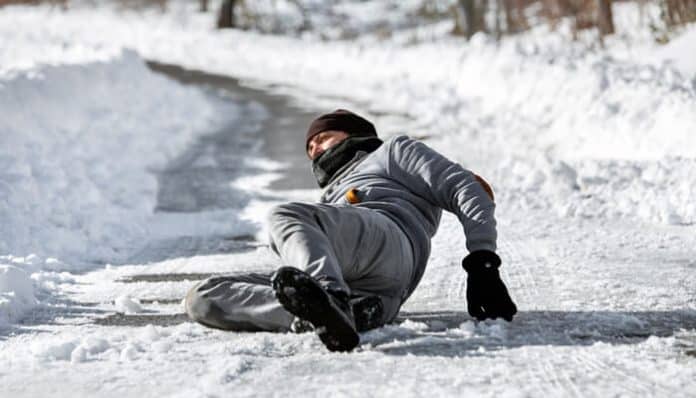

The fall happened in less than a second. One foot slid, a hip twisted, and a shoulder slammed the ground—a fall on frozen concrete. By the time anyone mentioned a slip and fall lawyer, the real damage was already spreading through muscles, bones, and nerves.
Why A “Minor” Slip Is Not Always Minor
People often brush off a quick fall with a joke or a shrug. They feel embarrassed and want to move on. The problem is that the body does not always move on so easily.
Concrete is unforgiving. When you hit it, your body absorbs almost all the force. Frozen concrete is even worse, because the surface is extra hard and extra slick.
The result can be deep bruises, fractures, or injuries that do not show fully right away. Pain might start as a dull ache and grow over hours or days. By then, swelling and stiffness can make everything hurt more.
How The Body Moves In A Sudden Slip
On frozen concrete, your foot can shoot forward faster than your brain can react. Your arms flail as you try to catch yourself. Muscles strain in unnatural directions in a desperate attempt to stay upright.
If you fall backward, your tailbone, spine, or head often takes the brunt of the impact. A forward fall may land on wrists, knees, or shoulders. Either way, the impact is concentrated in a small area, which raises the risk of serious injury.
Your spine and joints are not meant to fold or twist that fast. Tiny structures like discs, ligaments, and tendons can tear or shift. These injuries can be harder to heal than a clean break.
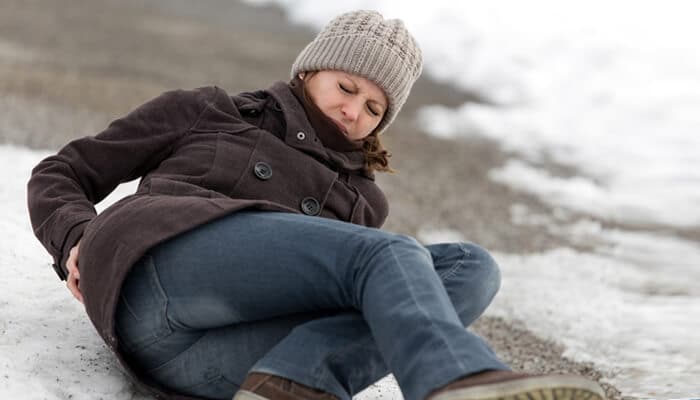
Hidden Injuries You Might Overlook At First
Right after a fall, adrenaline can mask pain. You may feel mostly shocked and a little sore. It is easy to assume you got lucky and simply “walk it off.”
Hours later, stiffness often sets in. Back muscles tighten around an injured disc. Neck strain can show up as headaches or limited movement.
Deep bruises, called contusions, may not show full color right away. Swelling around a joint can limit motion and cause throbbing pain. Sometimes what felt like a sprain turns out to be a small fracture hidden by swelling.
Head, Neck, And Spine: High-Stakes Damage
A quick fall on frozen concrete can send your head into the ground before your hands can react. Even without a visible cut, the brain can rattle inside the skull. That can lead to a concussion or more serious internal bleeding.
Symptoms are not always obvious. You might feel dizzy, foggy, or unusually tired. Light and noise can start to feel overwhelming, and concentrating can become hard.
Neck and back injuries can be equally sneaky. A slipped or herniated disc might first feel like simple soreness. Later, numbness, tingling, or weakness in the arms or legs can indicate that nerves are being pinched.
The Emotional And Practical Fallout
A single misstep can ripple through everyday life. Simple tasks like getting out of bed, showering, or climbing stairs become challenges. Work duties may suddenly feel impossible, especially in physical jobs.
This loss of independence can be upsetting. People who are used to being strong and capable may feel frustrated or ashamed. They might downplay pain to avoid being seen as weak, which can slow healing.
There is also the strain of missed work and medical bills. Appointments, therapy, and medication take time and money. Stress about finances can make it harder to rest and recover.
Why The Condition Of The Concrete Matters
Not every fall is just bad luck. Frozen, untreated concrete can be a known hazard. Property owners usually have some duty to watch for these conditions, especially in high-traffic areas.
If ice forms where water always pools, or where gutters leak, it may be predictable. Failing to salt, sand, or block off dangerous spots can raise questions about who is responsible. Poor lighting or broken handrails can make a slick step even more hazardous.
This does not mean every slip is someone else’s fault. The weather is unpredictable, and no one can remove every risk. But when patterns of neglect show up, the story of that “one quick slip” can look different.
Conclusion
When someone considers speaking with a slip and fall lawyer, it’s because they want to understand their options. The goal is not to punish every misstep, but to be fair about preventable harm. Knowing your rights can help you focus on recovery while someone else helps untangle how a “small” fall became such a significant turning point.