

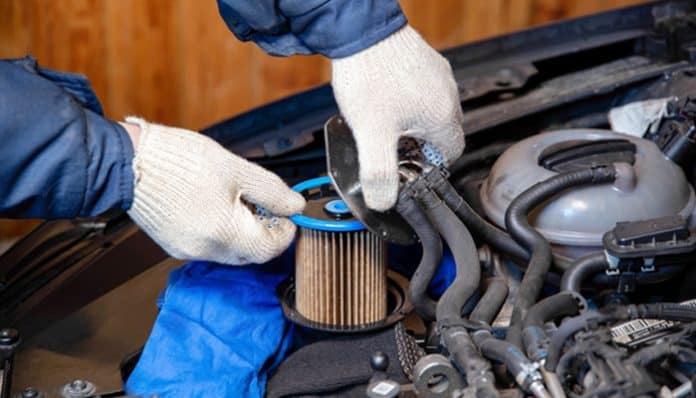

It is a frustrating moment when your trusty older car starts to sputter or lose power right when you need it most. You might be cruising down the highway when the engine begins to hesitate as if it is gasping for air, a common sign of fuel filter clogs. While many people jump to conclusions about failing fuel pumps or spark plug issues, the reality is often much simpler and cheaper to fix. However, if a sudden stall in traffic leads to a collision, you might find yourself searching for an attorney specializing in vehicle accidents to navigate the legal aftermath. Understanding what is happening under the hood can save you from both mechanical headaches and dangerous road situations.
The Science of the Rusty Gas Tank
The most common reason older vehicles suffer from frequent Older Car Fuel Problems is the physical breakdown of the gas tank itself. Back in the day, most fuel tanks were made of steel. Over the decades, moisture from humidity and condensation settles at the bottom of the tank. This leads to internal corrosion. Tiny flakes of rust eventually peel off and swirl around in your gasoline.
As the fuel pump pulls gas toward the engine, it brings these rust particles along for the ride. Your fuel filter is the hero of this story, catching those flakes before they can ruin your fuel injectors. But even a hero has limits. Eventually, the sheer volume of debris creates a thick, reddish sludge that chokes off the flow of fuel entirely.
Old Rubber and Degrading Lines
Modern cars use high-grade plastics and synthetic materials that resist chemical breakdown, but older vehicles rely heavily on rubber components. Over twenty or thirty years, the fuel lines that carry gas from the tank to the engine can start to dry out and rot from the inside out.
When these hoses degrade, they shed tiny bits of black rubber. Since this breakdown happens “downstream” from the tank but “upstream” from the filter, all that rubber grit ends up trapped in the filter mesh. If you notice black specks when you change your filter, your fuel lines are likely telling you they are ready for retirement.
The Biofuel Factor and Modern Gas
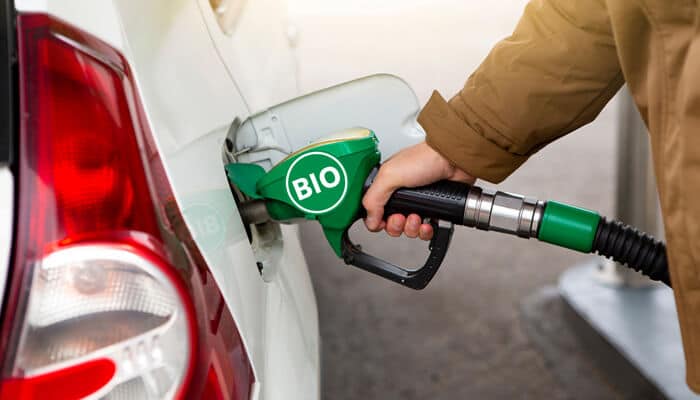
You might be surprised to learn that the gas we buy today is actually different from what was available when your older car was manufactured. Most modern gasoline contains a percentage of ethanol. While this is fine for newer engines, ethanol acts as a powerful solvent.
When you put high ethanol fuel into a vintage car that has been sitting for a while, the alcohol begins to “clean” the inside of the fuel system. It dissolves old varnish, gum, and deposits that have been stuck to the walls of the tank for years. All that loosened gunk travels straight to the fuel filter. It is a bit of a paradox: the fuel is cleaning your system, but it is doing it so fast that it clogs the filter in the process.
Contaminated Fuel and Ground Scale
Sometimes the problem is not your car at all. Older gas stations often have aging underground storage tanks. Just like the tank in your car, these massive reservoirs can accumulate water, silt, and rust. If you happen to fill up right after a tanker truck has refilled the station’s supply, all that sediment at the bottom of their tank gets stirred up and pumped directly into your vehicle. Older cars are often more sensitive to this “bad gas” because their filtration systems were not always designed to handle the high levels of particulates found in some low-quality fuels today.
Final Thoughts
Keeping an eye on your fuel system is a vital part of owning a classic or high-mileage daily driver. Regularly replacing your filter and inspecting your lines can prevent those terrifying moments where your engine cuts out in the middle of a turn or on a busy intersection. Safety is always the priority because mechanical failure is never an excuse for a crash. If you ever end up in a situation where a mechanical mishap causes a wreck, contacting an attorney specializing in vehicle accidents is the best way to ensure your rights are protected while you get back on the road.