

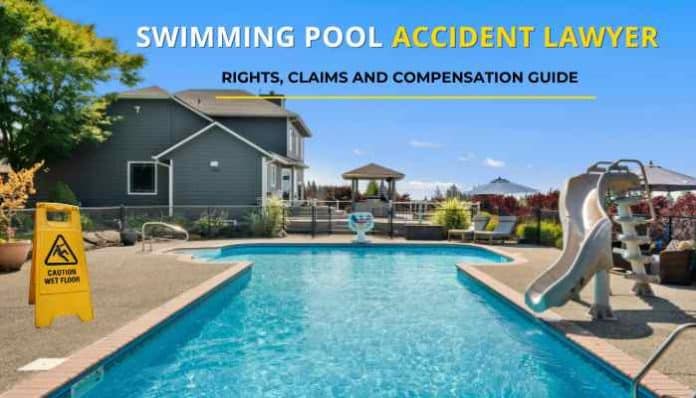

A swimming pool should be a place for relaxation and fun—but when safety measures fail, it can quickly become the scene of a serious accident. Every year, thousands of drowning and pool-related injury cases occur, many of which are preventable.
In these situations, a swimming pool accident lawyer helps victims and families understand their legal rights, identify responsible parties, and pursue fair compensation. Whether the incident involves unsafe pool conditions, lack of supervision, or defective equipment, taking the right legal steps early can make a significant difference in recovery.
Drowning is also a major safety concern. The Centers for Disease Control and Prevention (CDC) reports that drowning causes more than 4,000 unintentional deaths each year in the United States, and children ages 1–4 are at especially high risk. In these serious cases, a Swimming Pool Accident Lawyer can guide families through legal options and help them seek justice and compensation.
Swimming Pool Accident Lawyer: Quick Answer
A Swimming Pool Accident Lawyer helps victims and families after pool-related accidents involving drowning, near-drowning, slip-and-fall injuries, diving injuries, defective pool equipment, chemical exposure, drain entrapment, or unsafe pool conditions.
A lawyer investigates what happened, identifies liable parties, proves negligence, handles insurance companies, calculates damages, and helps victims seek compensation for medical bills, lost income, pain and suffering, long-term care, disability, emotional distress, or wrongful death damages.
What Is a Swimming Pool Accident Lawyer?
A swimming pool accident lawyer is a personal injury attorney who helps victims after pool-related incidents such as drowning, slip-and-fall injuries, or defective equipment accidents. They investigate negligence, handle insurance claims, and help recover compensation for medical expenses, lost income, and emotional damages.
A lawyer may help with:
- Investigating how the pool accident happened
- Reviewing pool safety rules and local regulations
- Checking maintenance records and inspection reports
- Identifying negligent property owners, managers, lifeguards, contractors, or manufacturers
- Proving liability and damages
- Communicating with insurance companies
- Negotiating settlement offers
- Filing a lawsuit if fair compensation is not offered
Most swimming pool injury claims are based on negligence or premises liability. This means the person or business controlling the property may be responsible if unsafe pool conditions caused the injury.
An experienced pool injury lawyer plays a critical role in investigating accidents, identifying liability, and building a strong claim. These legal professionals review safety compliance, maintenance records, and witness evidence to determine what went wrong.
A premises liability attorney may also handle communication with insurance companies, negotiate settlements, and represent victims in court if needed. Their goal is to ensure injured individuals receive fair compensation for both financial and emotional losses.
Swimming Pool Accident Statistics Victims Should Know
Swimming pool accidents are not rare. Drowning and pool-related injuries continue to affect families every year.
Important safety facts include:
- Drowning causes over 4,000 unintentional deaths each year in the U.S.
- Children ages 1–4 face the highest drowning risk.
- Many child drownings happen in home swimming pools.
- Near-drowning can cause brain damage due to a lack of oxygen.
- Slip-and-fall accidents near pools can cause fractures and head injuries.
These statistics show why pool owners, hotels, apartment complexes, schools, and public facilities must take swimming pool safety seriously.
Common Types of Swimming Pool Accidents
Swimming pool accidents can happen in many ways. Some are caused by careless behavior, but many happen because of preventable safety failures.
1. Drowning and Near-Drowning Accidents
Drowning is one of the most serious pool-related accidents. A near-drowning incident can also cause brain damage, lung injuries, oxygen deprivation, and long-term disability.
Children are especially vulnerable because they may not fully understand the danger of water or may enter a pool area without supervision.
2. Slip-and-Fall Accidents
Wet tiles, broken surfaces, poor drainage, missing warning signs, and slippery pool decks can cause serious falls.
Common injuries include:
- Head injuries
- Broken bones
- Back injuries
- Hip injuries
- Neck injuries
- Soft tissue injuries
- Spinal injuries
A Swimming Pool Accident Lawyer may investigate whether the property owner failed to clean, repair, warn, or maintain the pool area properly.
3. Diving Injuries
Unsafe diving areas can lead to catastrophic injuries. Diving into shallow water or poorly marked pools may cause spinal cord damage, paralysis, traumatic brain injuries, or neck fractures.
Pool owners may be responsible if they failed to provide warning signs, depth markers, barriers, or safe diving conditions.
4. Defective Pool Equipment Injuries
Pool drains, ladders, slides, diving boards, filters, pumps, gates, alarms, and pool covers must work properly. Defective or poorly maintained equipment can trap, cut, crush, or injure swimmers.
The CPSC explains that the Virginia Graeme Baker Pool and Spa Safety Act was created to help prevent dangerous drain entrapment hazards in public pools and spas.
5. Chemical Exposure Injuries
Improper pool chemical use can cause:
- Skin burns
- Eye injuries
- Breathing problems
- Chemical poisoning
- Respiratory distress
- Skin irritation
- Throat and lung injuries
Chemical exposure may happen when pool chemicals are mixed incorrectly, stored unsafely, or used in excessive amounts.
6. Lack of Supervision
Hotels, schools, water parks, camps, and public pools may be required to provide proper supervision depending on local rules and circumstances.
Poor supervision can increase the risk of:
- Drowning
- Near-drowning
- Diving injuries
- Horseplay injuries
- Delayed emergency response
- Child injuries
7. Pool Drain Entrapment Accidents
Pool drains and suction systems can trap hair, limbs, clothing, jewelry, or body parts. These accidents can be extremely dangerous, especially for children.
The CPSC recommends anti-entrapment drain covers and safety measures for pool and spa drains.
Common Causes of Swimming Pool Accidents
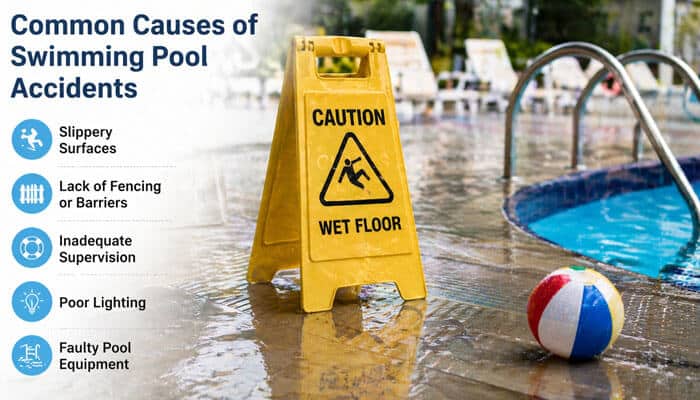
A Swimming Pool Accident Lawyer will usually investigate the cause of the accident before deciding who may be legally responsible.
Common causes include:
- No pool fence or broken fence
- Unlocked or defective gates
- No warning signs
- Slippery pool decks
- Poor lighting
- Lack of lifeguards or inattentive supervision
- Defective drains or suction equipment
- Broken ladders, slides, or diving boards
- Improper chemical levels
- Overcrowding
- Unsafe pool design
- Failure to maintain the pool area
- Failure to follow safety codes
- Delayed emergency response
- Alcohol-related negligence
- Lack of child safety measures
The U.S. Consumer Product Safety Commission recommends pool safety measures and consumer protection practices that reduce unreasonable risks of serious injury or death.
Where Swimming Pool Accident Claims Commonly Happen
Swimming pool accident claims can happen in many locations. Each location may involve different safety duties and different responsible parties.
| Pool Location | Possible Safety Issue |
| Private home pools | Lack of fencing, open gates, and poor supervision |
| Apartment complex pools | Poor maintenance, unsafe access, broken lights |
| Hotel and resort pools | Slippery decks, no warnings, defective equipment |
| School pools | Poor supervision, unsafe diving areas |
| Gym and fitness center pools | Chemical issues, wet floors, broken ladders |
| Community pools | Overcrowding, poor lifeguard response |
| Public pools | Safety code violations, drain hazards |
| Water parks | Unsafe slides, crowd control problems |
| Vacation rental pools | No safety barriers, unclear pool rules |
| Country club pools | Poor maintenance, defective pool features |
| Daycare or camp pools | Negligent supervision, poor emergency planning |
For example, a hotel may be responsible for guest safety, an apartment complex may be responsible for maintaining a community pool, and a homeowner may be responsible for securing a private pool from children.
Hotel, Resort, and Vacation Rental Pool Accidents
Hotels, resorts, and vacation rentals often advertise pools as guest amenities. Because guests are invited onto the property, owners and operators must usually take reasonable steps to keep pool areas safe.
Negligence may include:
- Broken gates
- Poor lighting
- Missing depth markers
- Slippery pool decks
- No warning signs
- Unsafe diving areas
- Poor chemical maintenance
- Defective ladders or handrails
- Lack of emergency equipment
- Failure to respond to previous complaints
If a guest is injured at a hotel, resort, Airbnb-style rental, or vacation property, a Swimming Pool Accident Lawyer can review whether the owner, property manager, booking company, maintenance contractor, or insurance provider may be responsible.
Who Can Be Liable for a Swimming Pool Accident?
Liability depends on who controlled the property, what safety rules applied, and whether negligence caused the injury. A Swimming Pool Accident Lawyer evaluates all parties involved.
Possible responsible parties:
- Property owners (homeowners, landlords, hotels, resorts)
- Property managers (failure to maintain or fix hazards)
- Hotels and resorts (unsafe pool areas, poor supervision)
- Apartment complexes / HOAs (community pool safety failures)
- Lifeguards or pool staff (lack of supervision or delayed response)
- Maintenance companies (poor cleaning, repair, or chemical balance)
- Equipment manufacturers (defective drains, covers, or pool parts)
- Other swimmers/guests (reckless or unsafe behavior)
Liability can involve one or multiple parties, depending on the circumstances.
Legal Rights After a Swimming Pool Accident
Victims injured in swimming pool accidents may have the right to file a personal injury claim if another person or business caused the accident through negligence.
A legal claim may help victims recover compensation for:
- Medical bills
- Lost income
- Future medical treatment
- Pain and suffering
- Emotional distress
- Rehabilitation
- Disability
- Reduced earning ability
- Long-term care needs
In fatal cases, surviving family members may have the right to file a wrongful death claim. These claims may include funeral expenses, loss of financial support, loss of companionship, and other damages allowed by law.
A Swimming Pool Accident Lawyer can explain which legal rights apply based on the location, evidence, injury severity, and state law.
What Must Be Proven in a Swimming Pool Accident Claim?
Most swimming pool accident claims are based on the legal concept of negligence. A Swimming Pool Accident Lawyer helps victims prove that someone failed to act with reasonable care and that this failure directly caused injury or harm.
In simple terms, negligence occurs when a person or organization does not take proper safety precautions, leading to an accident. To build a strong legal claim, four essential elements must be clearly established.
1. Duty of Care
The first step is proving that the responsible party owed a duty of care to the victim. A duty of care means a legal responsibility to keep the pool area reasonably safe and prevent foreseeable risks. This applies to anyone who owns, controls, or manages a swimming pool.
In swimming pool accident cases, responsible parties may include:
- Homeowners with private pools
- Hotels, resorts, and water parks
- Apartment complexes and landlords
- Schools, gyms, and public facilities
- Pool maintenance or service companies
A Swimming Pool Accident Lawyer carefully examines ownership, control, and safety obligations to determine who was legally responsible.
2. Breach of Duty
Once duty of care is established, the next step is proving a breach of duty. A breach happens when the responsible party fails to act in a reasonably safe manner. This is often the most critical part of a negligence claim.
Common examples include:
- Broken, missing, or unlocked pool gates
- Lack of proper fencing or child safety barriers
- Wet or slippery surfaces without warning signs
- No lifeguard or inadequate supervision
- Unsafe chemical balance in pool water
- Faulty drains, filters, or pool equipment
- Ignoring safety laws or inspection requirements
An experienced Swimming Pool Accident Lawyer gathers strong evidence such as photographs, maintenance logs, inspection reports, and witness statements to prove this failure.
3. Causation
Proving negligence also requires a clear link between the unsafe condition and the injury. This is known as causation.
There are two key parts:
- Actual cause (cause-in-fact): The injury would not have occurred without the unsafe condition
- Proximate cause: The harm was a predictable result of the negligence
For example:
- A child gains access to an unsecured pool and drowns
- A visitor slips on a wet surface without warning signage
- A swimmer suffers burns due to improper chemical levels
A Swimming Pool Accident Lawyer uses medical records, expert analysis, and incident evidence to connect the accident directly to the negligent act.
4. Damages
The final element is proving that the victim suffered actual damages. Without measurable harm, a claim cannot succeed. Damages can be both financial and non-financial.
Economic Damages
- Medical expenses, including emergency care and treatment
- Lost income or reduced earning capacity
- Rehabilitation, therapy, and long-term care
Non-Economic Damages
- Pain and suffering
- Emotional distress and trauma
- Loss of enjoyment of life
- Permanent disability or disfigurement
In fatal cases, families may also pursue wrongful death compensation. A pool injury lawyer evaluates the full impact of the injury to ensure fair and complete compensation.
Swimming Pool Accidents Involving Children
Child pool accident cases can be especially serious. Children may not fully understand pool dangers, especially when pools are easy to access.
Examples of child-related pool safety failures include:
- No pool fence
- Broken gate latch
- No pool cover
- No door alarms
- Easy access from a yard or apartment area
- Missing supervision
- Unsafe pool toys left near water
- Defective ladders or steps
- Poorly maintained above-ground pools
In some cases, the attractive nuisance doctrine may apply. This legal concept may hold property owners responsible when a dangerous condition attracts children and causes injury. Because laws vary by state, families should speak with a Swimming Pool Accident Lawyer to understand whether premises liability, attractive nuisance, negligence, or wrongful death laws may apply.
Common Defenses in Swimming Pool Accident Claims
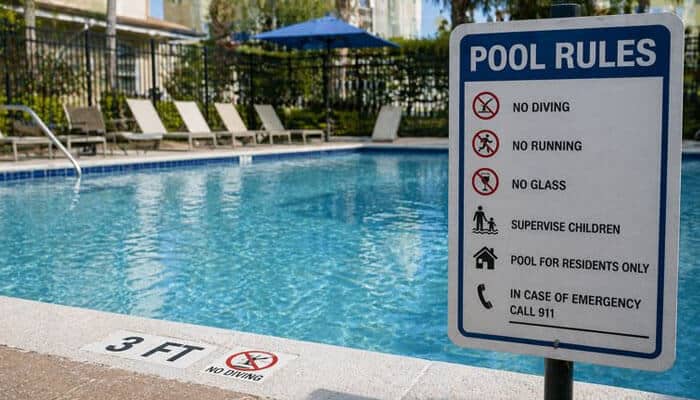
Property owners and insurance companies may try to reduce or deny responsibility after a swimming pool accident.
Common defenses include:
- The victim ignored warning signs
- The victim was running, diving, or behaving recklessly
- The hazard was open and obvious
- The property owner did not know about the danger
- A parent or guardian failed to supervise a child
- Another guest caused the accident
- The injury was not caused by the pool condition
- The victim had a pre-existing medical condition
A Swimming Pool Accident Lawyer can respond to these defenses by using evidence such as photos, videos, medical records, witness statements, maintenance logs, inspection reports, safety code records, and expert testimony.
Types of Compensation After a Swimming Pool Accident
Compensation in a swimming pool accident claim depends on injury severity, medical costs, and long-term impact. A Swimming Pool Accident Lawyer helps ensure all damages are properly calculated.
- Medical Expenses: Emergency care, hospital bills, surgery, medication, and therapy
- Future Medical Care: Ongoing treatment, rehabilitation, or long-term care needs
- Lost Wages: Income lost during recovery
- Loss of Earning Capacity: Reduced ability to work in the future
- Pain and Suffering: Physical pain and reduced quality of life
- Emotional Distress: Anxiety, trauma, or fear after the accident
- Disability or Disfigurement: Permanent injuries or visible scarring
- Wrongful Death Damages: Funeral costs and family losses in fatal cases
A skilled Swimming Pool Accident Lawyer ensures victims receive fair compensation for both financial and emotional losses.
How Much Is a Swimming Pool Accident Case Worth?
The value of a swimming pool accident claim depends on several factors, including injury severity, medical costs, liability, and long-term impact. Minor injuries may result in smaller settlements, while severe cases involving brain injury, spinal damage, or wrongful death can lead to significant compensation.
Typical claims may include medical expenses, lost wages, rehabilitation costs, pain and suffering, and future care needs. A qualified pool accident attorney evaluates all damages to ensure victims receive full and fair compensation.
Wrongful Death Claims After a Swimming Pool Accident
When a swimming pool accident causes death, surviving family members may have the right to file a wrongful death claim. These cases may involve drowning, delayed rescue, lack of supervision, defective drains, unsafe fencing, poor lighting, missing emergency equipment, or failure to follow pool safety rules.
Wrongful death compensation may include:
- Funeral and burial expenses
- Medical bills before death
- Loss of financial support
- Loss of companionship
- Loss of parental guidance
- Emotional suffering
- Other damages allowed by state law
A Swimming Pool Accident Lawyer can help families understand who may be liable, what evidence is needed, and what legal deadlines apply.
Evidence That Can Strengthen a Pool Accident Claim
Strong evidence is very important in swimming pool injury cases. A pool accident attorney may collect and review:
- Photos and videos of the pool area
- Surveillance footage
- Witness statements
- Medical records
- Incident reports
- Police or emergency response records
- Pool inspection records
- Maintenance logs
- Lifeguard schedules
- Employee training records
- Safety code violations
- Prior complaints or accident reports
- Pool design documents
- Expert opinions
- Insurance policy information
Evidence can disappear quickly. Video footage may be deleted, pool conditions may be repaired, and witnesses may become harder to contact. That is why victims should act quickly after an accident.
What to Do After a Swimming Pool Accident
After a pool accident, safety and medical care should come first.
Important steps include:
- Call emergency services immediately.
- Get medical treatment, even if injuries seem minor.
- Report the accident to the property owner, hotel, manager, or lifeguard.
- Take photos and videos of the pool, gate, signs, surface, lighting, and hazards.
- Collect witness names and contact information.
- Keep medical bills, reports, and receipts.
- Avoid giving recorded statements to insurance companies without legal advice.
- Do not post details about the accident on social media.
- Contact a Swimming Pool Accident Lawyer to review your rights.
Why You May Need a Swimming Pool Accident Lawyer
Swimming pool accident claims can be complex because several parties may be involved. A hotel, homeowner, landlord, contractor, lifeguard, product manufacturer, maintenance company, or insurance company may all play a role.
A lawyer can help by:
- Explaining your legal options
- Investigating the accident
- Proving negligence
- Calculating damages
- Handling insurance adjusters
- Hiring experts if needed
- Negotiating a fair settlement
- Filing a lawsuit before the deadline
- Representing the victim in court
Insurance companies may try to reduce the claim by arguing that the victim was careless, warnings were visible, supervision was someone else’s responsibility, or the injury was not serious. A lawyer helps protect the victim from unfair blame and low settlement offers.
How Insurance Companies Handle Pool Accident Claims
Insurance companies often investigate pool accident claims carefully because injuries can be expensive. They may request medical records, statements, photos, and witness details.
Common insurance company arguments include:
- The victim ignored warning signs
- The injury was caused by horseplay
- The property owner did not know about the hazard
- The accident was not foreseeable
- The victim’s injuries existed before the accident
- Parents or guardians failed to supervise a child
- The damages are exaggerated
A Swimming Pool Accident Lawyer can respond to these arguments with evidence, expert opinions, medical documentation, and legal analysis.
Time Limits for Filing a Swimming Pool Accident Claim
Swimming pool accident claims must be filed within a legal deadline called the statute of limitations. A Swimming Pool Accident Lawyer can help ensure you meet the correct deadlines and avoid losing your right to compensation.
| Factor | Time Limit |
| Personal Injury | 1–3 years |
| Minors | Extended until legal age |
| Wrongful Death | 1–3 years |
| Government Claims | Few months notice |
| Discovery Rule | From injury discovery |
| Exceptions | Case-specific rules |
Pool Safety Rules, Codes, and Regulations
Swimming pool safety rules may come from state laws, local building codes, health department rules, hotel safety standards, public pool regulations, and federal safety laws.
These rules may cover:
- Fencing
- Gates
- Drain covers
- Depth markers
- Lifeguards
- Water quality
- Warning signs
- Lighting
- Emergency equipment
- Pool access
- Chemical handling
- Inspection duties
If a pool owner violated a safety rule and that violation caused an injury, the violation may help support a negligence claim. A Swimming Pool Accident Lawyer may review inspection records, local pool codes, maintenance reports, and safety standards to determine whether the pool was legally compliant.
Swimming Pool Safety and Prevention
While legal claims help victims after an accident, prevention is always better. Pool owners and operators should take safety seriously.
Important safety measures include:
- Install secure fencing around pools
- Use self-closing and self-latching gates
- Keep rescue equipment nearby
- Provide proper lighting
- Use warning signs
- Repair broken surfaces quickly
- Maintain safe chemical levels
- Keep children supervised at all times
- Keep drains and suction equipment compliant
- Train lifeguards and staff properly
- Inspect pools regularly
- Keep emergency phones available
- Teach children water safety
- Learn CPR and emergency response
Swimming pool safety is not based on one single action. A safer pool usually requires multiple layers of protection, proper maintenance, active supervision, and quick emergency response.
How to Choose the Right Swimming Pool Accident Lawyer
Choosing the right lawyer can affect the outcome of your case.
Look for a lawyer who has experience with:
- Premises liability cases
- Drowning and near-drowning claims
- Child injury cases
- Hotel and resort injury claims
- Vacation rental injury claims
- Product liability claims
- Wrongful death claims
- Serious injury compensation
- Insurance negotiations
Questions to ask before hiring:
- Have you handled swimming pool accident cases before?
- What types of damages may apply to my case?
- Who may be liable for the accident?
- What evidence do we need?
- How do your fees work?
- What is the expected legal process?
- Will you handle insurance communication?
- What deadlines apply to my case?
Many personal injury lawyers work on a contingency fee basis, meaning they are paid only if they recover compensation. However, fee terms should always be discussed clearly before signing an agreement.
Legal References, Court Rulings, and Expert Opinions
1. Premises Liability Principle:
Property owners are responsible for ensuring their premises, including swimming pools, are safe for visitors. Failure to address hazards can result in the owner being held liable for injuries that occur due to unsafe conditions. Legal responsibility often hinges on whether proper safety measures were in place.
2. Attractive Nuisance Doctrine:
This legal doctrine holds that property owners must take extra precautions to protect children from dangerous conditions, like swimming pools. Even if children enter without permission, the law requires owners to secure these areas, typically through fencing or locked gates. The doctrine aims to prevent harm from potential attractions.
3. Pool Safety Law (VGB Act):
The Virginia Graeme Baker Pool and Spa Safety Act mandates that pools have safety features like anti-entrapment drain covers to prevent accidents. These measures are specifically designed to protect swimmers from drowning hazards, especially those involving pool drains. Compliance with these laws helps reduce preventable pool injuries.
4. Drowning Statistics (Expert Data):
Experts report thousands of drowning incidents annually, highlighting the need for stringent pool safety measures. Drowning is especially dangerous for young children, who are most at risk in home swimming pools. These statistics emphasize the importance of enforcing pool safety laws to prevent such tragedies.
5. Regulatory Safety Standards:
Government guidelines for pool safety include requirements for warning signs, proper lighting, safe chemical levels, and supervision to reduce risks. These standards help ensure that pools are maintained and operated in ways that minimize accidents. Compliance with these regulations is vital for public safety.
6. Legal Expert Opinion:
Legal experts agree that a successful claim for a pool accident must prove four key elements: duty of care, breach, causation, and damages. These elements establish that the property owner was responsible, failed to act appropriately, and caused harm to the victim. Without proof of all four, the claim may not succeed.
7. Court Rulings Principle:
Courts typically assess whether the danger leading to an accident was foreseeable and if the owner took reasonable precautions. If the risk of injury was predictable, property owners are expected to have acted to prevent it. Judicial decisions are often based on whether safety measures were adequate to address known risks.
Conclusion
Swimming pool accidents can happen suddenly and often lead to serious injuries, including drowning, head trauma, and spinal damage. These incidents are frequently caused by unsafe conditions, poor maintenance, or lack of proper supervision. In such situations, a Swimming Pool Accident Lawyer helps victims understand their legal rights and take the necessary steps toward recovery.
Many pool accident cases involve negligence by property owners, managers, or operators who fail to maintain a safe environment. Whether the issue involves broken gates, slippery surfaces, defective equipment, or lack of warning signs, a Swimming Pool Accident Lawyer can investigate the cause, identify responsible parties, and build a strong claim based on evidence.
Victims may face medical expenses, lost income, and emotional distress after an accident. Legal support is essential to handle insurance companies and secure fair compensation. By working with a Swimming Pool Accident Lawyer, injured individuals and families can focus on recovery while ensuring accountability and justice.
Swimming Pool Accident Lawyer FAQs
1. What does a Swimming Pool Accident Lawyer do?
A Swimming Pool Accident Lawyer helps victims after pool accidents by investigating the case and identifying who is responsible. They also handle insurance claims and work to secure fair compensation.
2. When should I contact a Swimming Pool Accident Lawyer?
You should contact a Swimming Pool Accident Lawyer immediately after an accident. Early legal advice helps protect your rights and preserve important evidence.
3. What compensation can a Swimming Pool Accident Lawyer help recover?
A Swimming Pool Accident Lawyer can help recover medical expenses, lost income, and pain and suffering. The amount depends on injury severity and liability.
4. Who can be held liable in a swimming pool accident?
A Swimming Pool Accident Lawyer may hold property owners, managers, or staff responsible. Liability depends on negligence and who controlled the pool area.
5. How much does a Swimming Pool Accident Lawyer cost?
Most Swimming Pool Accident Lawyer services work on a contingency fee basis. You only pay if compensation is successfully recovered.