

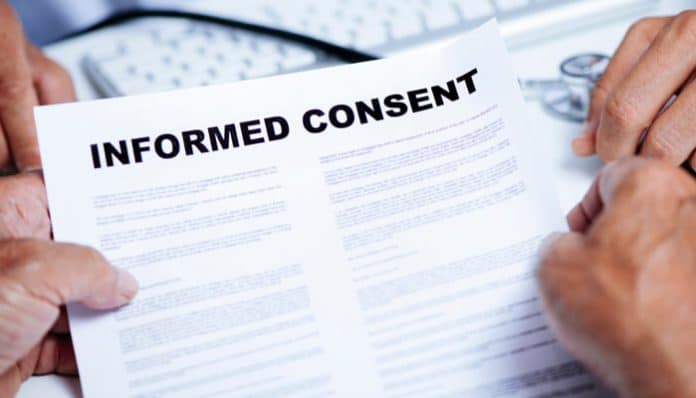

After a fatal medical outcome, families are often told that a signed consent form means the provider cannot be held responsible. That explanation can feel final, especially during grief. In reality, consent forms do not automatically protect medical providers from liability. One of the most common reasons informed consent fails is when serious risks are never properly disclosed. When a patient dies after a procedure, courts look closely at what the patient was told before signing, not just whether a signature exists. This issue frequently becomes central when families consider pursuing a wrongful death claim in Arizona following medical care.
Consent is only meaningful when it is informed. If key risks are minimized, rushed through, or omitted altogether, the consent form may offer little protection to the provider who relied on it.
What Informed Consent Actually Requires
Informed consent is more than a form. It is a process that requires clear communication. Providers are expected to explain the nature of the procedure, its purpose, reasonable alternatives, and the material risks a patient would want to know before deciding.
Material risks are not limited to what happens often. They include risks that are severe, even if uncommon. A risk that could result in death, permanent injury, or loss of function generally must be disclosed. Courts evaluate whether a reasonable patient in the same situation would have wanted that information before agreeing to treatment. If that information was not shared, consent may be considered legally deficient.
How Risk Omission Commonly Happens
Risk disclosure failures often occur in subtle ways. A provider may mention general complications but skip the most serious ones. The discussion may be rushed because of scheduling pressure or treated as routine because the provider performs the procedure frequently.
In some cases, risks are buried in dense written language without meaningful verbal explanation. Patients may be handed a clipboard minutes before surgery, asked to sign while anxious or overwhelmed, and never given a chance to ask questions. When this happens, courts may find that the patient agreed to something they did not fully understand. The issue is not whether the risk was listed somewhere on paper. It is whether the patient was actually informed.
Why Undisclosed Risks Matter After a Death

When a patient dies following a procedure, the cause of death is examined alongside what the patient was told beforehand. If the fatal complication was a known risk that was never explained, the consent form loses much of its defensive value.
Courts distinguish between a patient knowingly accepting a risk and a patient being unknowingly exposed to one. If a patient had declined the procedure or chosen an alternative had they known the full risk, consent may be considered invalid. This distinction is especially important in wrongful death cases, where families are left to reconstruct decisions they were not part of.
Consent Does Not Cover the Unknown
Providers sometimes argue that consent covers all complications, known or unknown. Courts generally reject that idea. Consent covers known and reasonably foreseeable risks, not risks that were never discussed or were misrepresented as unlikely or insignificant.
If a provider knew or should have known that a risk was serious, disclosure is expected. Failing to disclose does not become acceptable simply because the outcome was rare. The severity of the harm often outweighs the statistical likelihood when courts evaluate informed consent.
Documentation Gaps That Raise Red Flags
Medical records often reveal whether meaningful risk discussions occurred. Courts and attorneys look for notes showing that alternatives were discussed, risks were explained, and questions were answered.
When documentation is vague or silent, it can undermine the provider’s claim that consent was informed. A signed form without supporting notes may look procedural rather than substantive. In wrongful death cases, these gaps often prompt deeper investigation.
How This Issue Is Evaluated In Wrongful Death Claims
When pursuing a wrongful death claim in Arizona, attorneys often focus early on whether the patient was fully informed. Experts may review medical standards to determine whether the undisclosed risk should have been part of the consent discussion.
If the fatal outcome aligns with a risk that was never explained, consent may not shield the provider. The analysis centers on communication, not paperwork.
What Families Should Know
Families should not assume that a consent form ends the conversation. Requesting complete medical records, including consent documents and provider notes, is an important first step. Understanding what was said, when it was said, and how it was documented often reveals whether consent was truly informed.
Closing Thoughts
A consent form is not a blanket release of responsibility. When serious risks are not disclosed, consent loses its legal strength. In cases involving fatal outcomes, undisclosed risks often become a central issue in determining accountability. For families seeking answers, understanding how informed consent really works can clarify whether a signature truly reflects an informed choice or a missed obligation.