

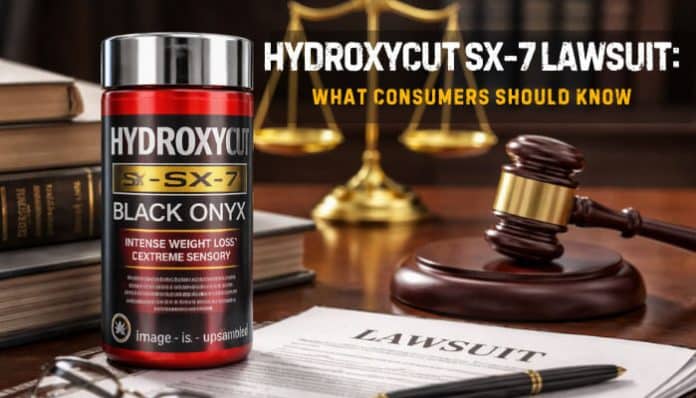

Hydroxycut SX-7 has become a major point of concern for consumers who relied on this popular weight-loss supplement and later experienced serious health complications. While Hydroxycut products are widely marketed as safe and effective dietary supplements, lawsuits and consumer complaints tell a much more complicated story—one involving alleged liver damage, cardiovascular issues, and misleading safety claims. This in-depth legal guide explains what Hydroxycut SX-7 is, why Hydroxycut SX-7 lawsuit has been filed, what side effects are being reported, and what legal options may be available if you or a loved one was harmed.
What Is Hydroxycut SX-7?
Hydroxycut SX-7 is a dietary supplement marketed to consumers as a stimulant-free weight-loss product designed to help users burn fat without the typical “jitters” or energy spikes that other stimulant-based formulas cause.
Hydroxycut products, including SX-7, are manufactured and distributed by:
Iovate Health Sciences International Inc., a supplement company that owns the broader Hydroxycut brand.
Unlike FDA-regulated drugs, dietary supplements like Hydroxycut SX-7 do not require pre-market safety approval from the federal government. Nonetheless, manufacturers are legally obligated to ensure that their products are reasonably safe and that warning labels accurately disclose known health risks.
Despite labeling that suggests safety when “used as directed,” Hydroxycut SX-7 contains multiple bioactive ingredients that may affect liver function, heart rate, and blood pressure—raising serious safety concerns among users and regulators.
FDA Recall History: What Happened With Hydroxycut?
One of the most frequently cited reasons for Hydroxycut litigation stems from the product’s regulatory history in the United States.
In May 2009, the U.S. Food and Drug Administration (FDA) issued a nationwide recall of multiple Hydroxycut products (notably earlier versions containing the ingredient Hydroxycitric Acid, or HCA) after receiving more than 23 reports of serious health issues, including liver damage, jaundice, and elevated liver enzymes. Several cases were reportedly severe enough to require hospitalization.
The FDA warned consumers to stop using the affected products immediately. Although SX-7 was introduced after the recall as part of a reformulated line, many lawsuits argue that Hydroxycut products never fully addressed the underlying safety concerns that led to the 2009 recall.
This regulatory history remains critical because it establishes a documented pattern of consumer injury and federal scrutiny—central themes in ongoing product liability claims.
Why Lawsuits Have Been Filed Over Hydroxycut SX-7
Litigation involving Hydroxycut SX-7 typically alleges that:
- The product posed serious health risks that were not adequately disclosed.
- Side effects were underreported or minimized in marketing materials.
- Consumers were not properly warned about potential dangers.
- The manufacturer failed to conduct adequate safety testing.
- Promotional language overstated benefits while downplaying risks.
In product liability law, these claims generally fall into legal theories such as:
✔ Failure to warn – alleging that Hydroxycut did not provide adequate warnings about known or foreseeable risks.
✔ Design defect – claiming the product is inherently dangerous even when used properly.
✔ Misrepresentation/false advertising – asserting that marketing materials overstated benefits and minimized risks.
Is Hydroxycut Safe? What Real-World Evidence Shows
The question “Is Hydroxycut safe?” is one of the most common asked by consumers and legal clients alike.
Because dietary supplements do not require FDA pre-approval, products like Hydroxycut SX-7 can enter the market without large-scale clinical trials. However, companies still have a legal duty to ensure product safety and to warn consumers of known hazards.
Lawsuits and adverse event reports allege that Hydroxycut SX-7 failed to meet these obligations, with reports of:
- Liver toxicity and liver injury
- Elevated heart rate
- High blood pressure
- Severe gastrointestinal distress
- Neurological symptoms including anxiety and dizziness
Some consumers reported symptoms within weeks of using the supplement—even when taken exactly as directed on the label.
How Hydroxycut SX-7’s Ingredients May Cause Harm
Hydroxycut SX-7 is promoted as “stimulant-free,” leading many consumers to believe it’s inherently safer than caffeinated diet pills. But “stimulant-free” does not mean risk-free.
Key Ingredients Allegedly Linked to Injury
A typical Hydroxycut SX-7 formula may contain:
- Green coffee extract: Rich in chlorogenic acids, but in some cases linked to liver enzyme abnormalities.
- Garcinia cambogia extract: Contains hydroxycitric acid (HCA), which was implicated in earlier Hydroxycut product recalls and has been associated in rare cases with liver injury.
- L-Carnitine: Generally used for fat metabolism but may cause nausea or vomiting in some individuals.
- Dandelion extract & other botanical compounds: Plant-based does not mean harmless—herbal extracts can exert potent effects on liver enzymes and metabolic processes.
Because supplement formulations change over time and are not uniformly regulated, consumers may be exposed to varying compounds with different risk profiles.
Proving causation in court often involves showing that a specific ingredient—or combination of ingredients—was reasonably likely to cause the plaintiff’s injury.
Reported Adverse Effects and Complaints
Users filing Hydroxycut SX-7 lawsuits frequently report severe side effects, including:
- Acute liver injury or liver failure
- Jaundice and abnormal liver enzyme levels
- Chest pain and heart palpitations
- Shortness of breath
- Nausea, vomiting, abdominal pain
- Severe fatigue and weakness
In some cases, individuals allege no prior history of liver or heart disease before using the supplement, suggesting a possible link between product use and subsequent injury.
These reported injuries vary widely in severity—from temporary hospitalization to long-term health consequences.
Who May Be Eligible to File a Hydroxycut SX-7 Lawsuit
You may be eligible to pursue a legal claim if:
- You used Hydroxycut SX-7 as directed
- You experienced serious or unexpected health complications
- A healthcare professional linked your condition to the supplement
- You incurred medical expenses, lost income, or ongoing health effects
Eligibility does not require proof that the product harmed everyone—only that it caused injury in your specific case due to alleged design defects or inadequate warnings.
Types of Legal Claims in Hydroxycut Lawsuits
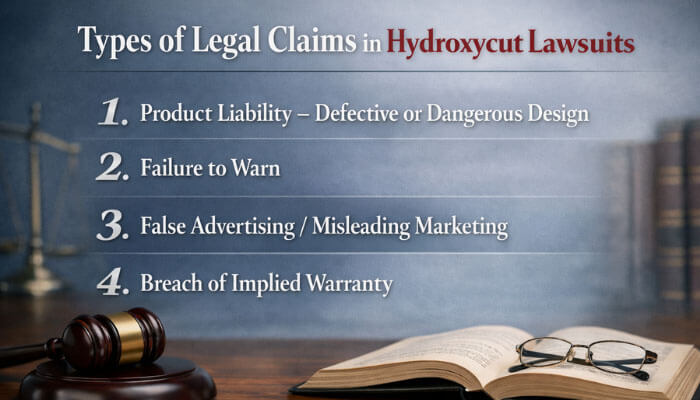
Common legal theories in Hydroxycut SX-7 litigation include:
1. Product Liability – Defective or Dangerous Design
Alleges the product’s formulation was unreasonably dangerous before it ever reached consumers.
2. Failure to Warn
Asserts Hydroxycut did not adequately warn about known or foreseeable risks associated with the product’s ingredients.
3. False Advertising / Misleading Marketing
Claims that promotional language overstated benefits while minimizing or hiding risks.
4. Breach of Implied Warranty
Asserts that the product was unfit for ordinary consumer use given its health risks.
Cases may be filed individually or consolidated into larger multidistrict litigation (MDL) if multiple plaintiffs raise similar claims.
What Compensation May Be Available
If successful, plaintiffs in Hydroxycut SX-7 lawsuits may recover damages such as:
- Medical expenses (past and future)
- Lost wages or reduced earning capacity
- Pain and suffering
- Long-term disability or organ damage
- Out-of-pocket treatment costs
The value of any claim depends on injury severity, medical documentation, and the extent of long-term impact.
Why Legal Deadlines Matter
Product liability claims are governed by strict statutes of limitations—legal deadlines that can permanently bar a claim if not filed on time.
Because supplement-related injuries may not appear immediately, courts often determine the start of the statute of limitations based on when a consumer reasonably discovered the connection between their symptoms and Hydroxycut SX-7 use.
For this reason, early legal review and documentation are critical.
Real Injury Statistics & Adverse Event Reports
While exact injury numbers vary by database, multiple sources have documented:
- FDA adverse event reports related to Hydroxycut products
- Medical case reports in peer-reviewed journals linking Hydroxycut to liver injury
- Consumer complaints filed with state health agencies
These statistics reinforce why federal regulators and plaintiffs’ attorneys take Hydroxycut litigation seriously.
(Note: For precise yearly figures, legal teams often access FDA’s FAERS database and medical literature.)
Key Takeaways for Consumers
The Hydroxycut SX-7 lawsuit highlights a broader issue in the supplement industry: aggressive marketing often outpaces safety transparency. While weight-loss supplements are widely available, availability does not equal safety.
If you’re questioning what Hydroxycut is, whether it’s safe, or whether unexplained health symptoms could be connected to SX-7, legal and medical evaluation may be warranted.
Final Thoughts & Legal Call to Action
Hydroxycut SX-7 lawsuits aren’t about discouraging weight-loss goals or personal wellness — they’re about accountability, clear communication, and consumer protection.
When products are marketed as safe but allegedly cause serious harm, the legal system exists to investigate and seek recovery for affected individuals.
If you or someone you love suffered serious side effects after using Hydroxycut SX-7, you should consider:
- Speaking with a qualified personal injury attorney
- Preserving medical records and product packaging
- Documenting symptom onset and medical diagnoses
Your rights matter — and time is limited. Consult legal counsel promptly to determine whether you have a valid claim.
Hydroxycut SX-7 Lawsuit FAQs
1. Was Hydroxycut ever recalled by the FDA?
Yes. In 2009, multiple Hydroxycut products were recalled after the FDA linked them to liver injury. Although SX-7 was introduced later, this history is central to ongoing litigation.
2. Is Hydroxycut SX-7 the same as older Hydroxycut formulas?
No. SX-7 is a reformulated, stimulant-free version. However, many lawsuits argue that reformulation did not eliminate serious safety risks.
3. Can anyone sue over Hydroxycut side effects?
You may be able to file if: you used SX-7 as directed, experienced serious health issues, and a doctor linked your condition to the product.
4. What kinds of injuries are being claimed?
Most commonly alleged injuries include liver damage, jaundice, heart palpitations, abdominal pain, and fatigue.
5. How much is a Hydroxycut lawsuit worth?
Compensation varies widely based on medical costs, lost income, and severity of injury. Some cases settle privately; others proceed to trial.
6. Are Hydroxycut lawsuits part of a class action?
Some cases may be consolidated into multidistrict litigation (MDL), but many are filed individually.
7. Does “stimulant-free” mean safe?
Not necessarily. SX-7 may be stimulant-free, yet other active ingredients can still pose serious health risks.
8. Do supplements need FDA approval before sale?
No. Dietary supplements do not require pre-market FDA approval, but manufacturers must ensure safety and accurate labeling.