



If you’ve been affected by Tylenol or acetaminophen and believe it has caused harm, you may be wondering about your legal options. This article provides a comprehensive overview of the Tylenol lawsuit, explaining the legal process, eligibility for compensation, and the steps involved in filing a claim.
What is the Tylenol Lawsuit About?
The Tylenol lawsuit primarily revolves around allegations that the use of Tylenol, especially over long periods, can lead to severe health problems, including liver damage and even death. Plaintiffs argue that the manufacturer failed to adequately warn users about the potential risks of the medication, especially when taken in high doses or combined with alcohol.
Key Allegations Against Tylenol:
- Liver Damage: Acetaminophen, the active ingredient in Tylenol, has been linked to liver failure when consumed in large quantities.
- Failure to Warn: The lawsuits claim that Johnson & Johnson, the company behind Tylenol, did not provide sufficient warning regarding the risks associated with the medication.
- Product Misrepresentation: Consumers argue that the product was marketed as a safe and reliable painkiller without adequate disclosure of the risks involved.
Who Is Eligible to File a Tylenol Lawsuit?
Individuals who have suffered from liver failure, kidney damage, or other serious health conditions after using Tylenol or other acetaminophen-based products may be eligible to file a lawsuit. Specifically, victims who:
- Took Tylenol regularly or in large doses
- Suffered from severe liver damage or kidney failure
- Were diagnosed with an overdose-related condition
If you’ve been prescribed or taken Tylenol and experienced serious health complications, it’s crucial to consult with an experienced lawyer who specializes in Tylenol lawsuits to understand your legal rights.
Who Is Affected by the Tylenol Lawsuit?
The individuals most affected by the Tylenol lawsuit are those who have been long-term users of the medication or those who have taken Tylenol in combination with other drugs or alcohol. Many plaintiffs claim they suffered severe health complications, including liver failure, after using the drug as directed.
- Liver Damage or Failure: Overuse of acetaminophen can cause severe liver damage, sometimes leading to liver failure.
- Kidney Damage: Prolonged use or high doses of Tylenol can damage the kidneys, potentially leading to kidney failure.
- Fatalities: In extreme cases, acetaminophen overdose can be fatal, particularly if the victim does not receive treatment quickly.
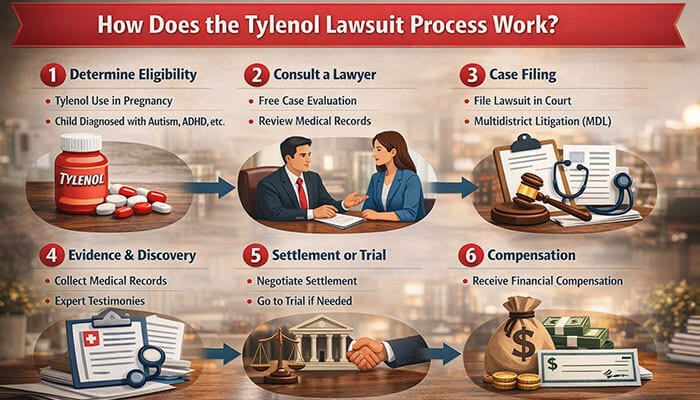
How Does the Tylenol Lawsuit Process Work?
Filing a Tylenol lawsuit involves several critical steps:
1. Consultation with an Attorney
The first step is to consult with a Tylenol lawsuit lawyer who specializes in pharmaceutical litigation. They will evaluate your case, assess the strength of your claim, and explain the potential outcomes.
2. Gathering Evidence
Your lawyer will help gather all necessary medical records, product usage details, and any other evidence to prove that Tylenol caused your health problems.
3. Filing a Claim
Once you have sufficient evidence, your lawyer will file a formal claim. This can either be an individual lawsuit or a class action lawsuit, depending on the specifics of the case.
4. Settlement or Trial
Many Tylenol lawsuits are settled out of court, but some may go to trial. Your lawyer will negotiate with the defendant’s legal team to ensure you receive fair compensation for your injuries.
Do You Need a Lawyer for a Tylenol Lawsuit?
While it is possible to file a lawsuit on your own, hiring an experienced Tylenol lawsuit lawyer significantly increases your chances of success. Lawyers specializing in these types of cases understand the complexities of pharmaceutical law and can help you navigate the complicated legal processes.
A skilled lawyer will:
- Guide you through every step of the lawsuit.
- Ensure that your claim is filed within the appropriate time frame.
- Negotiate with insurance companies and defendants to secure fair compensation.
- Help maximize your settlement to cover medical expenses, lost wages, and pain and suffering.
How Much Can You Expect from a Tylenol Lawsuit?
The amount of compensation you may receive from a Tylenol lawsuit varies depending on the severity of your injuries and the strength of your case. Factors that influence the settlement include:
- Medical expenses: Past and future treatment costs for injuries caused by Tylenol.
- Lost wages: Compensation for time missed from work due to your injuries.
- Pain and suffering: Compensation for the physical and emotional pain caused by the Tylenol-related injury.
- Punitive damages: In some cases, if the manufacturer acted with gross negligence, punitive damages may be awarded.
Tylenol Lawsuit Timeline:
If either party appeals, the case is reviewed by a higher court.
- Initial Consultation (1-2 weeks): Speak with a lawyer to assess your case.
- Case Investigation (3-6 months): Lawyers collect evidence and review medical records.
- Filing the Lawsuit (1-3 months): The official filing of the lawsuit in court.
- Discovery Process (6-12 months): Both sides exchange evidence and information.
- Settlement Negotiations (3-6 months): Efforts to settle the case before going to trial.
- Trial (1-2 years): If no settlement is reached, the case goes to trial.
A Tylenol lawsuit typically takes 1 to 3 years to resolve, depending on the complexity and circumstances. Consult with a lawyer to better understand your case.
Common Questions About Tylenol Lawsuits
1. How do I know if I have a case?
Ans: If you’ve suffered from health complications due to Tylenol use, you should consult with a lawyer. They will review your medical history and help determine if you have a valid claim.
2. Can I file a Tylenol lawsuit without a lawyer?
Ans: While you can technically file a lawsuit without legal representation, it’s highly recommended to hire an experienced lawyer. A legal expert will ensure that you follow proper procedures and maximize your compensation.
3. How long do I have to file a Tylenol lawsuit?
Ans: In most states, you have two to three years from the date of the injury or discovery of the harm to file a Tylenol lawsuit. This is known as the statute of limitations.
Conclusion
If you or a loved one has been harmed by Tylenol or acetaminophen, it is important to explore your legal options. A Tylenol lawsuit may provide compensation for medical bills, lost wages, and pain and suffering. By hiring an experienced lawyer, you increase your chances of receiving a favorable outcome. Contact a Tylenol lawsuit lawyer today to schedule a consultation and take the first step toward justice.
Disclaimer: The information in this article is for general purposes only and does not constitute legal advice. For personalized legal guidance regarding a Tylenol lawsuit, consult with a qualified attorney.