



Workplace injuries rarely happen without warning signs. One of the most overlooked causes is poor or incomplete workplace safety training. For many workplace accident victims, the problem started long before the injury occurred.
The Overlooked Value of Practical Safety Training
Safety training is more than a checklist in high-risk jobs, like construction, factories, and warehouses. It gives workers the tools to recognize hazards, use equipment correctly, and respond under pressure. When that training is incomplete or poorly delivered, employees are left to figure things out on their own. That’s when avoidable mistakes happen. Even when workers have experience in these industries, having consistent guidance keeps hazardous environments from having serious accidents.
Real Training Goes Beyond Paperwork
It’s important that safety training doesn’t become a formality. Having employees watch a short video and sign that they’ve read the protocol is not enough to give your team the confidence to know how the job is actually done. That approach may satisfy recordkeeping requirements, but it does little to reduce risk.
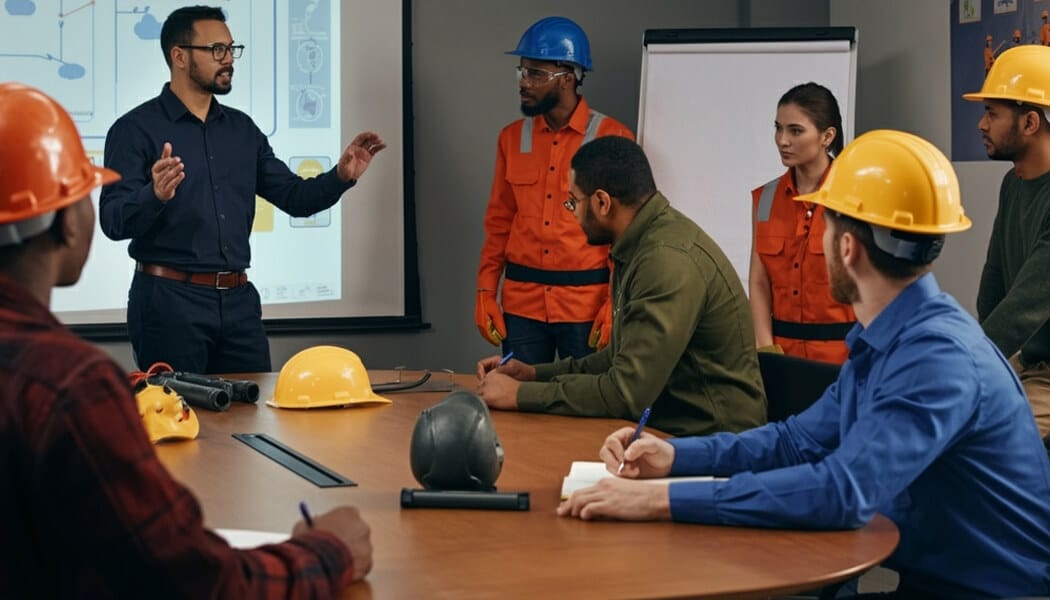
Effective training looks different. It includes hands-on demonstration, time to ask questions, and opportunities to practice tasks in a controlled setting. When workers understand not just what to do but why it matters, they are far better prepared to avoid mistakes that lead to injuries.
New Hires Face the Greatest Risk
New employees are especially vulnerable to poor training. They may feel pressure to keep up or avoid asking questions. Incomplete instruction leaves them exposed. Many injuries happen in the first weeks on the job. This is when workers are still learning routines. Proper onboarding can prevent many of these incidents.
When Safety Training Misses the Real-World Work
Training that sounds effective in a classroom often does not hold up on the job. The risks in a warehouse are different from those on a construction site or in a commercial kitchen. Each environment brings specific challenges, whether it involves heavy machinery, working at heights, or handling hot surfaces and sharp tools.
Applying the same training across different roles leaves important gaps. Safety instruction needs to reflect the actual tasks workers perform. The layout of the workspace, the equipment in use, and the materials involved all shape what training is needed. When those factors are overlooked, workers are more likely to feel uncertain and make preventable errors.
Language and Communication Barriers
Training only protects people if they actually understand it. When there is a language gap, important instructions can turn into guesswork, nodding along, or copying someone else. That becomes especially risky in loud, fast-paced workplaces where mistakes happen quickly.
Employers must ensure training is accessible. This may include translations or hands-on demonstrations. Clear communication saves lives.
Outdated or Infrequent Training
Safety procedures change over time. Equipment updates and new materials create new risks. Training must keep pace. Outdated instruction can be just as dangerous as none at all. Workers may rely on old habits. Regular refreshers help prevent this.
Lack of Hands-On Practice
Watching a slideshow is not the same as learning a task. Many workers get hurt because they were never shown how to do the job safely with real tools and real conditions. Hands-on practice builds confidence and muscle memory.
Practice also gives trainers a chance to spot problems early. A worker might misunderstand a step or take an unsafe shortcut without realizing it. When that gets corrected right away, it can prevent a serious accident later.
Supervisors Play a Critical Role
Supervisors often act as the bridge between policy and practice. If they are not trained well, others suffer. Poor supervision compounds training failures. Supervisors should model safe behavior. They should also encourage questions. Leadership sets the tone for safety culture.
Pressure to Work Faster Than Training Allows
Even good training can fall apart when the workplace is pushing for speed. Workers may be told to move faster, skip steps, or “just figure it out” to keep production going. That kind of pressure teaches people that hitting numbers matters more than doing the job safely.
When speed matters more than safety, injuries follow. Training must be supported by realistic expectations. Otherwise, instruction becomes meaningless.
Inconsistent Enforcement of Safety Rules
Enforced rules sometimes create confusion. Workers may not know when safety matters. Inconsistency breeds complacency. Clear and consistent enforcement reinforces training. It shows that safety is not optional. Consistency builds trust.
How Inadequate Training Shows Up After an Injury
After an accident, the gaps often come into focus quickly. A worker might say no one showed them the right way to do the task or that they were trained on something different than what they were actually assigned. Others describe getting rushed through training or being handed equipment with little explanation.
Documentation may also be lacking. Training records may be incomplete or outdated. These gaps raise serious concerns.
Legal and Financial Consequences for Employers
Inadequate training can expose employers to liability. Injuries tied to poor instruction may lead to claims. Prevention is far less costly than litigation. Beyond legal risk, injuries affect morale and productivity. Replacing injured workers is expensive. Investing in training protects everyone.
What Workers Can Do When Training Falls Short
Workers should speak up when training feels inadequate. Asking questions is a form of self-protection. Silence can be dangerous. Documenting concerns also matters. Written records can show that issues were raised. This can be important later.
Final Thoughts
Inadequate safety training is a preventable cause of workplace injuries. Clear instruction, practice, and follow-through make a real difference. For workplace accident victims, understanding how training failed is often a key step toward accountability and recovery.