

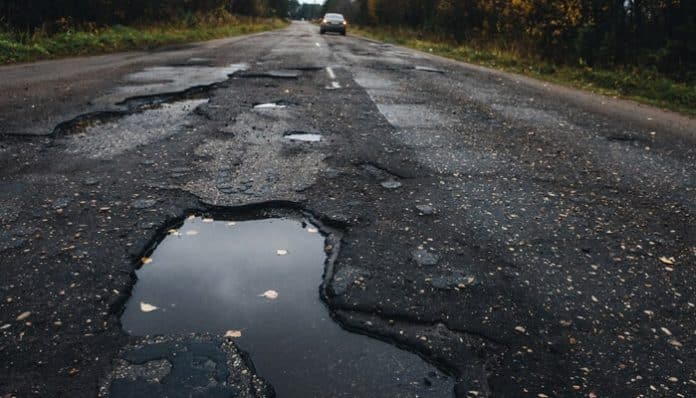

Riding at night is one of the most peaceful experiences a motorcyclist can have, but that serenity vanishes the second your front tire disappears into a deep, invisible crater. When you are cruising down a dark road and hit a massive pothole, the bike often reacts violently, leading to high-side flips or losing the front end entirely. In the chaotic aftermath of a wreck, you are likely dealing with road rash, broken bones, or a totaled bike while wondering how this could even happen on a public road. Filing a pothole injury claim can be a crucial step in seeking compensation for your injuries. Finding reliable support for riders hurt in traffic accidents is the first step toward recovery, but understanding who is actually responsible for that hole in the ground is a much more complicated puzzle.
Why Potholes Are Deadly for Riders
For a car, a pothole is usually just a loud thud and maybe a blown tire. For a motorcyclist, it is a vertical obstacle that can change your trajectory in a fraction of a second. At night, your depth perception is naturally reduced, and the shadows cast by your headlight can actually hide the depth of a dip in the pavement.
When you hit a pothole, the sudden compression of your suspension can cause the bike to bottom out. This often results in a “tank slapper,” where the handlebars jerk uncontrollably from side to side. If the impact is hard enough, it can bend your rim instantly, causing a sudden loss of tire pressure and sending you sliding across the asphalt.
Determining Who Is at Fault
The big question everyone asks is, can I sue the city? The answer is usually yes, but it comes with a lot of red tape. Generally, the government entity responsible for maintaining the road (whether it is the city, county, or state) has a duty to keep the streets in a reasonably safe condition.
However, they are not automatically guilty just because a pothole exists. To win a claim, you typically have to prove that the government knew about the pothole and failed to fix it within a reasonable amount of time. If five people called to report that exact hole three weeks ago and nothing was done, you have a strong case. If the hole opened up two hours before you hit it, the legal battle becomes much steeper because the city will claim they didn’t have “notice” of the hazard.
Evidence You Need to Collect Immediately
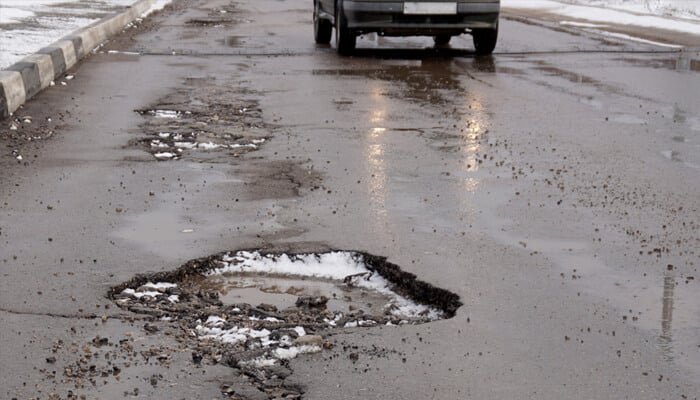
Since the “notice” factor is so important, you need to gather as much proof as possible before the city sends a crew out to patch the hole the next morning. If you are physically able, take photos of the pothole immediately. Use an object like a soda can or your glove next to it to show the scale of the depth.
Look for street lights that might be burned out nearby, as poor lighting contributes to why you couldn’t avoid the hazard. You should also check for any witnesses or nearby businesses that might have security footage of the street. Documentation from a mechanic is also vital, as they can verify that the specific type of damage to your rims or forks is consistent with a high-impact road defect rather than a standard low-side slide.
The Role of Comparative Negligence
Be prepared for the insurance companies or the city attorneys to point the finger back at you. They will often argue that if you had been going slower or paying more attention, you would have seen the hazard. This is known as comparative negligence.
In many states, if a jury decides you were 20 percent at fault for the crash, your total payout is reduced by 20 percent. This is why having a clear record of your speed and the road conditions is so important. If you were riding safely and the pothole was simply invisible due to the angle of the road or poor lighting, you shouldn’t have to shoulder the financial burden of the city’s poor maintenance.
Navigating the Claims Process
Filing a claim against a government entity is nothing like filing a claim against another driver. There are often very strict “statutes of limitations” for government claims. In some jurisdictions, you might only have 30 to 90 days to file a formal notice of claim. If you miss this window, you might lose your right to any compensation forever.
You also need to keep a detailed log of your medical treatments. Pothole accidents often lead to “hidden” injuries like concussions or soft tissue damage in the neck and back that might not feel severe until a few days after the adrenaline wears off. Don’t skip the doctor visit just because you think you “just have a few bruises.”
Final Word: Moving Forward After the Crash
Wrecking your bike because of a neglected road is incredibly frustrating, but you do not have to navigate the legal and physical recovery alone. Taking the right steps early on ensures that the party responsible for the road’s upkeep is held accountable for their negligence. Getting the right support for riders hurt in traffic accidents can make the difference between paying for a new bike out of your own pocket and getting the settlement you deserve to get back on two wheels.