

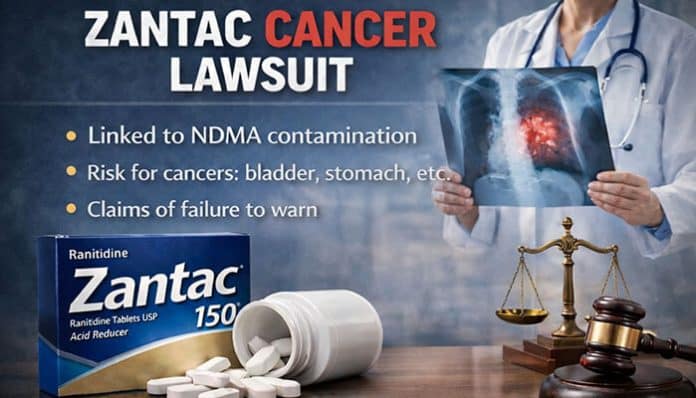

The Zantac cancer lawsuit has gained significant attention as individuals claim that the popular heartburn medication caused them serious health issues due to contamination with NDMA (N-nitrosodimethylamine), a potential carcinogen.
This article will break down everything you need to know about the Zantac cancer lawsuit, including eligibility for claims, compensation potential, and how to file.
What is the Zantac cancer lawsuit?
The Zantac cancer lawsuit involves individuals who have developed cancer after using Zantac or its generic version, ranitidine. NDMA, a chemical found in Zantac, is linked to various cancers, including those affecting the bladder, stomach, esophagus, and more.
Key Points:
- NDMA Contamination: NDMA is a probable human carcinogen.
- Drugs Involved: Zantac (brand) and ranitidine (generic version).
- Cancer Types: Bladder cancer, stomach cancer, esophageal cancer, liver cancer, and more.
Zantac Cancer Lawsuit Eligibility
If you were diagnosed with cancer and have used Zantac or ranitidine, you might be eligible to file a lawsuit. To determine your eligibility, the following criteria are important:
Eligibility Checklist:
- Cancer Diagnosis: Must have been diagnosed with a cancer linked to NDMA exposure (bladder, stomach, liver, etc.).
- Zantac Use: Must have used Zantac or ranitidine for a certain period (usually months or years).
- NDMA Exposure: Evidence that NDMA was present in the medication during your use.
Common Cancer Types Linked to Zantac:
| Cancer Type | Link to Zantac |
| Bladder Cancer | Most commonly associated with NDMA exposure |
| Stomach Cancer | Linked to long-term exposure to NDMA |
| Esophageal Cancer | Risk increases with regular Zantac use |
| Liver Cancer | Associated with NDMA toxicity |
| Colorectal Cancer | Possible link with prolonged exposure to Zantac |
The Role of Zantac Lawsuit Lawyers
Hiring a lawyer experienced in Zantac cancer lawsuits is critical for ensuring that you follow the proper legal processes. These lawyers specialize in cases involving NDMA contamination and cancer claims.
Why You Need a Lawyer:
- Expertise: Lawyers familiar with the Zantac cancer lawsuits can guide you through the legal complexities.
- Increased Chance of Success: Lawyers can collect and present the necessary evidence, such as medical records and NDMA test results.
- No Upfront Costs: Many Zantac lawsuit lawyers work on a contingency fee basis (only paid if you win).
Zantac Lawsuit Compensation and Settlement Amounts
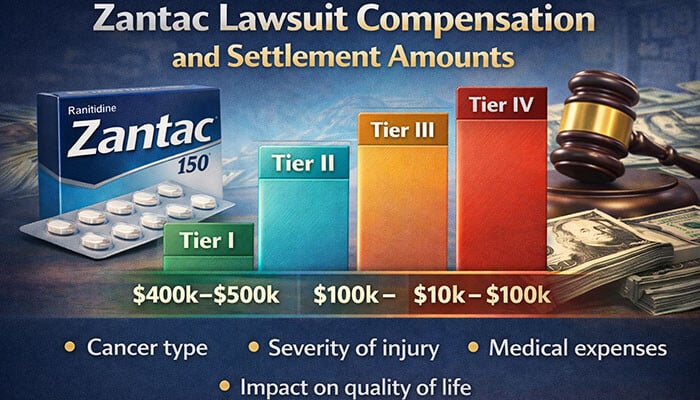
The compensation in Zantac lawsuits can vary widely, depending on factors like cancer type, the extent of harm, and evidence of NDMA exposure.
Potential Compensation Factors:
- Type of Cancer: Cancers like bladder or stomach cancer may result in higher settlements.
- Severity of Disease: Late-stage cancers or those causing significant health deterioration may warrant larger settlements.
- Medical Expenses: Costs associated with treatment, medications, and surgeries are factored into the compensation.
Average Settlement Amounts:
| Cancer Type | Average Settlement Range |
| Bladder Cancer | $500,000 – $1.5 million |
| Stomach Cancer | $300,000 – $1 million |
| Esophageal Cancer | $400,000 – $1 million |
| Liver Cancer | $500,000 – $2 million |
How to File a Zantac Cancer Lawsuit
Filing a Zantac cancer lawsuit involves several steps, and it’s crucial to understand the process to maximize your chances of success.
Steps to File:
- Consult with a Lawyer: Find a lawyer who specializes in Zantac lawsuits.
- Gather Evidence: Collect medical records, proof of Zantac usage, and any NDMA testing information.
- File Your Lawsuit: Your lawyer will file your case in the appropriate court.
Documentation Required for Filing:
| Document | Purpose |
| Medical Records | To prove cancer diagnosis and treatment |
| Prescription Records | To show the duration of Zantac use |
| NDMA Test Results | To link cancer to Zantac NDMA exposure |
Zantac Lawsuit Status and Updates
As of now, several Zantac lawsuits are ongoing, with many in the discovery phase. Legal teams are gathering evidence to prove that NDMA contamination in Zantac led to cancer in users.
Recent Legal Developments:
- Settlement Negotiations: Some Zantac lawsuits are moving toward settlement, with pharmaceutical companies offering compensation to victims.
- Pending Trials: Some cases are still heading toward trial, where the court will determine the final outcome.
Zantac Lawsuit Statute of Limitations
The statute of limitations for filing a Zantac cancer lawsuit is time-sensitive. The clock starts ticking either from the time of your cancer diagnosis or when you became aware of the link between Zantac and your illness.
Statute of Limitations Breakdown:
| State | Statute of Limitations |
| California | 2 years from diagnosis |
| New York | 3 years from diagnosis |
| Texas | 2 years from the discovery of the link |
| Florida | 4 years from diagnosis |
Zantac Cancer Lawsuit and NDMA Litigation
The core of the Zantac cancer lawsuits is the presence of NDMA, a carcinogen, in Zantac and its generics. This legal challenge focuses on proving the relationship between NDMA exposure and cancer development.
NDMA Litigation Details:
- NDMA Testing: Numerous tests have shown that Zantac contains NDMA, which increases over time and at higher temperatures.
- Manufacturers’ Responsibility: The legal question is whether the manufacturers failed to adequately warn consumers about NDMA contamination risks.
Zantac Personal Injury Claims
In addition to cancer-related claims, Zantac personal injury lawsuits are filed by individuals who have suffered long-term health consequences due to the drug’s toxicity.
Types of Personal Injury Claims:
- Chronic Health Conditions: Injuries that do not necessarily involve cancer but cause long-term health issues.
- Financial Compensation: Victims can claim compensation for medical expenses, lost wages, and pain and suffering.
Conclusion
If you believe that your cancer or health condition is linked to Zantac use, it’s crucial to take action. The Zantac cancer lawsuit offers the opportunity to seek justice and compensation. Speak with an experienced lawyer to understand your rights, file your lawsuit, and explore potential compensation.
Frequently Asked Questions (FAQs)
1. What is the Zantac cancer lawsuit?
Ans: It involves claims that Zantac (or ranitidine) caused cancer due to NDMA contamination.
2. What cancers are linked to Zantac use?
Ans: Bladder, stomach, esophageal, liver, and colorectal cancers.
3. How much compensation can I get?
Ans: Compensation varies, with settlements ranging from $300,000 to $2 million, depending on the cancer type and severity.
4. How do I file a Zantac lawsuit?
Ans: Consult a lawyer, gather medical records, and file your case.
5. What is the statute of limitations?
Ans: It varies by state, typically ranging from 2 to 4 years from diagnosis or discovery of the link.
6. What are personal injury claims?
Ans: Claims for long-term health issues related to Zantac, even if cancer isn’t involved.
7. What is NDMA?
Ans: NDMA is a carcinogen found in Zantac, linked to cancer.