

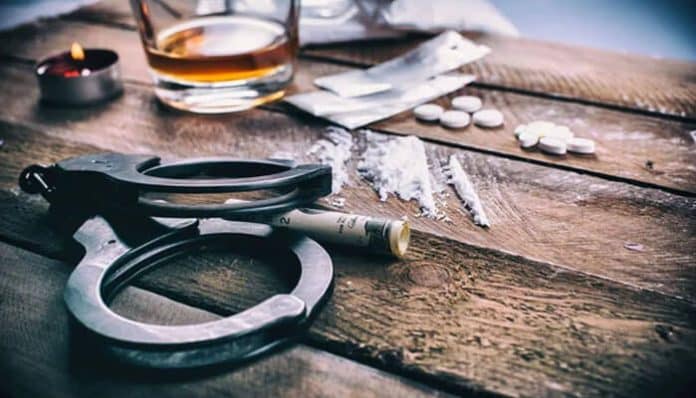

The legal landscape surrounding controlled substances in California is currently in a state of significant flux. Following the passage of Proposition 36 in November 2024, the state has moved toward a “treatment-mandated” felony approach for repeat offenders, signaling a shift in how courts handle long-term drug issues. Whether you are facing a misdemeanor for simple possession or a complex felony for possession with intent to sell, the consequences can be life-altering. In cases involving possession vs distribution under California law, securing professional legal help with possession or distribution cases is the most critical step a defendant can take to protect their rights and explore alternatives to incarceration.
Under California law, the distinction between simple possession and distribution often hinges on more than just the quantity of the substance found. While the amount is a primary factor, prosecutors also look for “indicia of sale,” which can include scales, packaging materials like small plastic baggies, large amounts of cash, or multiple cellular devices. Without an experienced advocate to challenge the interpretation of this evidence, a relatively minor possession case can be elevated to a serious distribution charge.
The Objective of Personal Injury and Restorative Damages
While the concept of being made “whole” is most commonly discussed in civil personal injury cases, it has found its way into the criminal justice system through restorative justice and diversion programs. When a claim or case is resolved through these alternative paths, the goal is to address the root cause of the behavior, often addiction or mental health issues, and return the individual to a productive state in society.
A successful resolution through a diversion program may involve:
- Court-Mandated Treatment: Professional rehabilitation for substance abuse or mental health conditions.
- Educational Programs: Job training and life-skills courses to reduce the risk of recidivism.
- Dismissal of Charges: Upon successful completion of treatment, many California courts will dismiss the original charges, preventing a permanent criminal record.
- Supportive Supervision: Regular check-ins with case workers to ensure long-term stability and success.
Each case is different, and the availability of these programs depends on the severity of the charge and its long-term impact on the community. For those facing their first or second non-violent possession charge, these rehabilitative paths are often the best way to move forward.
Understanding the Legal Thresholds: Possession vs. Distribution

The California Health and Safety Code (HSC) outlines specific statutes for different drug-related activities. HSC 11350 typically covers simple possession for personal use, which remains a misdemeanor for most first-time offenders. However, once intent to sell is suspected, the charge moves to HSC 11351, which is a straight felony that carries significant prison time and high fines.
With the 2025 updates to state law, fentanyl has been singled out for even harsher “weight enhancements.” If a distribution case involves more than a few grams of fentanyl, the potential prison sentence can be extended by several years under new mandatory sentencing guidelines. Furthermore, the “Watson” advisement is now required for many drug convictions, warning defendants that if they continue to distribute “hard drugs” and someone dies, they could be charged with murder.
Final Thoughts
The transition of California’s drug laws in 2025 means that the “wait and see” approach is no longer viable. While the state offers robust treatment-mandated paths, the penalties for distribution, especially involving fentanyl, have become increasingly punitive. By understanding the nuances of your charges and proactively seeking a rehabilitative resolution, you can protect your future from the lasting stigma of a felony conviction. Securing legal help with possession or distribution cases early is not just a legal choice; it is a vital step toward long-term recovery and freedom.