

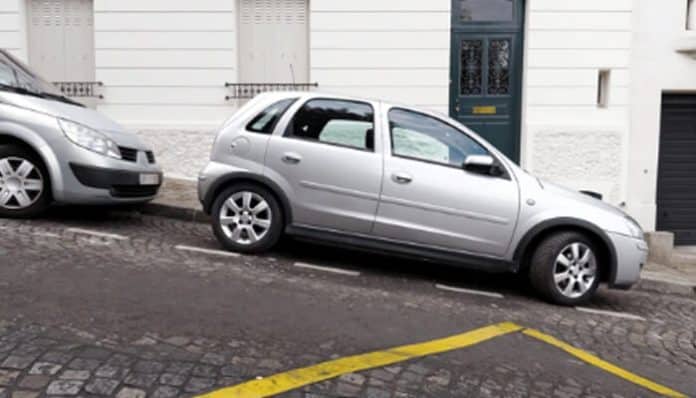

Most of us think nothing of walking from the house to the car, especially on a quiet morning or after a long day. It seems routine, simple, and safe. But sometimes accidents happen in the blink of an eye, and that is when the lawyers at Hersh Kirtman can make a difference. Even familiar spaces, like the area under your eaves, can hide unexpected hazards that lead to serious injury. Parking under the eaves may seem harmless, but paying attention to these everyday risks can help you avoid a moment that changes everything.
What are Eaves and Why Do They Matter
Eaves are the edges of a roof that extend beyond the walls of a house, often overlooked in daily life. They can create hidden hazards like dripping water, ice, or falling debris that make walking underneath risky. Paying attention to these small but dangerous areas can prevent accidents before they happen.
Common Accidents that Happen Under the Eaves
Everyday walks under the eaves can hide unexpected dangers. Here are some of the most common accidents that happen in these areas:
1. Slips and Falls
Wet leaves, ice, or puddles often collect near the eaves and can make surfaces extremely slippery. Even a small misstep can lead to sprains, broken bones, or more serious injuries.
2. Impact Injuries from Falling Objects
Gutters, icicles, or loose roof materials can fall without warning. Being hit by even a small object can cause cuts, bruises, or head injuries.
3. Tripping Hazards
Uneven sidewalks, garden edges, or hidden steps under the eaves are easy to miss. A simple trip can result in a painful fall and potentially serious harm.
4. Sudden Surprises from Weather
Rain dripping from eaves or snow falling unexpectedly can startle someone and cause them to lose balance. These moments are brief but can have lasting consequences if they lead to a fall.
5. Injury from Carrying Items
Carrying groceries, bags, or other items while walking under eaves can block your view of hazards. This increases the risk of tripping or slipping without realizing it.
Why Property Owners Might Be Liable
Property owners have a responsibility to keep areas around their homes safe for visitors. When hazards go unaddressed, accidents can happen, and the law may hold owners accountable. Here are some ways liability can come into play:
Failure to Maintain Safe Walkways
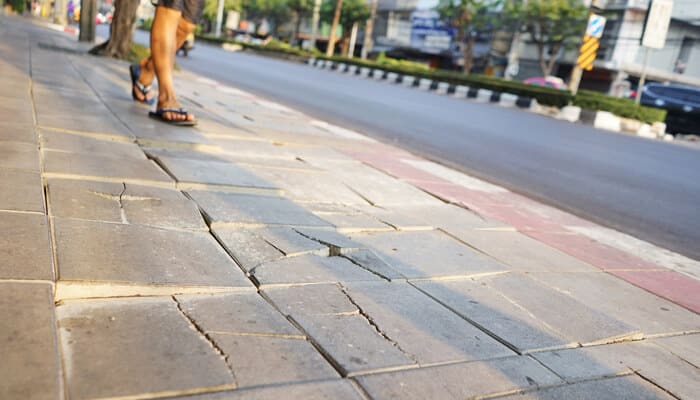
In case ice, water, or debris remains on paths under the eaves, a property owner may be held accountable for the accidents that result. Thorough upkeep and immediate cleaning not only make the area safe but also lessen the possibility of legal issues.
Neglecting Repairs
Broken gutters, loose roof materials, or damaged steps can create dangerous conditions. Ignoring these issues puts visitors at risk and may make the property owner liable if someone gets hurt.
Lack of Warning Signs
Even minor hazards, like slippery areas or uneven surfaces, should be clearly marked. Failing to warn visitors about obvious dangers can lead to preventable accidents and legal consequences.
Ignoring Weather-Related Hazards
Snow, ice, or heavy rain can make the space under eaves particularly hazardous. Property owners are expected to take reasonable steps to address these conditions or alert visitors to potential risks.
General Duty of Care
Property owners are expected to act reasonably to prevent foreseeable harm. This means staying alert to potential hazards and addressing them before someone gets injured.
Steps to Protect Yourself
Even familiar spaces can have hidden dangers, but there are simple steps you can take to stay safe. Here are some practical ways to protect yourself when walking under the eaves:
Watch Your Step
Pay attention to the surface you are walking on and take your time. Proper shoes with good traction can make a big difference, especially in wet or icy conditions.
Be Aware of Surroundings
Look up as well as down to spot potential hazards like loose gutters or falling debris. Staying alert can help you avoid accidents before they happen.
Clear the Area if Possible
Remove leaves, snow, or ice from paths when you can. Even small efforts can reduce the risk of slipping or tripping.
Alert Property Owners
If you notice hazards that could injure someone, let the property owner know. Many accidents happen simply because owners are unaware of the danger.
Know Your Rights
If an accident does occur, you may have legal options to recover compensation for injuries. Consulting a personal injury lawyer can help you understand the steps to protect yourself.
When to Contact a Lawyer
Knowing when to reach out to a lawyer can make a big difference after an accident. Here are some situations where getting legal guidance is a smart move:
Serious Injuries
If you suffer broken bones, head injuries, or other significant harm, it is important to consult a lawyer. They can help ensure you receive the compensation you need for medical care and recovery.
Disputed Liability
When there is uncertainty about who is responsible for the accident, a lawyer can investigate and gather evidence. This helps clarify responsibility and strengthens your case if a claim is necessary.
Insurance Challenges
If an insurance company is denying or minimizing your claim, legal support can level the playing field. Lawyers know how to negotiate and advocate effectively for fair compensation.
Lost Wages or Long-Term Impact
Injuries that prevent you from working or affect your daily life may have lasting financial consequences. A lawyer can help calculate damages and pursue compensation that accounts for future needs.
Need for Guidance
Even if the accident seems minor, speaking with a lawyer can provide peace of mind. They can explain your rights and help you make informed decisions about your next steps.
Everyday Safety Matters
Accidents under the eaves can happen to anyone, even during a simple walk to the car. Staying aware of hazards and taking basic precautions can prevent many injuries, but sometimes accidents are unavoidable. When they do occur, the lawyers at Hersh Kirtman can help guide you through your options and ensure you receive the support you need.