

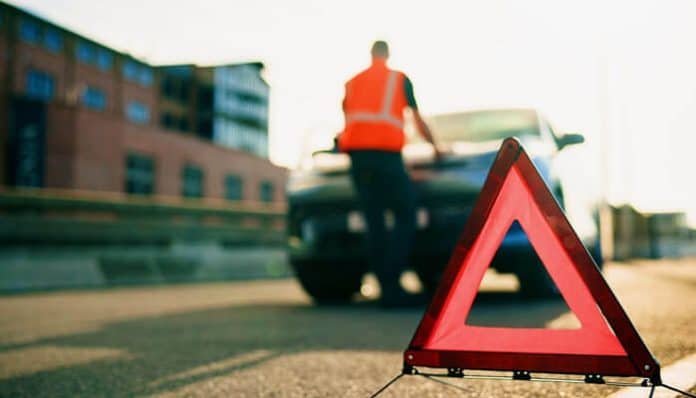

We have all felt that sudden jolt of adrenaline when a dashboard light flickers on or the engine starts making a sound like a bag of bolts in a blender. It is terrifying to realize your vehicle is failing while you are surrounded by semi-trucks going seventy miles per hour. If your car starts acting up, your priority is to get out of traffic without causing a pileup. If things go south and you find yourself in a wreck due to another driver’s negligence during this process, you might end up needing an auto collision injury lawyer to sort out the mess, but let us focus on preventing that from happening in the first place.
The Gold Standard: The Right Shoulder
The right shoulder is the traditional haven for a reason. In most highway designs, the right side offers more room and a clearer path away from the high-speed “fast lanes” on the left. When you feel the car stuttering, do not wait for it to die completely. Signal early and move over gradually.
Once you are on the shoulder, try to pull as far to the right as possible. If there is a grassy patch or a flat dirt area beyond the paved shoulder, use it. Your goal is to put as much literal distance as possible between your driver’s side door and the white line.
The “Point of No Return” Strategy: Finding an Exit
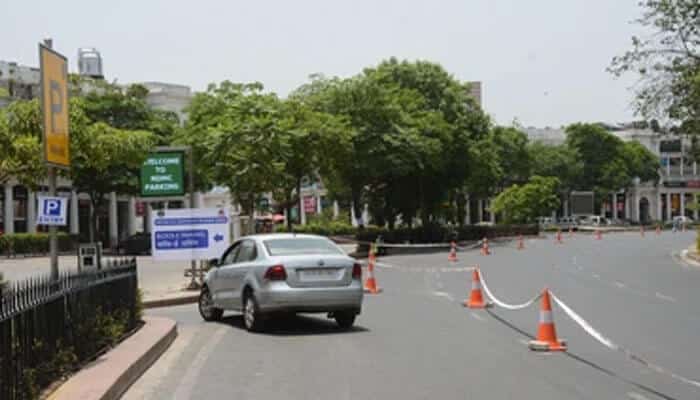
If your car is still moving, even if it is chugging and wheezing, try to make it to the next exit. A parking lot or even a quiet side road is infinitely safer than the side of a highway.
Highway shoulders are deceptive. While they look like a safe harbor, they are actually high-risk zones where “rubbernecking” or distracted drivers can easily drift into your stationary vehicle. If you can limp the car down a ramp and into a gas station, do it. It saves you the stress of standing in the path of roaring traffic while you wait for a tow truck.
What to Do if You are Stuck on the Left
Getting stuck on the left shoulder is a nightmare scenario. It is usually narrower, and you are trapped right next to the fastest lane. If your car dies in the left lane and you cannot coast to the right, pull as tight to the center divider as possible.
In this situation, staying in the car with your seatbelt on is often debated, but many safety experts suggest it is safer than sprinting across four lanes of traffic. If you must exit the vehicle, do so only when there is a massive gap in traffic, and move toward the median wall or a guarded area.
Visibility is Your Best Friend
The moment you realize you need to stop, hit your hazard lights. This is the universal language for “I am a hazard, please do not hit me.” Even in broad daylight, those blinking orange lights help drivers see you from much further away.
If you have road flares or reflective triangles in your trunk, now is the time to use them. Place them well behind your vehicle to give oncoming drivers a heads-up. If it is dark out, keep your interior dome light on as well. The more you look like a glowing Christmas tree, the less likely someone is to overlook your parked car.
Dealing with the Aftermath
Once the car is stopped and the hazards are on, your job is not over. If the car is on the shoulder, it is generally safest to exit through the passenger side door and stand well away from the pavement, preferably behind a guardrail.
Never stand directly behind or in front of your car, as a rear-end collision could pin you between vehicles. Always err on the side of caution.
Final Word
Mechanical failures are stressful, but they become life-changing disasters when they lead to accidents. If you were hit while trying to navigate a breakdown safely, a qualified auto collision injury lawyer can help you navigate the legal hurdles of insurance and liability. For now, stay calm, stay visible, and keep your eyes on the traffic until help arrives.