

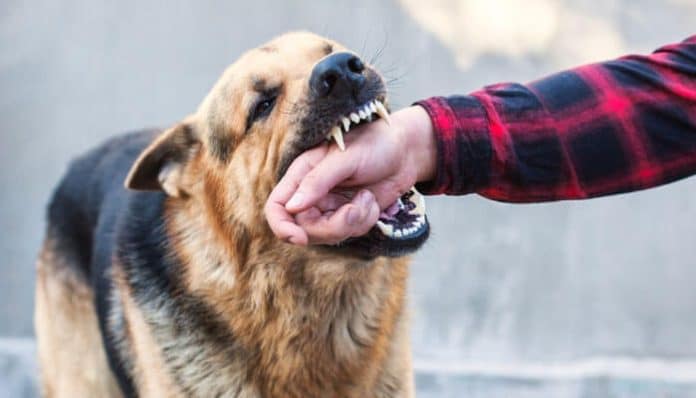

Dog bites are a serious concern, not only because of the physical harm they can cause but also due to the legal complexities involved. A dog bite lawyer specializes in handling cases where an individual has been attacked by a dog, and they can help ensure that the victim receives the proper compensation. Whether it’s for medical expenses, emotional distress, or long-term care, a dog bite lawyer plays a crucial role in guiding the victim through the legal process.
In this article, we’ll cover what a dog bite lawyer does, the legal steps involved, what compensation you can expect, and how to select the right lawyer for your case. If you or someone you know has suffered from a dog bite, this guide will give you the necessary information to make informed decisions about your next steps.
What Is Dog Bite Liability?
Dog bite liability studies provide essential information that allows people to understand the legal processes that exist in dog bite cases. The dog owner must accept responsibility for all actions that their dog performs. Courts in most jurisdictions use two primary legal theories to determine dog bite cases.
Every state establishes its own dog bite laws, yet common legal principles remain applicable across all jurisdictions. Liability rules should be understood by you because they help you determine your case’s eligibility for compensation.
1. Strict Liability:
Some states follow a strict liability rule, which means that a dog owner is responsible for injuries caused by their dog, regardless of whether the dog had a history of aggression or whether the owner was negligent. In these states, the victim doesn’t need to prove that the owner was at fault — the mere fact of the attack is enough to establish liability.
2. Negligence:
Dog owners in other states face liability only when their dogs escape because they failed to control their animals. The dog owner will face negligence charges because they knew or should have known about their dog’s dangerous behavior. The victim needs to demonstrate that the owner did not implement suitable security measures that would have prevented the attack.
3. One-Bite Rule:
Some states apply a “one-bite” rule, which means a dog owner may not be held liable for the first bite, unless the dog had previously shown aggression or the owner was aware of the dog’s dangerous tendencies. After the first bite, the dog is considered dangerous, and the owner may be held accountable.
4. Statutory Laws and Local Ordinances:
Many cities or counties have their own laws about dog ownership and control. The laws establish regulations that determine how dogs must be kept to prevent attacks, which then helps to establish legal responsibility in dog bite incidents.
Steps to Take Immediately After a Dog Bite
If you or a loved one has been bitten by a dog, it’s essential to act quickly to protect your health and strengthen your potential legal case. Here are the immediate steps you should take:
1. Seek Medical Attention
Your health should always be the top priority. People should visit a doctor when they experience an injury because all injuries require medical assessment. Dog bites carry serious dangers because they can transmit infections, which include rabies and tetanus.
2. Report the Bite
You need to notify local authorities about the incident, which requires you to contact either animal control or your local police department,t because the dog lacks vaccination and has prior aggressive behavior. The report establishes an official record that documents what happened during the event.
3. Document the Incident
Take detailed notes about the dog and the incident, including the breed of the dog, the circumstances of the attack, and the location where it occurred. The contact information of witnesses who saw the event should be gathered.
4. Take Photos of the Injury
Take photographs of the wound with high-quality images so that you have more evidence should you decide to take the advice or be drawn into a certain legal mess.
Types of Injuries from Dog Bites & Medical Concerns
Dog bite injuries can vary widely, but they can be severe and require extensive medical care. Here are some common injuries and medical concerns associated with dog bites:
1. Puncture Wounds: Dogs use their teeth to create deep puncture wounds, which can result in bacterial infections. Even if the wound doesn’t appear serious, it can become infected and cause significant health issues. Medical attention is needed to clean and treat the wound properly.
2. Lacerations and Tears: More serious bites can cause lacerations, tears, or avulsions (where the skin is torn away from the body). The severity of these injuries determines whether surgical treatment and stitches become necessary for their repair.
3. Nerve Damage: Severe bites result in nerve damage, which produces permanent symptoms that include numbness, tingling, and weakness. The condition of nerve damage may become permanent in some patients who will need continuous treatment.
4. Facial Injuries: Dog bites to the face, especially in children, can result in permanent facial injuries that need reconstructive surgery. Facial injuries cause both physical and psychological harm, which can become permanent damage to a person’s self-worth and psychological state.
5. Infections and Rabies: Dog bites create the possibility of infection transmission, which includes rabies when the dog has not received its required vaccinations. Rabies transmission occurs through the saliva of infected animals, and this deadly disease requires immediate medical intervention.
6. Psychological Trauma: In addition to their physical injuries, dog bites create deep emotional scars that particularly affect children and people who develop a fear of dogs. The victims require psychological counseling or therapy as essential support to achieve their emotional recovery.
How to Properly Document the Incident
Documentation is important when building a good case. Here’s what you can do to find the evidence:
1. Medical Records
You should maintain records of all medical treatments you receive after the attack, which should include your doctor appointments, all the medications you take, the surgeries you undergo, and the times you are hospitalized.
2. Photographs
Take clear photos of the wound immediately after the attack and during the recovery process. The photos must show both the injury and the complete state of the surrounding area.
3. Witness Statements
If there were any witnesses to the attack, ask them to provide written statements about what they saw. Your case will become stronger through witness accounts, which will help establish the actual events that took place.
4. Dog Owner Information
The ability to obtain dog owner information, including their name and contact details, and complete dog vaccination records, as well as information about any previous dog bites, should be established.
How a Dog Bite Lawyer Helps File a Claim
1. Seek Medical Attention:
The first priority after a dog bite is to seek medical care. The bite appears minor but requires medical evaluation to prevent infections and receive proper treatment. All injury-related treatments and medications need to be documented.

2. Report the Incident:
File a report with local authorities or animal control. The report will help establish incident facts, which may lead to the identification of the dog involved, especially if it is a repeat offender or doesn’t have an owner.
3. Gather Evidence:
Collect all evidence related to the incident. This includes taking photos of the injury, collecting witness statements, and documenting the circumstances of the attack. If possible, get a copy of the dog’s vaccination history and contact information for the dog’s owner.
4. Consult a Dog Bite Lawyer:
Schedule a consultation with a dog bite lawyer to discuss your case. The lawyer will help you evaluate your chances of success because he will explain the entire judicial proceedings.
5. File a Claim with the Dog Owner’s Insurance:
If the dog has insurance coverage, you may file a claim with the owner’s insurance company. A lawyer can assist in this process, ensuring that you receive fair compensation for medical bills, lost wages, and pain and suffering.
6. Negotiation or Settlement:
Most dog bite cases result in settlements through negotiation processes. Your lawyer will handle negotiations with the insurance company and the dog owner’s legal team to secure a settlement that adequately compensates your damages. The case will move to court when both parties fail to reach a fair settlement.
7. Court Case:
If the case goes to court, your lawyer will present the evidence, including medical records, witness testimonies, and expert opinions, to prove the dog owner’s liability. The court will then determine the compensation you are entitled to based on the severity of the injury.
What Compensation Can You Receive?
Dog bite victims are entitled to several types of compensation, which may include:
1. Medical Expenses
This category contains hospital bills, doctor visits, surgery, and therapy-all current expenses related to the care of the bite that the patient has faced or is likely to face.
2. Lost Wages
If your injury causes you to miss work, you may be entitled to compensation for lost income. If your injury affects your ability to return to work long-term, you may also receive compensation for diminished earning capacity.
3. Pain and Suffering
The compensation for the physical pain, mental distress, and suffering due to the accident wound is what we refer to in the context of pain and suffering.
4. Punitive Damages
In rare cases where the dog owner’s actions were egregiously negligent or reckless, punitive damages may be awarded to punish the wrongdoer and deter future misconduct.
How to Deal With Insurance Companies and Settlements

After a dog bite incident, the dog owner’s homeowner’s or renter’s insurance may cover the costs associated with the bite. However, insurance companies often seek to minimize payouts. Here’s how to handle the insurance company:
1. Consult Your Lawyer
Let your lawyer handle communications with the insurance company to ensure that your rights are protected and that you are not pressured into accepting a low settlement.
2. Don’t Accept the First Offer
Insurance companies often offer a low settlement initially. Make sure you consult with your lawyer to evaluate whether the offer is fair before accepting it.
3. Negotiation
Your lawyer will negotiate with the insurance company to secure the maximum compensation possible. If the case is not resolved satisfactorily, your lawyer may file a lawsuit.
When to Take Legal Action in Court
While many dog bite claims settle out of court, there are situations where filing a lawsuit is necessary. You may need to take legal action if:
-
The insurance company offers an inadequate settlement.
-
The dog owner denies responsibility.
-
The dog owner’s insurance coverage is insufficient to cover your damages.
-
The case involves significant complications, such as multiple parties or negligence.
Choosing the Right Dog Bite Lawyer
Choosing the right lawyer for your dog bite case is crucial to ensuring a successful outcome. Here are a few things to look for when choosing a Dog Bite Lawyer:
1. Experience in Dog Bite Cases:
People should choose an attorney who focuses on personal injury law and possesses dog bite case experience. Dog bite cases require specific knowledge of animal liability laws and insurance claims. A specialized lawyer will know how to handle the unique aspects of your case, from collecting evidence to negotiating a fair settlement.
2. Track Record of Success:
Look for a lawyer with a proven track record of winning dog bite cases or securing favorable settlements. An experienced lawyer will have built relationships with insurance companies and other key players in the legal process.
3. Compassionate Representation:
Dog bite injuries create two types of damage, which include physical injuries and emotional distress. The ideal attorney should provide both empathetic assistance and detailed guidance throughout the legal procedure.
4. Free Consultation:
Many dog bite lawyer provide free consultations, which enable you to discuss your case without any requirements. This opportunity enables you to evaluate the lawyer’s skills and decide if they suit your needs.
5. Contingency Fee Arrangement:
Most dog bite lawyer work on a contingency fee basis, which requires them to pay only when their clients achieve success in their legal cases. This system enables victims to follow through with their legal proceedings without needing to pay any initial expenses.
Conclusion
Dog bite injuries can have long-lasting effects, both physically and emotionally. It’s important to understand your legal rights and how a dog bite lawyer can help you navigate the claims process. By following the steps outlined in this article, you can ensure that you get the compensation you deserve.
If you or someone you know has suffered from a dog bite, don’t hesitate to reach out to a qualified lawyer who specializes in personal injury and dog bite cases. An experienced lawyer can guide you through the process and help secure the justice you deserve.
FAQs
1. How long do I have to file a dog bite claim?
The statute of limitations for dog bite claims varies by state, but it typically ranges from one to three years. It’s important to contact a lawyer as soon as possible to avoid missing the filing deadline.
2. What should I do if the dog owner refuses to pay for my injuries?
If the dog owner refuses to take responsibility, your lawyer can help you pursue compensation through their insurance, or in some cases, by taking the matter to court.
3. Can I still file a claim if the dog was provoked?
Yes, in many cases, a provoked dog bite still allows for a claim. However, proving the level of provocation will be important in determining liability.