

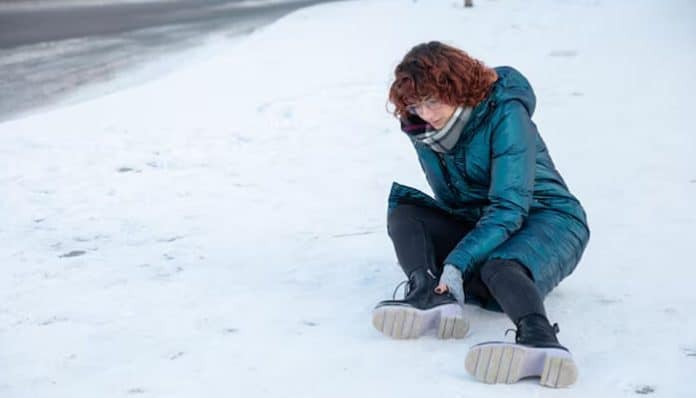

It starts with a normal step onto what appears to be wet pavement. In a heartbeat, your foot slides, your body twists, and the sky fills your vision. Long before anyone mentions Cannon Law injury lawyers, your body has already absorbed a huge impact you never saw coming. In this article, we will explore how invisible ice causes serious injuries and why invisible ice is so dangerous.
Why “Invisible” Ice Is So Dangerous
Invisible ice, often called black ice, blends into the pavement. It forms in thin, clear layers that let the dark surface show through. To your eyes, it looks like a damp patch, not a sheet of glass.
Because it is so hard to see, people do not change how they walk. They move at normal speed, carry coffee or bags, and look at their phones. That false sense of safety is what makes a five-second fall so common.
What Happens In Those First Few Seconds
The moment your foot hits invisible ice, friction vanishes. Your leg shoots forward or to the side before your muscles can react. Instinct kicks in as your arms flail and your other leg tries to catch you.
This frantic effort can twist knees, hips, and lower backs. Muscles strain in directions they were never meant to handle. Even if you do not hit the ground, a “saved” slip can leave deep soreness later.
If you do fall, the landing is sudden and hard. Concrete, asphalt, or stone do not give at all. Your bones, joints, and soft tissues take the full hit.
Common Injuries From A Quick Ice Slip
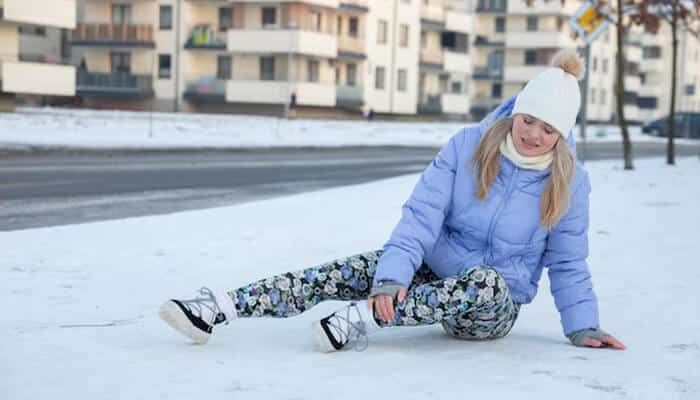
Wrist and arm injuries are prevalent. People throw their hands out to break the fall, which can cause fractures, sprains, or dislocated elbows. Back and hip injuries also appear frequently. Landing on the tailbone can bruise or even fracture the small bones in that area. A sideways fall can bruise the hip joint or irritate nerves running through the lower back.
Head injuries are the scariest. If the back of your head hits the ground, you can end up with a concussion or bleeding in the brain. Sometimes symptoms like confusion, nausea, or vision changes do not appear until hours later.
The Pain That Shows Up Later, Not Right Away
Right after a fall, adrenaline floods your system. You may feel embarrassed more than hurt. Many people jump up, say they are fine, and try to laugh it off. As the hours pass, reality sets in. Muscles tighten around injured areas in a protective spasm. Bruises darken, and swelling can make joints stiff and painful.
The next morning often feels much worse. Simple movements like getting out of bed, bending, or turning your neck can trigger sharp pain. At that point, what felt like a “minor” fall demands real attention.
How A Short Fall Disrupts Everyday Life
A fractured wrist or badly sprained ankle can change everything about a typical week. Driving, cooking, and even showering can become a challenge. You may need help with basic tasks you never thought twice about before.
Work can quickly become complicated. People in physical jobs may not be able to lift, climb, or stand for long. Even desk workers can struggle if neck, back, or shoulder pain makes sitting or typing difficult.
Sleep often suffers, too. It is hard to rest when every turn in bed wakes you up. That lack of sleep can slow healing and make mood and focus worse during the day.
What Kind Of Evidence Tells The Real Story
If a fall leads to medical bills and time away from work, details start to matter. Photos of the area taken soon after the slip can show ice, puddles, lighting conditions, and any warning signs. These snapshots help others see what you faced.
Witness statements can fill in gaps. A coworker, neighbor, or passerby who saw you fall or nearly slipped in the same spot adds weight. Their words can back up your account when memories fade or stories change.
Medical records tell the rest of the story. They connect the fall to specific injuries and track recovery time. Notes about follow-up visits, therapy, and lasting pain all help paint a full picture.
Conclusion
Cannon Law injury lawyers can step in to look at what really happened in those few seconds and in the weeks that followed. Their job is to connect the “invisible” patch of ice to the very visible changes in someone’s life. For the person who fell, understanding that connection can be the first step toward fair help and a more secure recovery.