



Modern vehicles are engineered for safety, yet certain vehicle interior design features can unintentionally increase the severity of injuries during a collision. Seat configuration, airbag placement, and dashboard structure all influence how force is transferred to occupants. This is why injury claim support for car accidents increasingly involves examining the vehicle itself, not just how the crash occurred.
Seat Positioning and Body Alignment
The way the body absorbs force during abrupt deceleration is strongly influenced by seat design. The natural alignment of the spine can be disrupted at the moment of impact by seats that recline excessively, sit too high, or lack adequate lumbar support, which increases strain on the lower back and neck.
Head restraints are just as crucial. Poor positioning may cause the head to move backward too far, leading to cervical strain and soft-tissue injury. Uneven seat cushioning in some cars distributes force to weak spots instead of spreading it evenly throughout the body.
Airbag Deployment Angles and Injury Risk
Although airbags deploy in milliseconds, occupant positioning has a significant impact on how effective they are. Smaller drivers or passengers placed closer to the dashboard may be at risk from deployment angles intended for ordinary body types.
Airbags on the knee and sides add more intricacy. Close-range deployment might cause injuries to the arms, knees, or ribs, even though it is meant to lessen the impact force. Without a thorough examination, it may be more difficult to precisely link these injuries to the crash because they might not show up right away.
Dashboard and Console Design Hazards
Large screens, sharp curves, and stiff materials are common features of contemporary dashboards. These surfaces may become impact points for knees, wrists, or facial regions after a collision, particularly if the airbags fail to deploy fully.
Infotainment systems and center consoles can potentially cause injuries. Localized trauma can result from hard edges and little padding, especially in slower-moving collisions where restraining devices are less forceful.
Pedal Placement and Lower Extremity Injuries
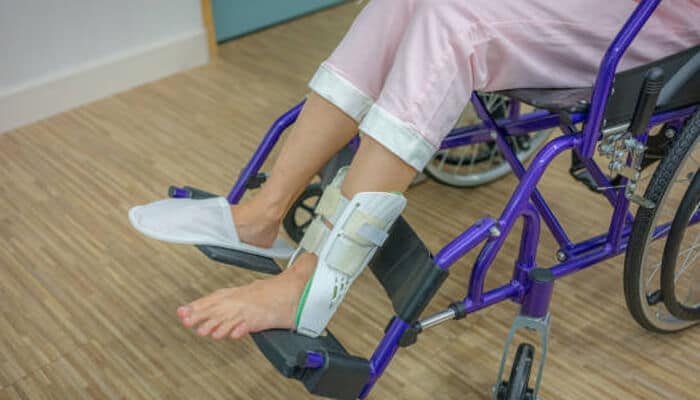
The likelihood of lower limb injuries is strongly influenced by the footwell’s design. Fractures or ligament injuries may result from feet twisting or being stuck upon impact due to pedal spacing and mounting angles.
Just before an accident, drivers frequently brace automatically, applying more force through their legs. Ankle, knee, and hip injuries are more frequent when pedal design fails to account for this response.
Material Choices and Energy Transfer
The way impact energy is absorbed or concentrated depends on the inside materials. Even in mild collisions, force can be redirected rather than dispersed by hard plastics and little padding, increasing the severity of injuries.
Trauma tends to be lessened in areas with flexible materials and sufficient cushioning. It is often possible to determine how specific design decisions affected the outcome by matching injury patterns with material locations.
Why Interior Design Matters in Injury Analysis
Interior design often explains why injuries appear more serious than vehicle damage would suggest. Rather than at exterior impact locations, injury patterns often correspond to airbag deployment zones, seat edges, or dashboard contours.
This method focuses on how the body interacts with the vehicle’s surroundings rather than just the driver’s error. It offers a more precise comprehension of causality in intricate assertions.
Technical Evaluation in Injury Claims
It is frequently necessary to thoroughly examine vehicle schematics, manufacturer standards, and crash data to evaluate injuries to the interior. These components aid in assessing if interior aspects functioned as planned.
By establishing a strong connection between injuries and interior design elements, this level of review bolsters injury claim support for auto accidents and supports claims that might otherwise be rejected.
Final Thoughts
Vehicle interiors are designed for comfort and protection, yet their configuration can sometimes amplify injury risk during a collision. Seat alignment, airbag deployment, dashboard construction, and pedal layout all shape how the body experiences impact forces. Recognizing these factors allows injury claim support for car accidents to present a more complete and accurate explanation of why injuries occurred and why they deserve full consideration.