

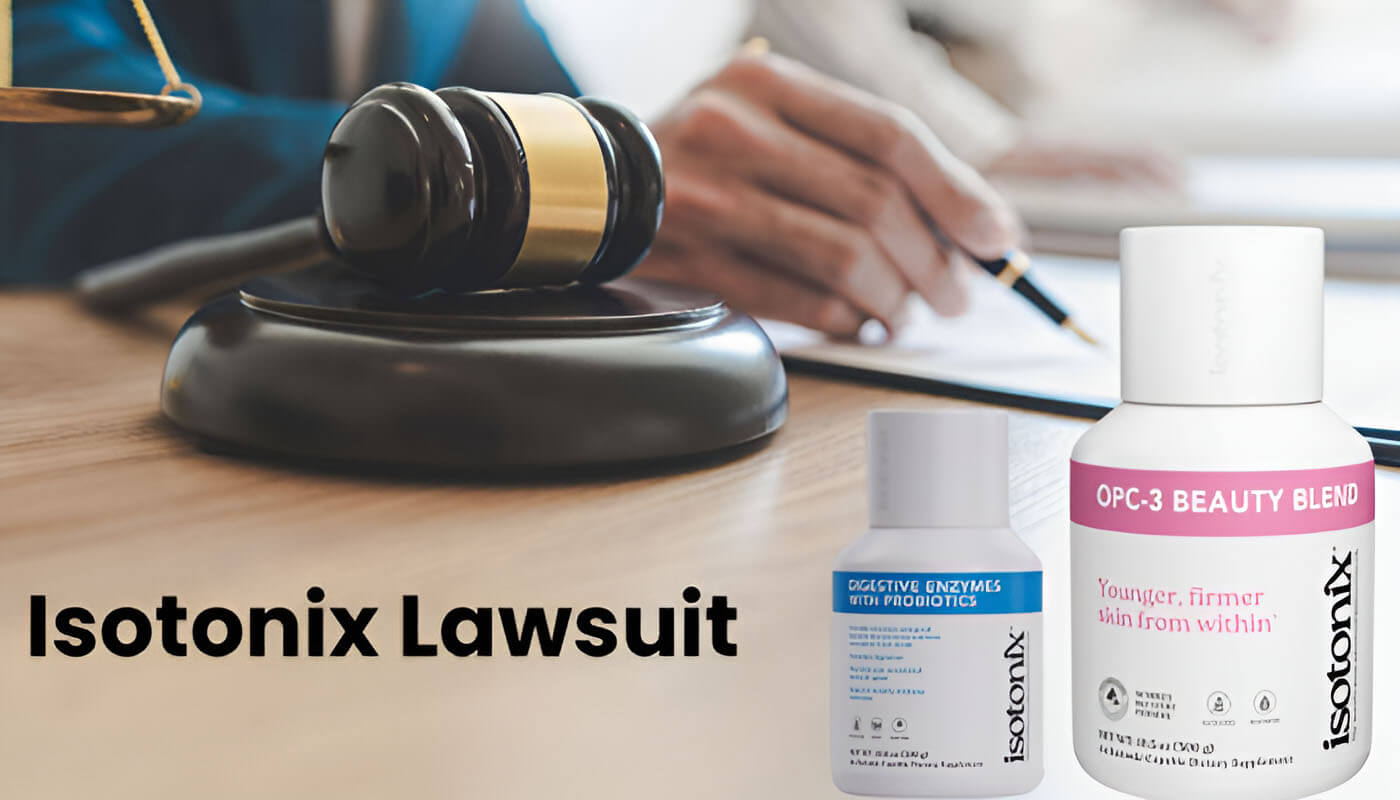

In today’s fast-paced world, many people rely on health supplements to support their overall well-being. However, not every brand delivers the quality or transparency consumers expect. When a wellness company faces legal action, it is important to look beyond the headlines and understand the specific issues involved. News about the Isotonix lawsuit has left some consumers questioning product safety and marketing claims.
The situation has sparked discussions around supplement labeling, advertising practices, and compliance with federal regulations. These legal actions focus on concerns related to product representation and consumer protection.
This guide explores what the Isotonix lawsuits involve, the key issues surrounding the case, and what they may mean for current and potential users.
What is the Isotonix Lawsuit?
Isotonix is a popular dietary supplement brand that delivers multivitamin supplements such as OPC-3 and nutrition shakes to boost energy and heart health. Despite its popularity in multi-level marketing, it sparked lawsuits and FDA scrutiny for misleading claims and safety lapses. The company claims that its supplements have superior bioavailability, but the potential risks question the evidence.
The lawsuit was filed on Isotonix’s false advertising, pyramid scheme elements, and violations of health regulations. The products were marketed for faster absorption and energy support, while critics argue consumers may have faced potential health risks.
This Isotonix lawsuit becomes an eye-opener to understand their unproven claims for treating heart disease, diabetes, inflammation, high blood pressure, and even cancer. Regulators raised concerns that some marketing claims could classify the supplements as unapproved drugs.
The marketing and advertising of Isotonix supplements hyped “90% faster absorption” without solid studies and may have violated FDA guidelines regarding structure-function claims. Those false claims and promises result in lawsuit allegations against Isotonix supplements and distributors.
Main Legal Allegations
No single massive class action can define the Isotonix Lawsuit, which claims multiple targets against Market America.
- False Advertising: Isotonix advertising and promotions suggest the prevention and treatment of diseases without proper authority. Regulators argued that certain marketing claims could cause the products to be classified as unapproved drugs.
- MLM Pyramid Concerns: Before the current allegations, Isotonix had faced lawsuits in 2017 in California alleging that recruitment was emphasized over retail sales.
- Labeling and Compliance: Inaccurate information on ingredients, capsule sizes, and incomplete sources calls into question consumer rights and protections against deception and misleading claims.
FDA Warnings Against Isotonix Supplements
The Food and Drug Administration (FDA) issued a warning notice to Market America in February 2020 for its unapproved drug supply for health. The FDA demands corrections on advertising and the Isotonix lawsuit for seizures and suspensions under the Food, Drugs, and Cosmetics Act.
| Violation | Products affected | Details of Claim |
| Misbranding and Labelling | ● Isotonix OPC-3
● Multivitamin ● Multivitamin with Iron |
● Concerns about inaccuracies in the Supplement Facts panel.
● Incorrect serving size information on product labels ● Incomplete botanical sourcing
|
| Adverse Event Reporting Failure
|
● TLS nutrition shakes
● Isotonix OPC-3 |
● Unreported hospitalization report from abdominal pain, vomiting, dizziness, numbness, itching and cramps
● No submission of report within 15 days as required by DSHEA (Dietary Supplement Health and Education Act) |
Side Effects Caused By Isotonix Supplements
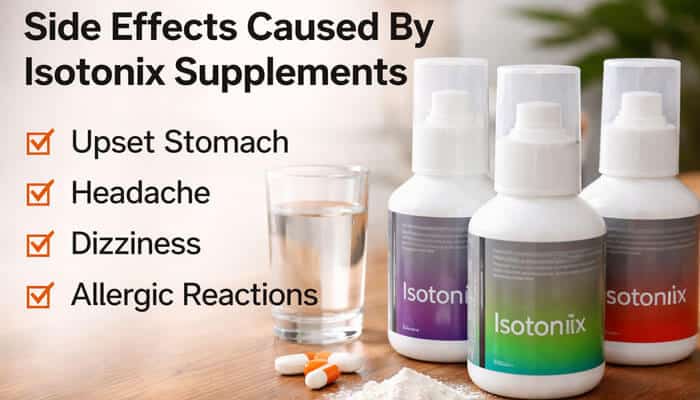
By taking Isotonix supplements daily, some customers have reported experiencing certain health issues. According to allegations mentioned in the Isotonix lawsuits, the reported symptoms include:
- Digestive Discomfort
- Headache
- Dizziness
- Irregular heartbeat
- Numbness
- Reverse allergy reactions that require hospitalization.
Though some adverse events were reported, these claims have not resulted in a final court ruling establishing widespread harm. Customers who consume it daily face interaction risks such as a vulnerable pregnancy and chronic illness. FDA flags raise red flags on oversights and question the customer rights.
| Date | Lawsuits |
| 2020 | FDA Warning Letter Issue |
| 2021 | Class actions filed over claims and MLM |
| 2025-26 | Ongoing legal proceedings and consumer protection reviews |
Isotonix Lawsuit: Current Legal Actions
As of early 2026, legal proceedings related to Isotonix lawsuits are ongoing, and no final federal judgment has been issued, as the distributors claim the supplements have been arbitrated confidentially since 2018.
- Strengths for Plaintiffs: Tangible FDA evidence on health issues and mislabeling.
- Weakness: Technical issues may not prove widespread harm or deception. As no documented health reports or official reports exist, the state cases and individual suits persist, with filings expanding scrutiny.
Safety Guidance For Customers
Though the Isotonix Lawsuit presents its deception as affordable and functional, as a customer, you need to understand your health conditions and follow the advice from a professional to protect your health proactively. Here is safety guidance for customers:
- Consult with a Professional: Before taking Isotonix or any supplements, consult with a physician or pharmacist about the capsules and multivitamin shakes. Disclose a full supplement history and get baseline bloodwork to ensure your health safety.
- During Supplement Intake: During the supplement intake periods, monitor your body’s response to capsules and others. Follow the label strictly and start with a low dose to ensure body adaptation to the supplements.
- Report Issues: If you face any arising issues while taking health supplements, discontinue them immediately. Go for a consultation with a professional to understand body disapproval and seek care for severe reactions. If you experience severe side effects, you can report them to the FDA MedWatch for an issue.
- Alternative Solutions: Instead of choosing misleading supplements, customers can go for USP/NSF-certified supplements from non-MLM brands to maintain their health. Their transparent testing and detailed ingredients give customers clear guidance on buying and using the product.
Legal Recourse Options
Consumers may review the company’s refund policy and contact customer service regarding eligibility. Here are various options.
| Options | Steps | Potential outcomes |
| Direct Refund | Contact support with the receipt. | Full or partial returns |
| Consumer agencies | File with FTC, FDA, or state AG | Investigation and fines charges |
| Class actions | monitor sites and claim for purchase and injury | Settlement of certified statutory damages |
| Individual suits | Small claims for less than $10k, lawyers for larger harm claims | Compensation for medical costs |
| Arbitration | The distributor agreement is binding but private | Limited discovery |
Final Takeaway
The Isotonix lawsuits have made many consumers more cautious about supplement safety and marketing claims. They serve as a reminder that not every product promoted as “premium” or “high-quality” is automatically the right fit for everyone.
Before starting Isotonix or any similar supplement, it is a good idea to speak with a healthcare professional. Pay attention to how your body reacts, especially if you notice issues like stomach discomfort or dizziness. Choosing supplements that are third-party tested and sold by transparent, reputable brands can also give you added peace of mind.