

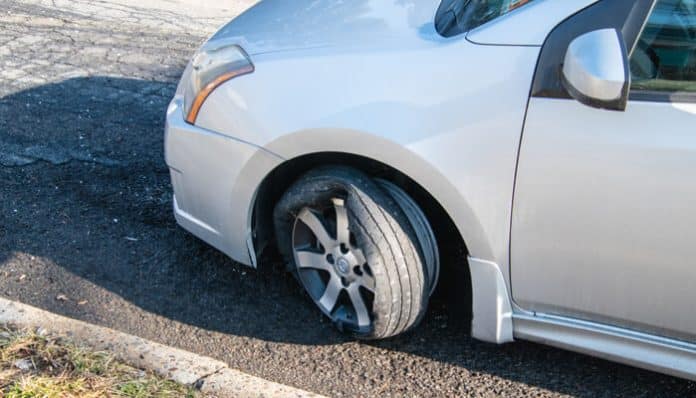

Imagine you are cruising down the interstate, the music is up, and the road ahead looks clear. Suddenly, a sound like a gunshot rings out, and your steering wheel starts fighting you like a wild animal. A tire blows at 70 MPH is one of the most terrifying moments a driver can face. While your gut instinct might be to slam on the brakes, doing so is often the quickest way to lose control. If the worst happens and you find yourself in a wreck, reaching out to car crash legal advocates with proven case results can help you navigate the aftermath, but knowing how to handle those first few seconds is what keeps you alive.
Don’t Touch the Brakes
It sounds counterintuitive. When something goes wrong in a car, we are taught to stop. But when a tire disintegrates at high speeds, the vehicle becomes inherently unstable. Slamming on the brakes shifts the car’s weight forward and puts massive pressure on the remaining tires. If one of those tires is gone, the uneven drag will pull the car sharply toward the flat. This is how rollovers and spins happen.
Instead of braking, you actually want to maintain your speed for a moment or even give it a tiny bit of gas. This helps stabilize the car by keeping the momentum moving forward rather than sideways. Once you feel like you have a grip on the steering, you can slowly lift your foot off the accelerator.
Keep a Death Grip on the Wheel
When a tire pops, the car will pull hard. If it is a front tire, the steering wheel will jerk toward the side of the blowout. If it is a rear tire, you might feel the back end of the car “fishtailing” or swaying. Your main job is to keep the vehicle pointed straight.
Grab the wheel at the ten and two positions and lock your elbows if you have to. Do not try to jerk the car back onto the road if you drift onto the shoulder. Sharp steering inputs are your enemy here. Small, controlled movements are the only way to stay in your lane until the car naturally slows down.
Use the Engine to Slow Down
Since you are staying off the brake pedal, you need to let physics do the work. The friction of the flat tire against the pavement acts like a natural brake. As the car slows to under 30 miles per hour, you can start gently applying the brakes to bring it to a complete halt.
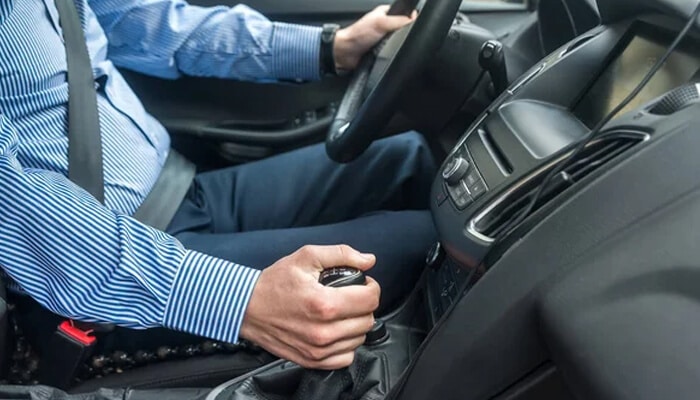
If you have a manual transmission, you can downshift through the gears to help the engine slow the car. If you are in an automatic, just let it coast. The goal is a gradual speed decrease that doesn’t upset the chassis’s balance.
Find a Safe Spot to Pull Over
Stopping in the middle of a highway is a recipe for a secondary collision. Once you have regained control and the car has slowed down significantly, look for a wide shoulder or an off-ramp. If there is a grassy area well away from the lanes of travel, head for that.
The rim of your wheel is likely ruined anyway, so do not worry about “saving” the wheel by stopping too early. Your life is worth more than a piece of metal. Get as far away from the flow of traffic as possible before you put the car in park.
Safety After the Stop
Once the car is stationary, turn your wheels away from the road and pull the emergency brake. Turn on your hazard lights immediately. If it is dark out, keep your interior lights on so other drivers can see the silhouette of your vehicle.
If you are on a busy highway, it is often safer to stay inside the car with your seatbelt on than it is to stand on the side of the road. High-speed traffic is unpredictable, and many secondary accidents occur when drivers get out to inspect the damage. Call for roadside assistance or the highway patrol to provide a “blocker” vehicle while you change the tire or wait for a tow.
Why Blowouts Happen
Most blowouts are preventable. Under-inflation is the leading cause because it allows the tire sidewalls to flex too much, generating heat that eventually melts the internal components.
Bald treads and old rubber that has “dry rotted” also contribute to the risk. Make it a habit to check your tire pressure once a month and look for any bulges or cracks in the rubber.
Final Word
A blowout is a violent event that tests your nerves and your reflexes. By staying calm and resisting the urge to panic-brake, you can guide a crippled car to safety. If an equipment failure or another driver’s negligence leads to an accident, consulting with car crash legal advocates with proven case results ensures your rights are protected while you focus on recovery.