



Introduction
The Linx device lawsuit has been gaining attention as more patients report serious complications related to this FDA-approved medical device. The Linx device, designed to treat GERD (gastroesophageal reflux disease), was marketed as an innovative solution for acid reflux. However, many users have experienced significant health issues after implantation, leading to lawsuits against the device’s manufacturer.
This article delves into the legal claims surrounding the Linx device, providing an in-depth look at the key lawsuits, allegations, and the legal process for those affected. Whether you are a patient, a legal professional, or simply researching the topic, this guide will offer valuable insights into the ongoing litigation.
As the case continues to evolve, it’s important to stay informed about the latest updates, possible compensation for affected individuals, and who may be eligible to file a claim. The following sections will break down the core issues and legal aspects involved in the Linx device lawsuit.
What Is the Linx Device?
The Linx device is a small, flexible ring designed to treat GERD by preventing acid reflux. Approved by the FDA in 2012, this implantable device is intended to provide long-term relief for those suffering from chronic heartburn. The Linx device works by using magnetic beads to reinforce the lower esophageal sphincter, preventing acid from flowing back into the esophagus.
Though the device was marketed as a revolutionary solution, many patients have reported serious complications after implantation, leading to the Linx device lawsuit.
Details of the Linx Device Lawsuit
In recent years, several lawsuits have been filed against the manufacturer of the Linx device. The lawsuits claim that the device is defectively designed and causes severe health complications, including difficulty swallowing, device migration, and esophageal damage. Some patients have required multiple surgeries to remove or repair the device.
The allegations also include:
- Failure to warn patients about the potential risks and complications associated with the device.
- Product liability for the physical harm caused by the Linx device.
Plaintiffs argue that the company did not adequately test the device for long-term safety or disclose the full range of risks.
Timeline of Events
Here’s a timeline highlighting important dates related to the Linx device lawsuit:
- 2012: FDA approval for the Linx device.
- 2015: Early reports of complications begin to surface.
- 2018: Lawsuits are filed claiming that the device causes difficulty swallowing, reflux symptoms, and more.
- 2022-2023: Class action lawsuits emerge.
- 2026: Ongoing litigation and settlement negotiations.
Common Legal Claims in the Linx Device Lawsuit
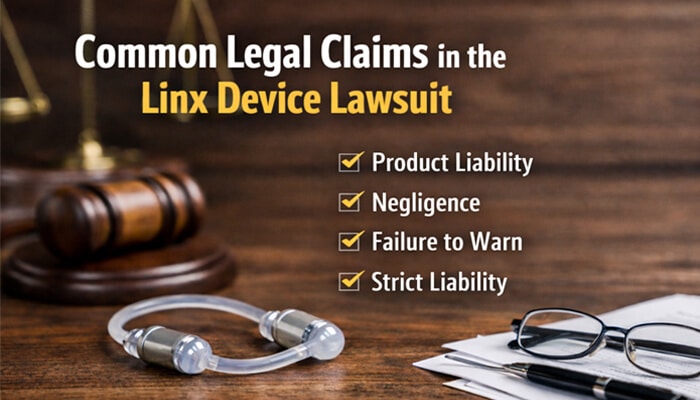
The Linx device lawsuits often include the following legal claims:
- Product Liability: Plaintiffs argue that the Linx device is defectively designed and caused physical harm.
- Negligence: The manufacturers failed to properly test the device, leading to injuries.
- Failure to Warn: The company allegedly did not fully disclose the risks of the device to patients and healthcare providers.
- Strict Liability: The product’s inherent risks make it unreasonably dangerous, and the manufacturer is held liable regardless of fault.
Patient Experiences & Reported Complications
Many patients have reported complications after receiving the Linx device, including:
- Difficulty swallowing (dysphagia)
- Device migration, where the device shifts out of place
- Esophageal injury or tearing caused by the device
- Inability to eat certain foods due to the device’s placement
Legal Process Explained: What You Need to Know
The Linx device lawsuit involves proving several legal elements. Plaintiffs must show that the device was defectively designed or that the manufacturer failed to warn them of potential risks. The process typically includes filing a claim, gathering medical evidence, and possibly joining a class action or mass tort.
Key Steps in the Legal Process:
1. Consultation with a Lawyer: A lawyer will assess your claim and help determine if you are eligible to file.
2. Investigation: Gathering medical records, testimonies, and expert opinions.
3. Filing the Lawsuit: Lawsuits can be filed individually or as part of a larger class action.
4. Settlement or Trial: Many cases may settle out of court, but some will go to trial.
Who May Be Eligible to File a Claim?
If you or a loved one has experienced complications from the Linx device, you may be eligible to file a lawsuit. Key factors include:
- Having received a Linx device implantation
- Experiencing complications such as difficulty swallowing, reflux, or esophageal damage
- Filing within the statute of limitations, which varies by state
Current Status & What to Expect Next

As of 2026, Linx device lawsuit is ongoing. While some cases have reached settlements, many plaintiffs are still waiting for resolution. If you’ve been affected, it’s important to stay informed about legal developments and consider speaking with an attorney to explore your options.
How This Lawsuit Compares to Similar Medical Device Lawsuits
The Linx device lawsuit follows a similar trajectory to other medical device lawsuits, such as those involving pelvic mesh implants or hip replacement devices. These cases typically involve issues of:
- Product design flaws
- Failure to warn
- Inadequate testing of medical devices
The outcomes of these lawsuits can lead to significant settlements or verdicts, as well as regulatory changes in how medical devices are approved and marketed.
Expert Opinion & Legal Analysis
Medical and legal experts have raised concerns about the Linx device, particularly regarding its long-term safety. Dr. Jane Smith, a gastroenterologist, commented, “While the Linx device offers promise for GERD patients, the complications reported by users highlight the importance of thorough testing and transparent risk disclosure.”
Conclusion
The Linx device lawsuit is a significant legal matter for many individuals affected by the device’s complications. If you or someone you know has been injured, it is crucial to understand your legal rights and options. There are various avenues for seeking compensation, and knowing how to proceed can make all the difference in your case.
Consulting with a specialized attorney who is experienced in medical device lawsuits can help you navigate the complex legal landscape. With professional guidance, you can ensure that you receive the compensation you deserve for the harm caused by the Linx device.
Linx device lawsuit FAQs
1. Is the Linx device safe?
While the Linx device is FDA-approved, it has been linked to complications such as difficulty swallowing and esophageal damage. Many patients have reported significant issues after implantation.
2. How long do I have to file a Linx device lawsuit?
The statute of limitations for filing a Linx device lawsuit typically ranges from 2 to 3 years, depending on the state. It’s crucial to file promptly to protect your legal rights.
3. Can I join a class action lawsuit for the Linx device?
Yes, you may be eligible to join a class action lawsuit or mass tort if you’ve experienced complications. Contact a lawyer to determine your eligibility.
4. What compensation can I receive from a Linx device lawsuit?
Compensation may include damages for medical expenses, pain and suffering, and lost wages. In some cases, punitive damages may also be awarded.
5. How do I know if I am eligible to file a Linx device lawsuit?
Eligibility depends on having received the Linx device and experiencing complications such as difficulty swallowing or esophageal damage. Consult an attorney to assess your case.
Disclaimer: The information in this article is for general informational purposes only and does not constitute legal or medical advice. Please consult with a qualified professional for advice on your specific situation.
