

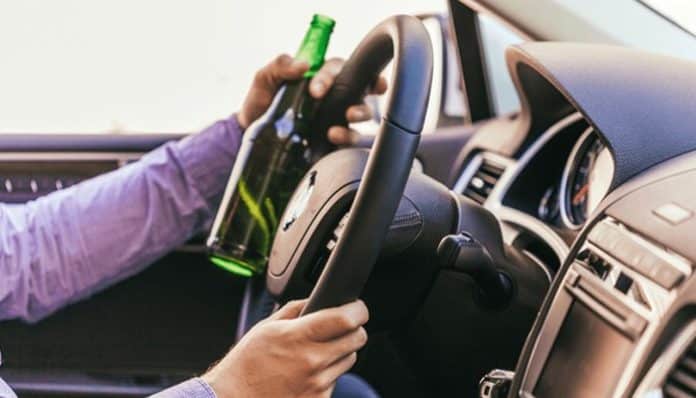

Proving liability in a drunk driving car accident case is one of the most critical steps in securing compensation for your injuries, medical bills, lost wages, and pain and suffering. While intoxication may seem obvious, the legal process requires clear, structured evidence to establish fault.
Understanding how to build a strong case can make the difference between a denied claim and a successful outcome. Also, it is important to work with an experienced drunk driver car accident attorney can significantly boost your ability to prove liability.
Understanding the Legal Standard for Liability
In drunk driving cases, liability typically hinges on negligence. To prove negligence, you must establish four elements: duty of care, breach of duty, causation, and damages. Every driver has a duty to operate their vehicle responsibly and follow traffic laws. When a driver chooses to drink and drive, they breach that duty. If that breach causes an accident and results in injuries or losses, they can be held legally responsible.
Key Evidence Used to Prove Liability
Proving liability requires solid, credible evidence that demonstrates the driver was intoxicated and that their impairment caused the crash. The following forms of evidence are commonly used:
1. Police Reports
The police report is often the most important document in a drunk driving case. Officers typically conduct field sobriety tests, breath tests, or chemical tests at the scene. These results provide official documentation of impairment. If the at-fault driver was arrested for DUI, this strengthens your claim even further.
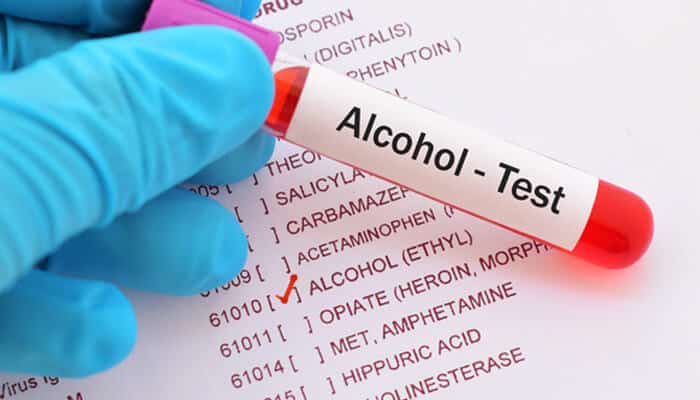
2. Blood Alcohol Concentration (BAC) Test Results
A BAC reading of 0.08% or higher is legally considered intoxicated in most states. BAC results taken shortly after the crash can serve as critical evidence that the driver was impaired at the time of the accident.
3. Witness Statement
Eyewitnesses may have seen the driver swerving, speeding, ignoring traffic signals, or driving erratically before the crash. Statements from passengers, pedestrians, or other motorists can help establish the driver’s behavior and level of impairment.
4. Traffic and Surveillance Footage
Video evidence from nearby businesses, traffic cameras, or dashcams can show how the collision occurred. In many cases, footage captures the drunk driver’s erratic driving, providing powerful visual proof.
5. Expert Testimony
Accident reconstruction experts can analyze skid marks, debris patterns, vehicle damage, and other physical evidence to determine what caused the crash. Their professional opinions can help tie the cause of the accident directly to the drunk driver’s actions.
Why Causation Matters
Even if the other driver was intoxicated, you still must prove that their impairment caused the accident. For example, if a drunk driver is stopped at a red light and another vehicle hits them from behind, the intoxication may not be legally relevant. Establishing causation is essential, and this is where detailed evidence and expert input become extremely valuable.
Working With a Lawyer Strengthens Your Case
Drunk driving accidents often involve insurance disputes, criminal charges, and complex evidence collection. An attorney can gather records, work with investigators, interview witnesses, and build a compelling case on your behalf. They also negotiate with insurance companies and ensure your rights are protected from start to finish.
Conclusion
Proving liability in a drunk driving accident requires a strategic combination of evidence, documentation, and legal expertise. With the right approach, you can hold the negligent driver accountable and pursue the compensation you deserve. Understanding the process—and getting professional support—can make the path to justice much clearer and more achievable.
Key Takeaways
- You must prove duty, breach, causation, and damages to establish liability in a drunk driving accident case.
- Police reports, BAC results, witness statements, and video footage are essential forms of evidence.
- Causation must link the driver’s intoxication directly to the accident.
- Working with an attorney improves your chances of building a strong, successful claim.