

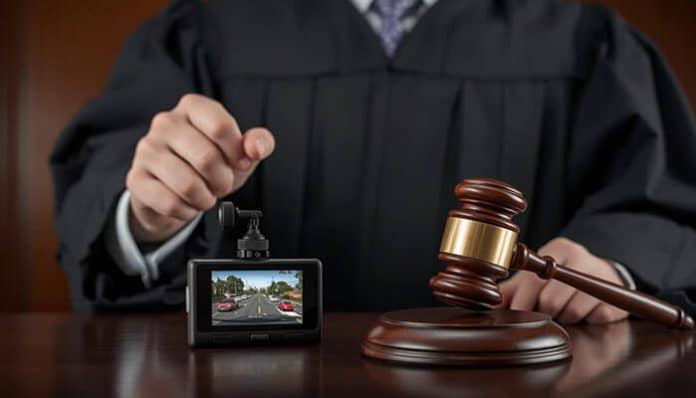

Home cameras and vehicle cameras are everywhere today. Many people install them for safety without thinking about legal consequencesrelated to digital doorbell and dash cam evidence in criminal cases. A criminal defense attorney often sees how these recordings can quickly change a case.
The Rise of Everyday Surveillance
Digital doorbells and dash cams have become as common as porch lights and phone chargers. They quietly record day-to-day comings and goings with almost no thought from the person who installed them. Something ordinary on a Tuesday can suddenly matter a lot when questions start getting asked.
Many of these devices capture both video and sound as things happen. The clips are often saved automatically, sometimes off-site via a cloud account. That means moments you forgot about can still be sitting there, ready to be pulled up later.
How Footage Becomes Evidence
Law enforcement may request footage during an investigation. In some cases, they already have access through shared platforms or warrants. Once obtained, the footage becomes part of the case file.
People are sometimes surprised to learn that their own devices recorded an incident. A camera may capture more than the owner remembers. Small details can take on paramount importance.
When Video Evidence Helps the Defense
Footage can confirm a person was not present at a scene. Time stamps and angles can support an alibi. Clear recordings can contradict witness statements.
Dash cams often show what happened before and after an incident. They can reveal road conditions, others’ behavior, and timing. This context may reduce or eliminate criminal liability.
When Footage Creates Problems
Video rarely shows the entire picture. A short clip can look far worse without context or explanation. Prosecutors may highlight only the parts that seem to support their version of events.
Body language and tone are easy to misunderstand on camera. A pause, a nervous movement, or a moment of silence can be misread. Those impressions can affect whether charges are filed or how serious they become.
The Danger of Partial Recordings
Many devices activate only when motion is detected. Important moments may happen outside the recorded window. This creates gaps that raise questions.
A missing segment can work against the owner. Prosecutors may argue that something was intentionally avoided. Defending against those assumptions takes careful strategy.
Audio Can Be as Important as Video

Some doorbells capture sound along with the picture. That means a conversation on the porch or near the driveway might be recorded more clearly than you would expect. A casual remark can take on a different meaning when it is replayed in a legal setting.
Most people do not think about the microphone at all. In a tense moment, someone might say something they would never say calmly. Without the full context, those words can come across as far more damaging than intended.
Consent and Privacy Concerns
Audio recording rules vary from place to place. In some places, recording someone’s voice without proper consent can create a separate legal problem. That issue can complicate a case even when the video itself seems helpful.
Video recording is usually allowed in public-facing areas. Audio rules are often stricter. Knowing local laws matters before relying on footage.
Cloud Storage and Access Issues
Many devices store footage online. This means copies may exist beyond the physical device. Deleting local footage may not remove all versions.
These systems also track who accesses or shares recordings. That information can come up during an investigation or trial. Trying to erase footage can sometimes draw more attention and raise questions.
How Prosecutors Use Camera Evidence
Prosecutors often treat video as the objective truth. They may argue that the footage speaks for itself. This can be persuasive to juries.
However, video still requires interpretation. Angles, lighting, and quality affect meaning. A skilled defense challenges those assumptions.
The Importance of Early Legal Guidance
People sometimes share footage voluntarily without advice. Once shared, control over the narrative is lost. Early decisions can shape the entire case.
Legal counsel helps determine what should be disclosed. They also assess risks tied to specific clips. Strategic handling of evidence is essential.
Mistakes People Commonly Make
Some people delete recordings in a panic because they want the situation to go away. Others upload clips to social media to explain themselves or get public support. Both moves can create serious legal headaches.
Public posts can come back to haunt you later if your story changes or the details don’t match. Deleted footage can be framed as an attempt to hide evidence, even if that was not the intent. Most of these mistakes can be avoided with careful decision-making and prompt legal advice.
Preparing for Court with Video Evidence
Defense teams analyze footage frame by frame. They look for inconsistencies and missing context. Expert analysis may be used when needed.
Preparing explanations for what the camera shows is critical. Jurors need guidance to understand limitations. Clear narratives help counter misleading impressions.
Final Thoughts
Digital cameras can protect or harm, depending on how they are used. Footage often plays a larger role than people expect. A criminal defense attorney can help navigate these challenges and protect your rights.