

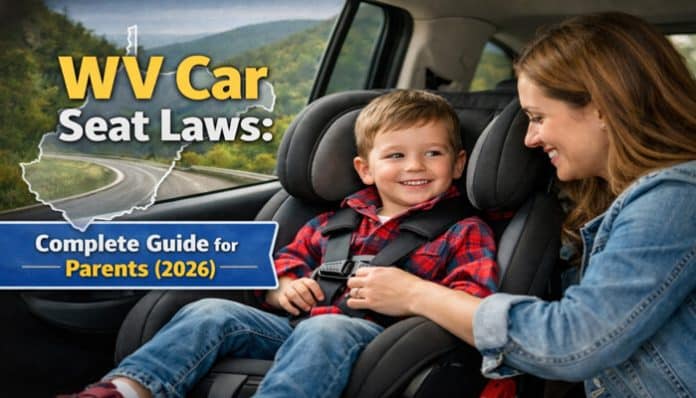

WV Car Seat Laws focus on child safety, requiring children under 8 to use a child safety seat or booster seat. They must remain in a booster until they are at least 4 feet 9 inches tall or 8 years old. Once they meet these requirements, a regular seat belt can be used if it fits properly.
This guide covers the state’s booster seat laws (WV Car Seat Laws), compares them with Florida and Delaware’s laws, and explains when children can safely stop using boosters. It emphasizes rear-facing seats for infants and toddlers and stresses proper seat belt fit over age alone to ensure safety.
What Are WV Car Seat Laws?
In West Virginia, the car seat law focuses on ensuring child safety while traveling. Here’s what you need to know:
Legal Requirements for Children in Vehicles:
- Children under 8 years old must be secured in a child safety seat, booster seat, or other appropriate device.
- Children must use a booster seat until they are at least 4 feet 9 inches tall or 8 years old, whichever comes first.
- Children who are 4 feet 9 inches or taller or 8 years old and above may use a regular seat belt, but only if it fits properly.
✅ Note: Height and age combined determine whether a child is in a booster seat or using a seat belt.
WV Booster Seat Laws: What You Need to Know
Although WV doesn’t set a specific age for booster seat use, the law requires children under 8 years old and shorter than 4’9″ to use a booster seat. The purpose of a booster seat is to position the vehicle’s seat belt correctly on the child’s body.
Booster Seat Requirements in WV:
- Booster seats are used to ensure that the vehicle’s seat belt fits the child properly.
- The seat should raise the child’s body so that the lap belt sits on the thighs, and the shoulder belt crosses the chest.
- Even though there is no strict weight requirement in the state law, safety experts recommend keeping children in a booster seat until they are tall enough for the seat belt to fit correctly.
When Can Kids Stop Using Boosters?
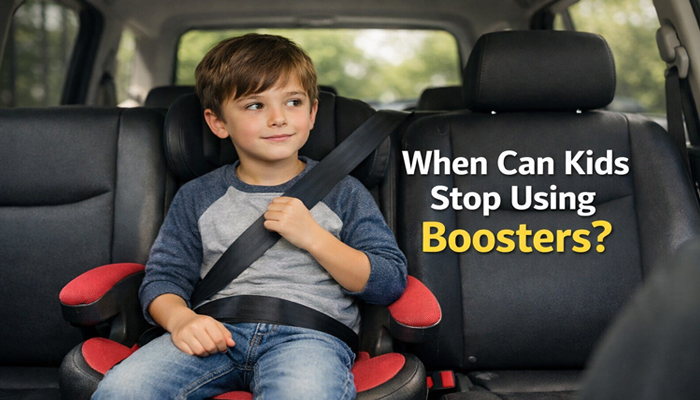
WV Car Seat Law doesn’t set a specific weight requirement but focuses on height and age. Here’s the expert advice for transitioning out of a booster seat:
When Should Your Child Stop Using a Booster Seat?
A child can stop using a booster seat when:
- They reach 4 feet 9 inches tall, and
- The seat belt fits properly (lap belt on the thighs, shoulder belt across the chest).
This height check is essential because the proper fit of a seat belt can reduce the risk of injury in an accident.
Rear‑Facing Laws by State
The safest seating position for infants and toddlers is rear‑facing, and many states recommend this until a child reaches at least age 2.
Rear‑Facing Seat Guidelines:
- While West Virginia’s law doesn’t specify rear‑facing rules, safety experts recommend that children remain rear‑facing as long as possible, typically until they reach the weight or height limits set by the car seat manufacturer.
- Federal guidelines suggest rear‑facing for as long as the seat allows, usually until age 2, because it’s the safest position in a crash.
Penalties for Violating WV Car Seat Laws
If you fail to comply with West Virginia’s child passenger safety requirements, you may face legal consequences:
- Fines: Violating the car seat laws is a misdemeanor offense, punishable by a fine of $10 to $20 per violation.
- Additional Legal Considerations: While the violation itself carries a fine, it does not count as evidence of negligence in any civil lawsuits related to an injury.
This penalty serves as a reminder that proper use of car seats and boosters is not just about safety but also about complying with state laws to avoid fines and ensure your child’s well-being.
Comparison with Florida and Delaware Car Seat Laws
Let’s compare how Florida car seat laws measure up to West Virginia’s laws, especially when it comes to 7-year-olds:
| State | Child Seat Requirement | Booster Seat Rules | Seat Belt Only |
| Florida | Children 0–5 must use a child restraint. | Children 4–7 must use a booster seat. | Once 4’9″ or 8 years old |
| West Virginia | Children under 8 and under 4’9″ must use a restraint. | Children must use a booster until height or age requirement is met. | Once 4’9″ or 8 years old |
| Delaware | Children under 7 and under 66 lbs must be in a restraint. | Not specified. | At 8 years or 66 lbs, regular seat belt allowed. |
Key Difference: Florida specifies that children 4-5 years old use a booster seat, whereas West Virginia allows children under 8 and under 4’9″ to remain in booster seats.
When Can My Child Ride Without a Booster Seat?
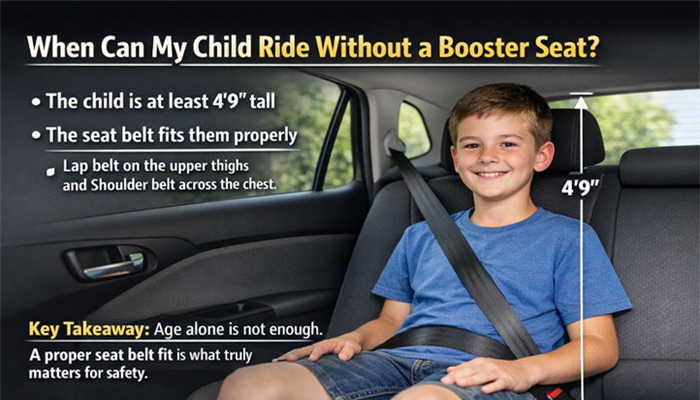
A child can ride without a booster seat when both of these conditions are met:
- The child is at least 4’9” tall, and
- The seat belt fits them properly (lap belt on the upper thighs and shoulder belt across the chest).
Key Takeaway: Age alone is not enough. A proper seat belt fit is what truly matters for safety.
Best Practices for Child Safety
While WV law sets the minimum requirements, following best practices can help keep your child safer:
- Rear-facing for as long as possible (usually until age 2).
- Forward-facing seats until the child outgrows them.
- Booster seats until the seat belt fits correctly.
Final Takeaway
WV car seat laws are clear, but child safety requires more than just following the minimums.
- Children under 8 and shorter than 4’9” must be in a car seat or booster.
- Once they reach 4’9” or age 8, a seat belt is sufficient if it fits correctly.
- Always follow best‑practice safety guidelines because the law is the floor, not the ceiling when it comes to keeping children safe.
WV Car Seat Laws FAQs
1. How do I know if a car seat has passed safety standards?
Car seats must meet federal motor vehicle safety standards. Look for a label indicating approval from the U.S. Department of Transportation.
2. Do car seats expire?
Yes, car seats generally expire after 6–10 years due to wear on materials. Check the seat’s label for the expiration date.
3. Should children ride in the back seat or front seat?
Children should remain in the back seat until at least age 13 for optimal safety from airbags and collision forces.
4. Can I install a car seat myself? How do I know it’s installed correctly?
You can install it yourself, but it’s best to have it checked by a certified technician to ensure it’s installed correctly.
5. Can I use a used car seat or rent one?
It’s not recommended to use used seats unless you know its history and it hasn’t been in a crash. Renting is also discouraged for safety.
6. What are the different types of car seats?
There are rear‑facing, forward‑facing, and booster seats, each designed for specific age and size ranges to ensure optimal safety.
Disclaimer:
This article provides general information and is not legal advice. Laws may change, so consult a licensed attorney or local authorities for the most current legal guidance.