

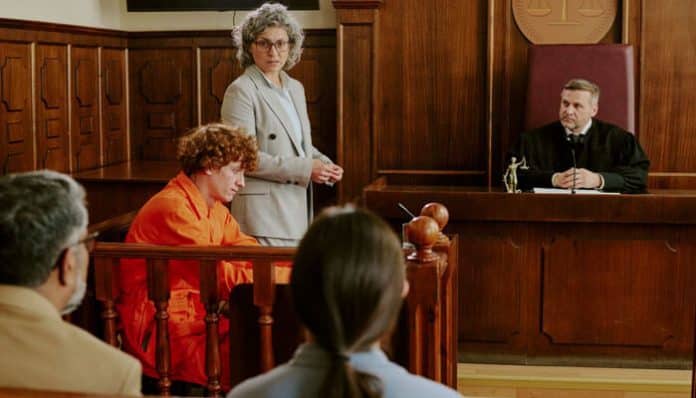

When you’re facing criminal charges, the first and most important question is who’s going to represent you in court. The answer often comes down to two options: a public defender or a private attorney. On paper, both are licensed professionals trained in criminal law. In practice, the experience can feel very different when you choose a Los Angeles criminal defense attorney.
The choice carries more weight in some states. In Los Angeles, for example, the city’s courts move fast. The caseloads are heavy. Prosecutors are experienced. Understanding the difference between a public defender and a private criminal defense attorney can shape how your case unfolds.
Let’s walk through what that really means for you.
Why Finding the Right Defense Attorney Is Crucial
The pressure can be overwhelming, particularly in serious cases like felony gun charges, vehicular manslaughter, or white-collar crimes. You might be worried about bail hearings, the risk of jail time, or how your family will cope if you’re detained. Moreover, a conviction can affect your job, your housing, your professional licenses, and even your immigration status.
Getting legal help from a skilled criminal defense attorney matters. They protect your constitutional rights, examine search and seizure procedures, evaluate forensic evidence, and guide you through every step of the legal process. When you’re in Los Angeles looking for a criminal defense attorney, you’re not just hiring someone to speak on your behalf. You’re investing in strategy, preparation, and advocacy designed to minimize long-term damage.
Let’s break down how public defenders and private attorneys differ.
What a Private Criminal Defense Attorney Brings to the Table
When you hire a private criminal lawyer, you’re choosing someone who works directly for you. That financial arrangement changes the dynamic. You become their client, not just another file number in a long queue.
Private criminal defense lawyers usually have more flexibility with time and resources. They can consult independent experts to scrutinize forensic evidence. They might even reconstruct scenes or commission outside DNA analysis when the prosecution’s findings look questionable.
In complex cases, such as sex crimes, drug charges, or weapons charges, this level of investment can make a measurable difference. A private attorney can spend hours reviewing surveillance footage, cross-checking witness statements, or preparing a landmark closing argument tailored specifically to your case narrative.
What a Public Defender Does
In the United States, individuals accused of crimes have a constitutional guarantee of legal representation. Public defenders fulfill that obligation by being assigned through the court to assist people who do not have the financial means to retain a private attorney.
Public defenders often have deep experience in criminal trial defense. Many spend their entire careers in the courtroom. They know the judges, the prosecutors, and the procedures inside and out. In fact, almost 90% of federal criminal case defendants are represented by court-appointed attorneys. This reality reflects how the system heavily relies on public defense infrastructure.
It also shows that public defenders handle an enormous volume of serious cases every year, often under significant time and budget pressures. The heavy workload can limit how much individual attention they can devote to your evidence gathering, independent DNA analysis, or deeper review of forensic fingerprint analysis.
Caseload and Personal Attention
Imagine you’re charged with assault and battery or facing allegations under California PC 243.4. Your defense strategy may hinge on subtle factual distinctions, witness credibility, or technical interpretations of the statute.
A public defender might meet with you briefly before a hearing because their schedule is packed with bail hearings and plea negotiations for other clients. They’ll still represent you ethically and professionally. But their time is divided.
A private criminal defense attorney, on the other hand, often has the capacity to schedule longer meetings. They may walk you step-by-step through the legal system, explain the potential penalties, including the remote possibility of a death penalty case in extreme circumstances, and craft a personalized plan. That extra time can help you feel informed rather than rushed.
Resources and Investigation Power
Criminal cases today are heavily driven by science. Prosecutors rely on forensic fingerprint analysis, lab reports, digital evidence, and surveillance data. Challenging those findings requires technical knowledge and outside experts.
Public defenders do have access to investigators and experts. But funding constraints can limit how frequently those resources are used.
Private attorneys may have greater financial flexibility to invest in evidence gathering. For example, if you’re facing drugged driving allegations, your lawyer might hire a toxicology expert to examine blood test procedures. If your case involves alleged police misconduct during search and seizure, they can devote time to reviewing body cam footage and filing suppression motions.
Strategy, Negotiation, and Trial Experience
Not every case goes to trial. Many resolve through plea negotiations. The key is knowing when to negotiate and when to fight.
An experienced private attorney may highlight their history of success, trial success rate, or even high-profile success stories. While results vary and no outcome can be guaranteed, a strong courtroom reputation can influence negotiations with prosecutors.
Public defenders also negotiate daily and often secure favorable deals. However, when you hire privately, your attorney’s caseload may allow them to dedicate more time to crafting arguments that push for reduced charges, alternative sentencing, or referral to programs like community outreach court.
The ability to tailor negotiation strategy specifically to your goals, rather than moving quickly through a crowded docket, can be a meaningful distinction.
The Complexity of Criminal Law Across Jurisdictions
Criminal law is not one-size-fits-all. Legal nuances vary significantly even within the United States. Each state has its own statutes, procedures, and sentencing guidelines.
For example, domestic violence charges in Utah will be handled differently than in other states. A lawyer who understands the specific jurisdiction you’re facing can anticipate these procedural differences and adjust strategy accordingly. This localized knowledge can shape defense strategy from day one.
Cost Versus Long-Term Consequences
There’s no avoiding it: private attorneys cost money. Public defenders are provided at little to no upfront cost if you qualify financially.
But cost should be weighed against risk. If you’re facing vehicular manslaughter, serious sex crimes allegations, or significant drug charges, the potential penalties may include years of incarceration.
For some defendants, investing in a private attorney is about control. It’s about choosing the person who will manage your most serious legal matters and advocate for your future.
Communication and Client Experience
The emotional side of a criminal case often gets overlooked. You may feel fear, anger, or confusion. You may not fully understand your Miranda rights or what happens next in court.
Private attorneys often prioritize communication as part of the overall client experience. Regular updates, returned phone calls, and detailed explanations of the legal process can reduce anxiety.
Public defenders may communicate less frequently simply due to workload. Again, this reflects system pressures, not lack of care. When your freedom is on the line, clarity can feel invaluable.
Final Thoughts
Choosing between a public defender and a private Los Angeles criminal defense attorney isn’t about assuming one is good and the other is bad. Both operate within the same legal system. Both are bound by ethical duties. Both can and do win cases.
The real difference often lies in time, resources, and personal attention. A public defender may provide capable representation under challenging workload conditions. At the same time, a private criminal lawyer may offer deeper customization, greater access to investigative resources, and more direct communication.
When you’re facing criminal charges, your future feels uncertain. The right legal support can steady that uncertainty. The sooner you act, the more opportunities there are to protect your rights and build the strongest possible defense.