

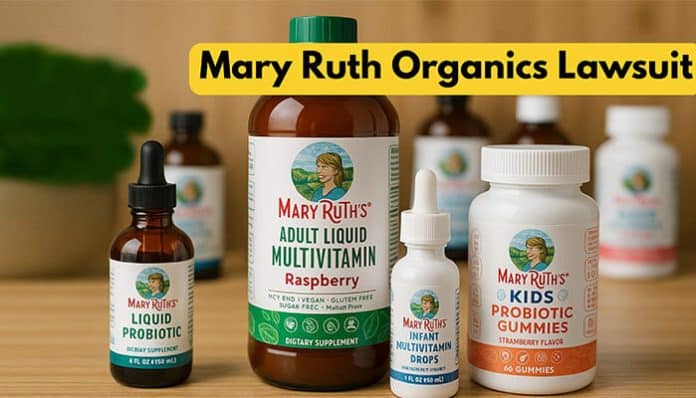

Mary Ruth Organics is a US-based company founded in 2014 that sells liquid supplement products for children, infants, and adults. It offers vitamins, probiotics, gummies, minerals, and other brands under common marketing terms such as “vegan,” “non-GMO,” etc. However, the company faced several allegations from consumers that raised safety concerns. The Mary Ruth Organics lawsuit involves complaints about products, and what evidence is needed to file for compensation? Moreover, the lawsuit creates awareness about the protection of consumer laws and the responsibility of manufacturing companies.
What is the Mary Ruth Organics lawsuit?
Mary Ruth Organics was involved in several controversies that led to a lawsuit. The Mary Ruth Organics lawsuit outlines several significant accusations made by consumers, which raise questions about the brand’s ethical practices. Knowing the key allegations of the lawsuit allows new customers to make informed decisions. Furthermore, they can understand what to do when buying a new product from the market.
What are the key allegations in the Mary Ruth Organics lawsuit?
Knowing the key allegations in the Mary Ruth Organics lawsuit will provide individuals with more insight. Apart from that, they let consumers buy a product with ease.
1. False advertising
Plaintiffs claim that the company misled them by overstating the purity and benefits of its products. Despite being marketed as pure and organic, many of them accused the company’s supplement products of not meeting those standards.
2. Ingredient discrepancies
The lawsuit says that some of the ingredients in the supplements are synthetic, even though the company markets them as natural products. Those who have purchased them felt that they were all deceived because the company promotes the products as natural.
3. Health complications
Consumers who have used the company’s products experienced adverse effects such as allergic reactions or stomach problems. The complaints raised concerns regarding the safety of supplements.
4. Quality control issues
Many users revealed that certain products offered by the company may contain contaminants during the manufacturing process. This raised questions about the company’s quality control standards.
5. Misleading marketing
Misleading marketing is another allegation claimed by plaintiffs, stating that the benefits of the products are highly exaggerated by the company. The claims such as “gentle,” “clean,” or “organic” are misleading.
6. Regulatory non-compliance
The lawsuit raises doubts over the violation of FDA and FTC regulations concerning the labeling and marketing practices.
The recall incident: How did it affect consumers?
The MaryRuth Organics company recalled liquid probiotic products for infants because it was found that they contain traces of Pseudomonas aeruginosa, a bacterium known to cause infections. The incident raised concerns about customer trust and confidence in the safety of the brand’s products. Although the company acted quickly to address the issue, it affected the name and reputation in the market.
The impact of the Maryruth Organics lawsuit on consumers and the industry
1. Consumer trust
A company like MaryRuth Organics should build trust with consumers while selling products. The lawsuit decreased the brand’s reputation, and loyal customers believe that the company betrayed them, questioning the integrity of the products.
The Mary Ruth Organics lawsuit has sparked a broader debate about the authenticity of claims made by the manufacturing companies. Consumers are increasingly skeptical about the transparency and authenticity of natural products claimed by the company.
2. Industry-wise implications
Regulatory bodies such as the FDA and FTC may implement strict regulations following the allegations against the lawsuit. Also, the legal proceedings caused uncertainty in the organic supplement market, which might affect both consumer behavior and stock prices.
What should consumers do while buying supplements?
The Mary Ruth Organics lawsuit has advocated that consumers focus on certain things before buying supplements. Consumers should read the supplement labels more critically to evaluate product content with attention. Moreover, they should know whether the products have any third-party test certifications to ensure that they meet the quality and safety standards.
Who is eligible for the Mary Ruth Organics lawsuit claim?
Anyone can file for a potential claim if:
- They have purchased and used a Mary Ruth product
- Experienced illness or side effects shortly after use
- Required medical treatment or medication
- Used a recalled product and suffered a loss
- Relied on labeling or marketing claims, believing that they mislead consumers
- Evidence of purchase and a timeline of events
What is the evidence needed to file a claim?
Plaintiffs who want to file a claim should keep the following documents.
- Subscription history
- Product photos
- Receipts (online or in-store)
- Lot number and expiration date
Proof of harm
- Rash or swelling photos
- Allergy test reports with results
- Reports of doctor visits
- Prescriptions
How can Mary Ruth Organics respond to the lawsuit?
The reputation of Mary Ruth Organics has been damaged in the markets, and the company should act quickly. It should implement some effective measures, which include:
1. Product revisions
The company should revise all its products through reformulation or withdraw some of them from the market to establish a reputation.
2. Transparency
Mary Ruth Organics should provide more accurate and transparent information regarding their products that helps reassure customers. This could involve releasing third-party test results or explicitly defining any possible risks.
3. Improved marketing practices
To prevent future legal problems, the company can take steps to ensure that marketing claims cover solid facts and follow regulatory guidelines.
4. Continuous market research
The company should perform continuous market research to know the complaints and feedback of customers that will help improve products.
Conclusion
The Mary Ruth Organics lawsuit outlines some important lessons for the supplement industry, which underlines some important practices. They include rigorous quality control, ethical marketing, uncompromising transparency, and consumer education. The lawsuit will set standards for manufacturing industries to focus more on their products.
Consumers should always check the ingredients and third-party test certifications on supplements before buying them from the market. This, in turn, gives ways to reduce health risks and other issues to a greater extent. MaryRuth Organics should also ensure that they meet the industry standards while introducing new supplement products in future markets to avoid a lawsuit.