

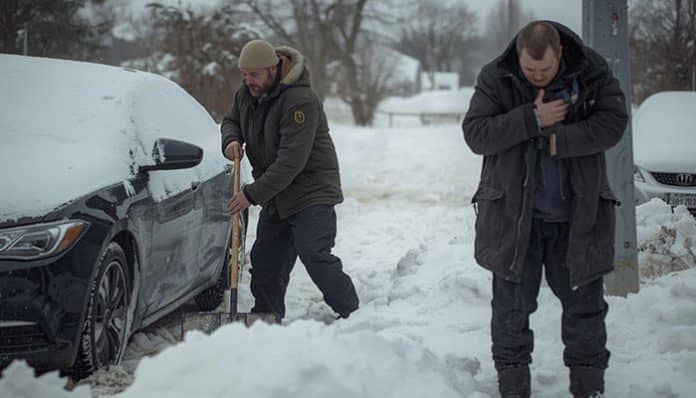

Winter storms have a way of turning everyday routines into physical tests. Clearing snow often feels harmless—just another seasonal task to knock out quickly with snow shovels. Yet many injury stories that land on the desk of a personal injury lawyer in Denver begin with someone assuming a shovel and a few cold hours couldn’t do much damage.
Why Snow Removal Tricks People Into Overdoing It
From the warmth of indoors, shoveling looks manageable. You’ve done it before, you know the routine, and it feels faster to power through than to pace yourself. That sense of familiarity is misleading.
Snow rarely stays light. Once it’s compacted or mixed with ice, each scoop weighs far more than expected. Without warming up or taking breaks, strain builds quickly—often before the body has a chance to signal trouble.
The Muscles You Forget You’re Using
Snow removal calls on muscles that don’t get much attention the rest of the year—bending, twisting, and lifting repeat over and over, especially during heavy storms.
Cold weather makes matters worse. Muscles tighten, joints lose flexibility, and reaction time slows. All of this increases the risk of strains, pulls, and sudden injury.
Common Injuries That Start With a Shovel
Back injuries are among the most frequent. Poor lifting mechanics place stress on the spine, and pain often shows up later that day or the next morning.
Shoulders, elbows, and wrists also take a beating. Repetitive movements can inflame tendons, and small injuries worsen with continued effort.
Why Pain Often Shows Up Later
Cold temperatures can dull sensation. Numbness masks discomfort, encouraging people to push past their limits.
Once you warm up, inflammation sets in. What felt like mild soreness can turn into sharp pain, stiffness, or limited movement by evening.
Heart and Circulation Risks Aren’t Obvious
Shoveling snow can quickly spike heart rate, especially when lifting heavy, wet snow. For some people, this level of exertion is dangerous.
Cold air constricts blood vessels, adding strain to the cardiovascular system. In severe cases, snow removal has triggered medical emergencies with little warning.
When a Simple Chore Costs You Workdays
Minor injuries don’t always feel urgent at first. Overnight, stiffness can intensify, making basic movement difficult.
Pain interferes with focus and physical tasks. Missed workdays pile up, and recovery can take longer than expected.
Why People Ignore Early Warning Signs
Many people feel pressure to finish quickly—before work, before another storm, or before the snow freezes solid. Stopping feels inconvenient.
There’s also pride involved. Asking for help or taking breaks feels unnecessary until the pain becomes unavoidable.
The Wear and Tear Adds Up Over the Season
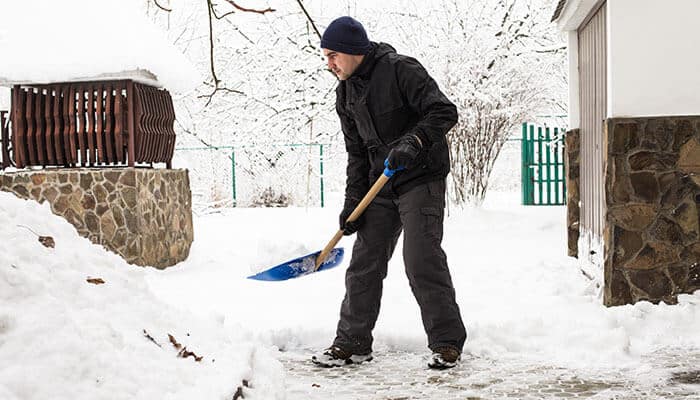
Snow rarely falls once. Storms come back-to-back, giving the body little time to recover.
Small strains compound with each cleanup session. Eventually, the body reaches a breaking point.
Better Technique Reduces Risk
Lifting with the legs instead of the back eases spinal strain. Smaller loads offer better control and stability.
Pushing snow instead of lifting when possible helps. Turning the entire body, rather than twisting at the waist, protects joints.
The Right Tools Matter More Than You Think
Shovel design affects posture and movement. Ergonomic handles reduce bending and awkward angles.
Footwear with proper traction prevents slips. Many injuries happen from sudden falls on ice rather than the shoveling itself.
Knowing When to Stop Is Key
Pain isn’t something to push through—it’s information. Ignoring it often leads to more serious injury.
Stopping early and returning later can prevent long-term damage. Speed is never worth weeks of recovery.
When Injuries Become More Than Physical
Some snow-related injuries happen on shared or poorly maintained property. Icy walkways, uneven surfaces, or delayed snow removal can shift responsibility.
Medical expenses and lost income add stress during recovery. In those situations, speaking with a personal injury lawyer in Denver can help clarify the next steps.
Final Thoughts
Snow cleanup may seem routine, but it carries real risks. What starts as a quick task can quietly turn into weeks of pain, missed work, and ongoing discomfort. Taking precautions—and listening to your body—can make all the difference.