



Anesthesia has transformed modern medicine, allowing complex surgeries to be performed safely and painlessly. Yet, despite advancements, anesthesia errors can and do occur. While such mistakes are relatively rare, their consequences can be severe, ranging from minor complications to life-threatening situations. Understanding common anesthesia errors, their causes, and prevention strategies can help patients and families stay informed and vigilant.
What Is Anesthesia?
Anesthesia is the use of medications to prevent pain during medical procedures. It can be categorized into three main types: general anesthesia, which renders a patient completely unconscious; regional anesthesia, such as spinal or epidural blocks that numb a larger part of the body; and local anesthesia, which numbs a small, specific area. Each type carries unique risks, and errors can occur at any stage—from preoperative preparation to postoperative recovery.
Common Anesthesia Errors
1. Dosage Mistakes
Administering too much or too little anesthesia is one of the most common errors. Overdosing can lead to respiratory depression, low blood pressure, or even cardiac arrest. Underdosing, on the other hand, may cause the patient to regain consciousness during surgery, a traumatic and dangerous experience known as intraoperative awareness.
2. Failure to Review Patient History
Anesthesia errors often occur when a patient’s medical history is not thoroughly reviewed. Allergies, preexisting conditions, or medications can drastically affect how a patient responds to anesthesia. Failure to account for these factors can result in severe reactions or complications during surgery.
3. Equipment Malfunction
Modern anesthesia relies on complex machinery, from ventilators to monitors that track vital signs. Malfunctions, improper calibration, or human errors in operating these devices can lead to insufficient oxygen delivery, heart complications, or other serious issues.
4. Airway Management Errors
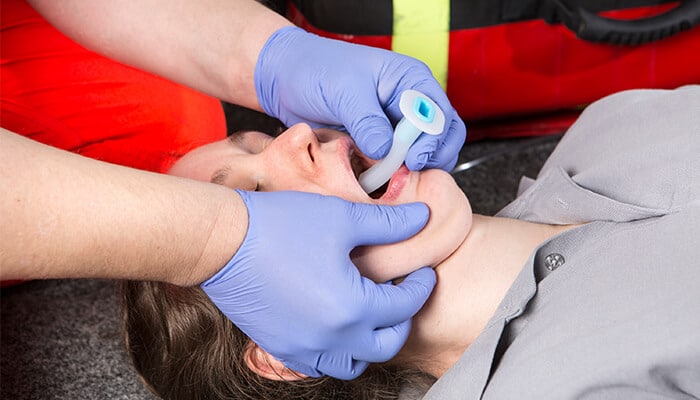
Securing a patient’s airway is critical during general anesthesia. Mistakes, such as improper intubation or failure to recognize a blocked airway, can lead to oxygen deprivation and brain damage if not addressed immediately.
5. Medication Confusion
Anesthesia often involves multiple drugs administered simultaneously. Mixing up medications or administering the wrong drug can trigger dangerous reactions. Clear labeling and strict adherence to protocols are essential to prevent these errors.
6. Postoperative Oversights
Errors aren’t confined to the operating room. Inadequate monitoring during recovery can allow complications like respiratory depression or bleeding to go unnoticed, sometimes with fatal outcomes.
How Are These Errors Prevented?
Hospitals and surgical centers implement rigorous safety measures to minimize anesthesia errors. These include preoperative checklists, cross-checking patient records, monitoring devices, and continuous training for anesthesiologists and nurses. Despite these precautions, mistakes can still occur, particularly in high-pressure environments or when communication breaks down among medical teams.
What Patients Can Do
Patients can reduce the risk of anesthesia errors by taking an active role in their care:
- Disclose your full medical history: Inform your doctor about allergies, medications, previous reactions, and chronic conditions.
- Ask questions: Don’t hesitate to ask your anesthesiologist about the procedure, medications, and monitoring protocols.
- Ensure informed consent: Make sure you understand the risks and confirm that the medical team is aware of your medical background.
- Choose accredited facilities: Hospitals and surgical centers with strict safety standards and trained personnel reduce the likelihood of errors.
Legal Considerations
Unfortunately, when anesthesia errors occur, the consequences can be devastating. In such cases, patients may have legal options. Consulting experienced Utah personal injury lawyers can help determine whether medical negligence contributed to the error and what steps can be taken to secure compensation or accountability.
In Conclusion
Anesthesia is a cornerstone of modern surgery, but it is not without risk. Understanding common anesthesia errors, staying informed, and actively participating in your medical care are essential for minimizing these risks. While hospitals take extensive precautions, patients must remain vigilant and proactive. In the unfortunate event of an error, legal guidance can provide crucial support, ensuring patients and families receive both answers and justice.