


Backing up on an expressway is one of the most dangerous actions a driver can take. Expressways are high-speed, controlled-access roadways, designed to maintain uninterrupted traffic flow. Reversing, even for a short distance, significantly increases the risk of collisions due to the high speed at which other vehicles travel. So, understanding when is it legal to back up on an expressway is crucial, as most traffic laws prohibit it except in very limited circumstances.
So, the general rule is that reversing on expressways is illegal, as it disrupts the flow of traffic and creates serious safety risks. However, there are specific exceptions, such as when law enforcement officers direct you or in emergency situations involving a disabled vehicle.
In this article, we’ll explore when is it legal to back up on an expressway, the traffic laws that govern this action, the associated safety risks, and provide practical advice on how to handle such situations responsibly.
What Is an Expressway?
An expressway is a high-speed, limited-access roadway that allows uninterrupted travel over long distances. Other common names include:
- Freeway
- Motorway
- Interstate Highway (in the U.S.)
- Dual Carriageway (in some countries)
Key characteristics:
- Multiple lanes of travel in each direction
- Limited entry and exit via on-ramps and off-ramps
- No stop signs, traffic lights, or intersections at grade
- Medians or barriers separating directions of traffic
Because of these features, expressways maintain high-speed limits and continuous traffic flow, which creates unique legal and safety considerations. When is it legal to back up on an expressway? This is the core question we are addressing throughout this guide.
General Legal Rule: Backing Up on an Expressway Is Usually Illegal
In almost every jurisdiction, backing up on an expressway is prohibited. The primary reasons are:
1. Safety Risks – High vehicle speeds mean reduced reaction time. A vehicle reversing in a lane dramatically increases the likelihood of severe collisions.
2. Traffic Flow Disruption – Expressways are designed to move vehicles forward efficiently. Backing up interrupts this flow and jeopardizes all road users.
3. Visibility Issues – Drivers behind may not expect stopped or reversing vehicles, especially at high speeds.
Common legal language found in traffic codes:
“No person shall back any vehicle on any portion of a limited-access highway except to obey law enforcement or to avoid conflict with other vehicles.”
This general language applies across many state and national laws, making the baseline rule clear: backing up on an expressway is illegal unless a narrow exception applies. When it comes to when is it legal to back up on an expressway, this baseline rule is typically followed.
When Is It Legal to Back Up on an Expressway: Legal Exceptions
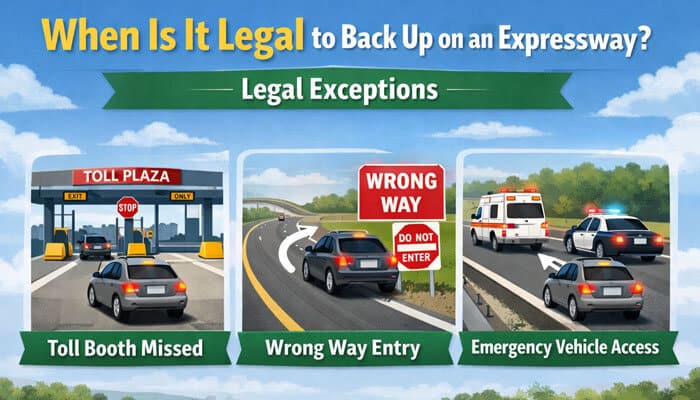
Although it’s widely illegal, there are limited situations where backing up on an expressway can be lawful:
1. When Directed by a Law Enforcement Officer
The most consistent exception in traffic law is when a police officer or authorized traffic official instructs a driver to reverse. This can happen in:
- Controlled accident scenes
- Emergency detour or reroute
- Road closures managed by authorities
In these cases, you must follow the officer’s directions even if they require reversing your vehicle.
Why is this allowed?
Police officers have discretionary authority to manage traffic in emergencies — including temporarily reversing vehicle direction to facilitate safety or traffic flow.
2. Emergency Situations Involving a Disabled Vehicle
Some jurisdictions allow a driver to back up only as far as necessary to move a disabled vehicle to a safe location, such as:
- Emergency lane
- Shoulder
- Breakdown area
However, this is not a general permission to back up arbitrarily — it applies only when:
- Your vehicle becomes incapacitated (engine failure, flat tire)
- You cannot pull forward safely
- You are backing up a very short distance to reach safety
In many regions, laws use language similar to:
“A disabled vehicle may be backed up to the nearest safe location.”
Always check your local code for exact wording and restrictions.
3. Temporary Road Work or Construction Zones
In rare cases, expressway maintenance crews might temporarily close or divert lanes. If designated traffic controllers instruct drivers to back up or reverse into a special work zone under supervision, this is legally permissible only within the work area and under the control of traffic personnel.
This exception does not apply to general traffic — only to controlled lane shifts or closures handled by authorized personnel.
Real-World Case Studies: Accidents Involving Reversing on Highways
Case 1: Fatal Collision in California
In California, a driver mistakenly reversed on the highway after missing an exit. The vehicle was struck by a fast-moving truck, leading to a fatal crash. This tragic incident highlights the risks of reversing on high-speed roads.
Case 2: Legal Case in New York
A driver was sued after causing a multi-car pileup by reversing on an interstate highway. The court ruled that the driver was reckless, as their action interrupted the flow of traffic and led to several vehicle collisions. The incident resulted in both civil damages and criminal charges. This case further exemplifies when is it legal to back up on an expressway and under what circumstances it may be permissible.
Case 3: Reversing on the M25 (UK)
In the UK, a driver on the M25 motorway attempted to reverse after missing an exit. The result was a seven-car collision, leading to severe injuries and significant delays. The driver was charged with reckless driving, and the incident highlighted the risks of misjudging lane changes.
Clarification of “Reversing” vs. “Backing Up”
Though often used interchangeably, reversing and backing up might have different legal interpretations in some regions.
- Reversing typically refers to moving in reverse gear without a clear destination, often in parking lots or on a closed road.
- Backing up usually refers to moving a vehicle in reverse to maneuver or reposition it in an emergency or controlled situation.
When is Reversing Allowed on Expressways?
In some jurisdictions, reversing is only allowed in emergencies, such as when a vehicle is in a dangerous location and cannot move forward. Understanding when is it legal to back up on an expressway can help clarify these situations, especially when law enforcement gives direct instructions.
Use of Technology: Cameras & Parking Assistance
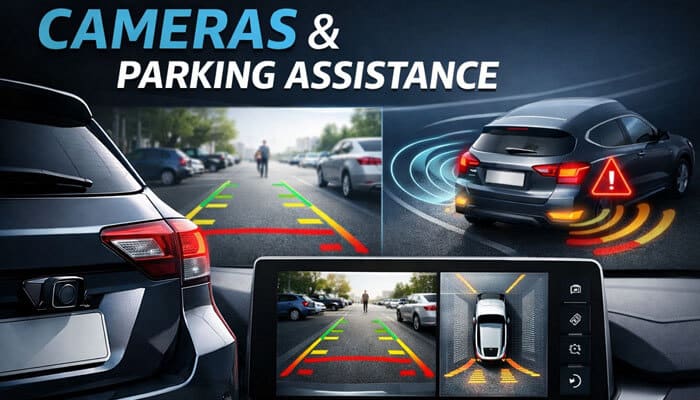
Backup Cameras and Sensors
With modern cars increasingly equipped with backup cameras and sensors, drivers may feel more confident when reversing. However, these technologies should never be relied upon when it comes to high-speed roadways.
Are Backup Cameras Safe for High-Speed Roads?
No. Even with cameras, backing up on expressways is illegal and dangerous because of the high speeds at which other vehicles are traveling. Cameras and sensors only provide limited visibility and do not account for the speed and distance of oncoming vehicles. This is why it’s crucial to understand when is it legal to back up on an expressway and when it’s unsafe to do so.
Alternative Routes & Navigational Apps
If you miss your exit, never attempt to back up. Instead, rely on modern navigational apps like Google Maps, Waze, or Apple Maps to find the next available exit. These apps provide:
- Real-time traffic updates
- Accurate rerouting options
- Alternate routes to help you avoid mistakes without putting yourself at risk. This advice is essential when considering when is it legal to back up on an expressway as it encourages drivers to avoid risky actions.
How Smart Car Tech Can Help
Modern vehicles with GPS, lane assist, and automatic rerouting help prevent situations where you feel tempted to reverse. These technologies guide you toward safer options in case you miss an exit.
Backing Up vs. U-turns
Some drivers might wonder if a U-turn is a safer alternative to backing up on an expressway.
- U-turns on expressways: In most regions, U-turns on expressways are prohibited, unless there is a dedicated U-turn lane or authorized median.
- Legalities of U-turns vs. Reversing: Both maneuvers are illegal on high-speed roads for similar reasons — they disrupt traffic flow and increase the likelihood of accidents.
State-Specific Variations in Expressway Laws
Different states and countries may have slightly different traffic laws regarding expressways. For example:
1. California: It is illegal to reverse on a highway unless directed by police or to avoid imminent danger.
2. United Kingdom: The Highway Code strictly prohibits reversing on motorways, except for emergency situations.
3. Australia: Similar to the U.S. and UK, reversing on freeways is illegal unless under direct police direction.
For exact legal details, consult local traffic codes or your local Department of Motor Vehicles (DMV) website.
Environmental Impacts of Backing Up on Highways
Backing up on expressways not only endangers lives but also has environmental consequences:
1. Increased fuel consumption: Reversing wastes gas, especially when it disrupts the smooth flow of traffic.
2. Higher emissions: Reversing for even short distances at high speeds can increase a vehicle’s carbon footprint.
General Expressway Safety Tips
While this guide focuses on backing up, it’s essential to follow general expressway safety practices:
- Proper Lane Changes: Always signal and check mirrors before changing lanes.
- Safe Speed Limits: Follow posted speed limits and adjust for road conditions.
- Identifying Unsafe Expressways: Watch for signs of road damage or debris.
- Maintain Safe Distance: Always keep a safe distance from vehicles, especially at high speeds.
Conclusion
In almost all cases, it is illegal to back up on an expressway. The only exceptions involve instructions from law enforcement or very limited emergency circumstances. Because of the high speed and continuous traffic flow on expressways, reversing creates serious safety risks. If you miss your exit, continue to the next exit or use legal turnaround options.
To stay safe and comply with traffic laws, it’s important to understand when is it legal to back up on an expressway and to practice responsible driving. If you miss an exit, always continue to the next one or find a legal turnaround option. By adhering to these laws, you can help prevent accidents and ensure your safety on high-speed roads.
When is it Legal to Back Up on an Expressway: FAQs
1. When is it legal to back up on an expressway?
In most cases, backing up on an expressway is illegal. However, it may be allowed in emergency situations or when directed by law enforcement to avoid danger, assist in an accident scene, or navigate road closures.
2. Can I back up on an expressway if I miss my exit?
No, you should never attempt to back up on an expressway if you miss your exit. Instead, use navigational apps like Google Maps or Waze to find the next available exit and avoid disrupting traffic.
3. What should I do if my vehicle becomes disabled on an expressway?
If your vehicle is disabled, you may be allowed to back up to a safe location like the shoulder or emergency lane, but only if it’s necessary and follows local traffic laws.
4. Are there any exceptions to the rule of not backing up on expressways?
Yes, exceptions include being directed by law enforcement officers, in emergencies, or under supervision in construction zones when authorized personnel instruct drivers to reverse.
5. Can I perform a U-turn instead of backing up on an expressway?
No, U-turns are usually prohibited on expressways unless there’s a dedicated lane or authorized median, as both backing up and U-turns disrupt traffic flow and create risks.
Disclaimer: This article provides general information and should not be considered legal advice. Traffic laws may vary by jurisdiction, so always consult local regulations or a legal professional for specific guidance.