

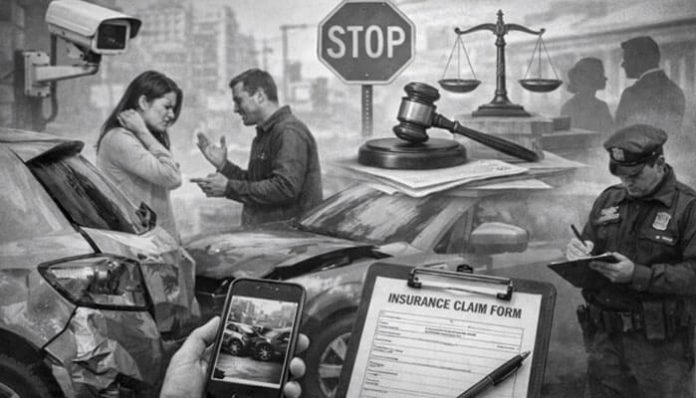

Most drivers have experienced it. A quick tap at a traffic light. A small bump in a parking lot. Both drivers step out, look at the vehicles, and decide the damage seems minor. Many people shake hands and drive away thinking the situation is over.
But what feels like a small incident in the moment can quietly grow into a serious legal dispute weeks or months later.
Across the United States, thousands of accident claims begin with what drivers first describe as “just a scratch,” but what initially appears minor can quickly become more complicated, proving that keeping injury cases straightforward is rarely as simple as it seems.
Why Small Accidents Often Become Big Problems
Insurance industry research shows that low speed crashes can still produce significant injuries. According to data from the Insurance Institute for Highway Safety, soft tissue injuries like whiplash occur in a large percentage of rear end collisions even when visible damage is limited.
Here is where the legal issues start.
What looked like a harmless bump may later involve:
- Delayed injury symptoms
• Disagreements about who caused the crash
• Conflicting insurance reports
• Unexpected repair costs
• Lost wages from medical treatment
A driver who initially says “I’m fine” may visit a doctor days later after neck pain appears. Suddenly the other driver may face an injury claim they never expected.
A Real World Scenario Many Drivers Face
Consider a common example.
Two cars collide at a four way intersection. Both drivers believe they entered the intersection at the same time. There are no serious injuries at the scene and the cars appear drivable.
A week later one driver files an insurance claim alleging the other ran the stop sign.
Now the situation depends on evidence. Without strong proof, the case can turn into a dispute involving insurance adjusters, investigators, and sometimes attorneys.
The Role of Evidence in Car Accident Disputes

When liability becomes unclear, evidence becomes the deciding factor.
Important evidence often includes:
- Photos from the crash scene
• Dashcam footage or nearby surveillance cameras
• Police accident reports
• Witness statements
• Vehicle damage patterns
• Medical documentation
Something as simple as a photo taken on your phone can later prove who had the right of way.
Many drivers underestimate how valuable documentation can be during the first few minutes after a crash.
Compensation Issues That Complicate “Minor” Accidents
Even accidents with modest vehicle damage can lead to larger financial claims.
Typical compensation categories include:
- Medical expenses
• Physical therapy costs
• Lost income from missed work
• Pain and suffering
• Vehicle repair or replacement
In major cities like New York, where traffic density is high and medical costs are expensive, claims can escalate quickly. This is why experienced New York Auto Accident Lawyers are often consulted when insurance negotiations stall or when fault becomes heavily contested.
When Legal Guidance Becomes Important
Not every accident requires a lawyer. However, disputes often become complicated when injuries are involved or when insurers disagree about liability.
Legal professionals can help drivers:
- Understand insurance settlement offers
• Protect themselves from unfair fault accusations
• Collect and preserve evidence
• Calculate the full value of damages
Some well known firms, such as Fuchsberg Law Firm, have handled complex accident cases where seemingly routine crashes later revealed serious injuries or disputed liability.
Street Smart Advice After Any Accident
- Even if the accident feels minor, taking the right steps can prevent bigger problems later.
- Smart drivers typically follow these steps:
- Take photos of vehicles, road conditions, and traffic signs.
- Exchange full contact and insurance information.
- Speak with any witnesses nearby.
- File a police report if possible.
- Seek medical evaluation even for mild pain.
- These simple actions can protect you if a claim arises weeks later.
The Hidden Lesson Behind Everyday Crashes
Minor accidents often create a false sense of closure. Drivers leave the scene assuming the situation is settled, but in cases involving Self-Driving Car Accidents, the legal and technical complexities may only begin after the crash.
In reality, the legal and financial consequences sometimes appear much later.
The lesson is simple. Treat every accident seriously, even when the damage looks small. Careful documentation, medical awareness, and informed legal guidance can make the difference between a manageable claim and a prolonged legal fight.