

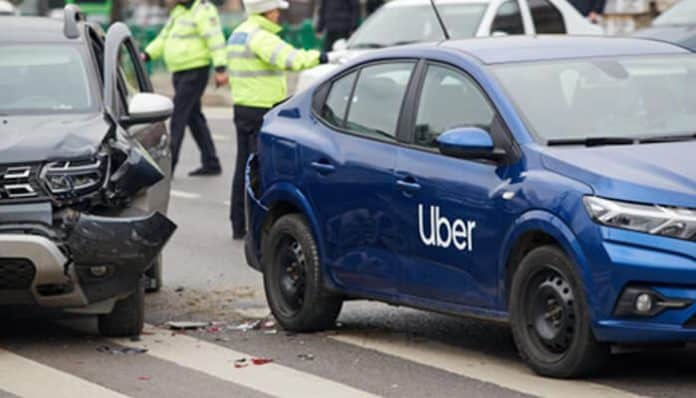

Los Angeles has a high number of daily commutes because of tourism and a busy nightlife. This means hundreds of Uber and Lyft rideshare trips day and night. The more the rides, the higher the chances of a collision. Often leading to Uber and Lyft accident claims. Many injured riders, drivers, and pedestrians seek the help of a Los Angeles Uber accident lawyer to understand how California handles these claims and what compensation might be available.
What’s Different in Rideshare Claims?
Uber and Lyft drivers use their own vehicles but work on a business platform. As a result of this hybrid structure, California law requires rideshare companies to have special insurance coverage. This coverage applies differently depending on the status of the driver during the accident. California separates rideshare driving into distinct phases that determine which insurance applies:
- App Off: The driver’s personal insurance applies.
- App On, No Ride Accepted: The transportation network company provides limited liability coverage.
- Ride Accepted or Passenger in Car: Uber or Lyft provides the highest level of coverage, including $1 million in liability insurance.
Knowing which phase the driver was operating under helps determine who pays for the injuries.
What Compensation Can Victims Seek?
California law provides the victim with an opportunity to seek damages in case someone else’s negligence caused a crash. Compensation may be available both for financial losses and losses of a non-financial nature. Types of recoverable damages include:
- Medical expenses
- Lost income
- Loss of earning capacity
- Property damage
- Pain and suffering
- Emotional upset
California does not cap damages in rideshare accident cases, except in certain medical malpractice claims.
Who Can File an Uber or Lyft Accident Claim?
 Depending on how the accident occurred, several groups of individuals might have a valid claim.
- Riders of rideshare services who are injured on a trip
- Drivers hit by a rideshare vehicle
- Pedestrians or bicyclists hit by a rideshare driver
- Rideshare drivers injured by another at-fault driver
Different types of cases may involve different insurance policies and legal rules.
How Is Fault Determined in California?
California follows a pure comparative negligence system. The implication is that both parties could potentially recover damages, even if partially responsible. The percentage of fault reduces compensation to the victim. Evidence used to establish liability includes police reports, traffic-camera footage, app data on whether the driver was logged in, witness statements, vehicle damage analysis, and medical records.
What Steps Should Someone Take After a Rideshare Accident?
Taking the right steps can help protect health and strengthen any legal claim. Get medical care right away because some injuries are not immediately obvious. Report the crash to law enforcement. A police report helps document key facts. Document the scene through photos and videos, and get witness contacts. Report the crash in the Uber or Lyft app to help confirm the ride status. Keep records like medical bills, repair estimates, and screenshots of the ride details. These steps support both insurance claims and any later legal action.
Final Thoughts
- California uses a three-period system to determine which insurance policy applies.
- Victims may recover medical bills, lost income, pain and suffering, and more.
- App data, reports, and witness statements help determine how the crash happened.
- California’s pure comparative negligence system allows recovery even if the victim is partly at fault.