

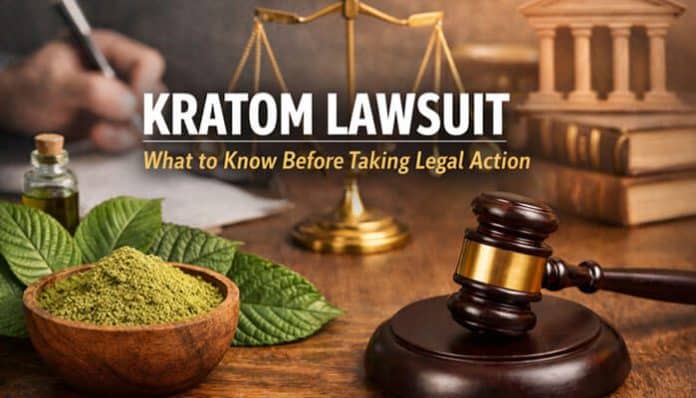

Kratom, a natural substance derived from the Mitragyna speciosa plant, has gained popularity in recent years for its potential to alleviate pain and symptoms of opioid withdrawal. However, its rise in use has also brought about legal challenges, including lawsuits. If you’re considering a Kratom lawsuit or simply want to understand the legal implications of using or selling Kratom,
This article will guide you through the potential legal claims, the lawsuit process, and how to seek compensation.
What Is Kratom?
Kratom is a tropical tree native to Southeast Asia, with leaves that are often used for their stimulant or sedative effects, depending on the dosage. While kratom has a reputation for helping manage chronic pain and anxiety, its safety and legal status are hotly debated. The U.S. Drug Enforcement Administration (DEA) has considered classifying it as a controlled substance, but as of now, kratom remains legal in most states.
Why Are People Filing Kratom Lawsuits?
Lawsuits related to kratom primarily stem from concerns about its safety and the adverse effects some users experience. Despite its benefits for many, kratom has been linked to serious side effects such as:
- Addiction: Kratom has stimulant properties that can lead to dependence with prolonged use.
- Severe Health Issues: Some users have experienced severe side effects like nausea, seizures, and liver damage.
- Deaths: The FDA has warned about kratom’s role in a number of deaths, especially when taken with other substances.
These risks, coupled with unregulated manufacturing practices, have led some users and families to file lawsuits against kratom manufacturers, distributors, and sellers.
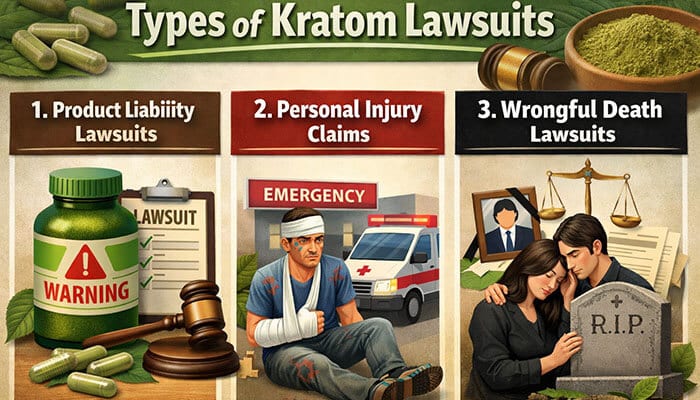
Types of Kratom Lawsuits
1. Product Liability Lawsuits
One of the most common types of Kratom lawsuits involves product liability claims. In these cases, individuals may sue manufacturers for failing to warn consumers about the potential risks of using Kratom. For example, if a batch of Kratom is contaminated or contains higher levels of mitragynine (the active compound) than advertised, consumers may be at risk of serious health issues.
2. Personal Injury Claims
Some lawsuits involve individuals who suffer injuries as a direct result of using kratom. These personal injury claims could involve cases where users experience negative side effects like organ damage or mental health issues after taking the substance. Victims may seek compensation for medical bills, lost wages, pain and suffering, and more.
3. Wrongful Death Lawsuits
In tragic cases where individuals have died after using kratom, wrongful death lawsuits may be filed. Families of the deceased may seek compensation for their loss, including funeral expenses, loss of income, and emotional distress.
The Legal Landscape of Kratom in the U.S.
The legal status of kratom in the United States varies from state to state. While it is still legal in many areas, a few states have imposed restrictions or bans due to safety concerns. As more individuals report adverse health effects, government authorities have started paying more attention to kratom’s potential dangers.
States Where Kratom is Legal:
- California
- Florida
- Texas
- New York
States Where Kratom is Banned:
- Alabama
- Arkansas
- Indiana
- Wisconsin
It’s important to research the kratom laws specific to your state before purchasing or using the substance.
Who Is Eligible to File a Kratom Lawsuit?
Individuals who have experienced severe side effects after using kratom may be eligible to file a lawsuit. This includes those who:
- Used Kratom regularly or in large doses
- Experienced addiction, liver damage, or other serious health issues
- Had their health been affected by Kratom without sufficient warning from manufacturers
If you or someone you know has suffered from adverse effects related to kratom, it’s important to consult with an attorney who specializes in kratom lawsuits to assess your legal options.
How to File a Kratom Lawsuit
If you or a loved one has been harmed by Kratom, you might be considering filing a lawsuit. Here’s a brief overview of the steps involved:
1. Consult a Lawyer
The first step in pursuing a Kratom lawsuit is consulting with a lawyer experienced in personal injury or product liability cases. A lawyer can help assess whether you have a valid claim and guide you through the legal process.
2. Collect Evidence
To strengthen your case, you will need to gather evidence. This might include medical records, product packaging, witness statements, or any other relevant documentation.
3. File the Lawsuit
Once your lawyer has reviewed the evidence, they will file the lawsuit on your behalf. This involves submitting legal paperwork to the court and notifying the defendant (the party being sued).
4. Negotiation and Settlement
Many lawsuits are settled out of court. However, if the case proceeds to trial, both parties will present their arguments before a judge or jury.
Do You Need a Lawyer for a Kratom Lawsuit?

While it’s possible to file a lawsuit without a lawyer, hiring an experienced attorney significantly increases your chances of success. Lawyers who specialize in kratom lawsuits understand the complexities of such cases and can help navigate the legal process.
Why You Should Hire a Lawyer:
- Expertise in Kratom-related claims
- Help with gathering and presenting evidence
- Negotiating settlements and working on your behalf during the trial
How Much Compensation Can You Expect from a Kratom Lawsuit?
The amount of compensation in a kratom lawsuit varies depending on the severity of the injuries, the evidence presented, and whether the case is settled or goes to trial. Compensation can cover:
- Medical Expenses: This includes both past and future medical bills for treatment resulting from Kratom-related injuries.
- Lost Wages: Compensation for time missed from work due to health complications.
- Pain and Suffering: Compensation for the physical and emotional pain experienced.
- Punitive Damages: In cases where the defendant is found guilty of gross negligence, additional punitive damages may be awarded to punish the wrongdoer.
Common Questions About Kratom Lawsuits
1. How do I know if I have a case?
Ans: If you have experienced severe health issues such as liver damage or addiction due to kratom use, consult with a lawyer. They will help assess if you have a valid claim.
2. Can I file a kratom lawsuit without a lawyer?
Ans: While it is possible, it is highly recommended to have legal representation. A lawyer will guide you through the complex process and improve your chances of a successful outcome.
3. How long do I have to file a kratom lawsuit?
Ans: The statute of limitations is typically 2-3 years from injury or discovery. Consult a lawyer for specific details.
Conclusion
The kratom lawsuit may offer relief for some, but it is not without its risks. As its use grows, so do the legal challenges surrounding it. If you have suffered from kratom’s adverse effects or believe you have a case, consulting with a legal expert is crucial. By understanding the risks and legal implications, you can make informed decisions about kratom usage and take action if necessary.
Disclaimer: This article provides general legal information and is not intended to be legal advice. If you believe you have a case, please consult a qualified attorney for guidance on your specific situation.