

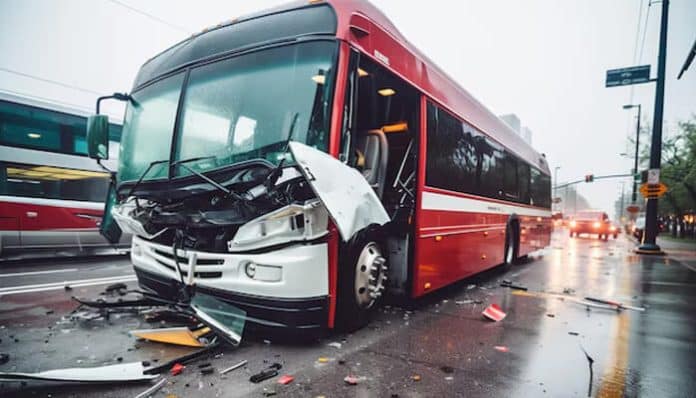

Not every serious bus injury comes from a dramatic crash. Non-Collision bus injuries often affect passengers during routine rides when something suddenly goes wrong, and these moments often go unnoticed by officials. A bus accident lawyer frequently learns of these incidents only after medical issues surface.
What Is a Non-Collision Bus Incident
A non-collision bus incident occurs when no vehicles collide, yet passengers still get injured. Examples include hard braking, sharp swerving, or hitting a curb at speed. These events can feel minor to a driver but violent to someone standing or seated without restraints.
How Sudden Braking Causes Harm
When a bus stops hard, people get jolted forward before they can react. Anyone standing can be knocked off balance, and even seated passengers can hit the seat in front of them or the nearest pole. That split second can lead to neck pain, sprained wrists, or a painful bump to the head.
Injuries Linked to Hard Braking
Neck strains and shoulder pain often result from sudden forward motion. Wrists and hands are also vulnerable as people instinctively try to catch themselves. Head injuries can occur when balance is lost in crowded conditions.
The Danger of Sudden Swerves
Swerving to avoid traffic or pedestrians can create intense side forces inside the bus. Passengers may be tossed into aisles, other riders, or interior walls. These movements often lead to shoulder injuries, spinal strain, and painful bruising.
Curb Strikes and Uneven Roads
A bus can take a brutal hit when it clips a curb or drops into a deep pothole. The bump often pops people up off their seats and then slams them back down. After a jolt like that, lower back pain and tailbone soreness are common complaints.
Standing Passengers Face Higher Risk

Many buses allow riders to stand during busy routes. Without seat belts or solid support, standing passengers rely solely on their balance. Sudden movements can quickly turn a routine ride into a dangerous situation.
Why These Injuries Are Often Underreported
Many riders figure it is not worth reporting anything if there was no obvious crash. Others are trying to get to work or school on time, so they brush off aches that seem small in the moment. When there is no police report and no visible damage to the bus, the incident often slips through the cracks.
Delayed Symptoms Make Reporting Harder
A lot of injuries do not show up right away, especially strains and sprains. Stiffness, headaches, or tingling can start later that day or even a few days afterward. Once time has passed, it can be harder to pinpoint the exact moment on the ride when things went wrong.
The Role of Driver Awareness and Training
Drivers may not realize how aggressive maneuvers affect riders on board. Schedules, traffic pressure, and fatigue can influence driving decisions. Better training and realistic route expectations can reduce the need for sudden movements.
Why Documentation Still Matters
Even if the bus never hits anything, it is still worth making a record of what happened. Getting checked by a doctor, writing down what you remember, and collecting contact details from witnesses can make a big difference later. A clear paper trail protects the injured rider and helps transit agencies spot patterns that need to be fixed.
The Lawyer’s Role in a Non-collision Bus Accident
A lawyer plays an important role when someone is hurt on a bus, even though no crash occurred. They help gather medical records, witness accounts, and transit documentation to connect the injury to what happened during the ride. By handling communication with transit authorities and insurers, a lawyer allows the injured passenger to focus on recovery while making sure their situation is taken seriously.
Final Thoughts
Non-collision bus incidents can change lives just as much as major crashes. Understanding these injuries helps passengers take their pain seriously and seek care. A bus accident lawyer can help clarify options when injuries are ignored or dismissed.